
Epigraph “To cultivate a garden is to walk slowly into the future.” — anonymous proverb, passed hand to hand
I. The Garden as an Argument Against Despair
A garden is not a hobby. It is a worldview enacted in soil. Every time you kneel to weed or water, you’re making a quiet but unmistakable claim about what kind of world you believe is possible. In an era when political life is dominated by speed, outrage, and the illusion of instant solutions, the garden insists on slower truths. It teaches that change is seasonal, incremental, and often invisible until suddenly it isn’t.
This is not withdrawal. It is discipline. The gardener learns to trust processes that unfold beyond their control and to intervene only when intervention is timely and wise. That is political wisdom in its most grounded form.
II. Interdependence as a Political Practice
Nothing in a garden thrives alone. Soil is a community. Water is a negotiation. Pollinators are collaborators. The gardener becomes a steward of relationships rather than a commander of outcomes.
This stands in direct contrast to the extractive logic that shapes so much of our public life—the corporate fantasy that the world is raw material for human ambition. In the garden, ambition is replaced by reciprocity. You give care, and the world gives back, but never exactly how or when you expect. That unpredictability is humbling. It’s also liberating. It trains you to see political life not as a battlefield of competing wills but as a web of mutual dependencies that require tending.
A garden is a small-scale rehearsal of the civic imagination: a place where cooperation, patience, and shared flourishing are not abstractions but daily practice.
III. Philosophy With Dirt Under the Fingernails
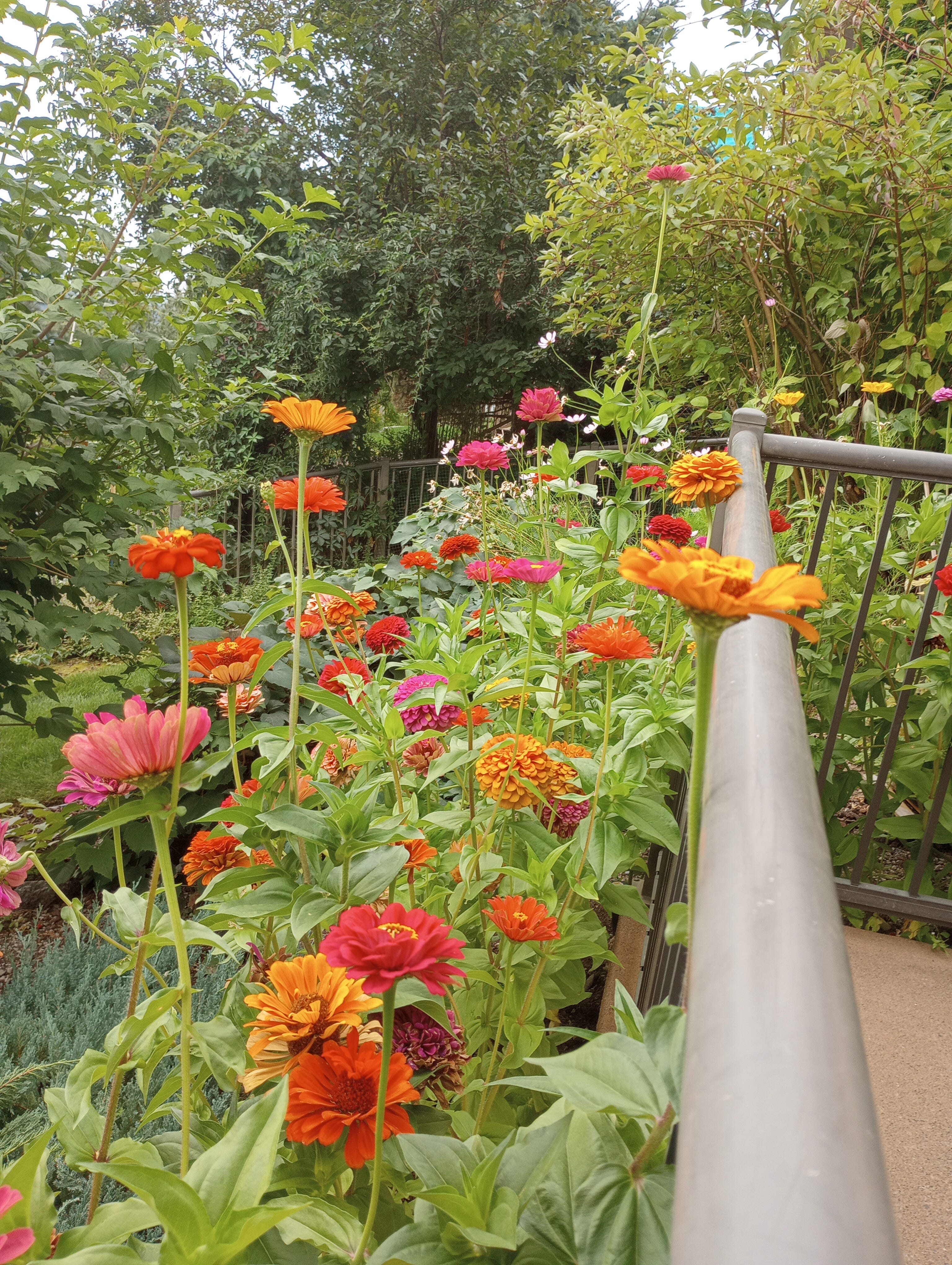
Gardening is philosophy made tactile. You prune a branch and feel the weight of choosing what lives and what doesn’t. You water a wilting plant and feel the relief of small, timely kindness. You watch a volunteer sunflower appear where you never planted it and remember that not all good things are planned.
Justice, compassion, autonomy, community—these are not distant ideals but embodied actions. The garden becomes a classroom for humility, attention, gratitude, and stewardship. It reminds you that the virtues you write about are not merely intellectual positions; they are habits of care enacted in real time.
IV. The Garden as Refusal
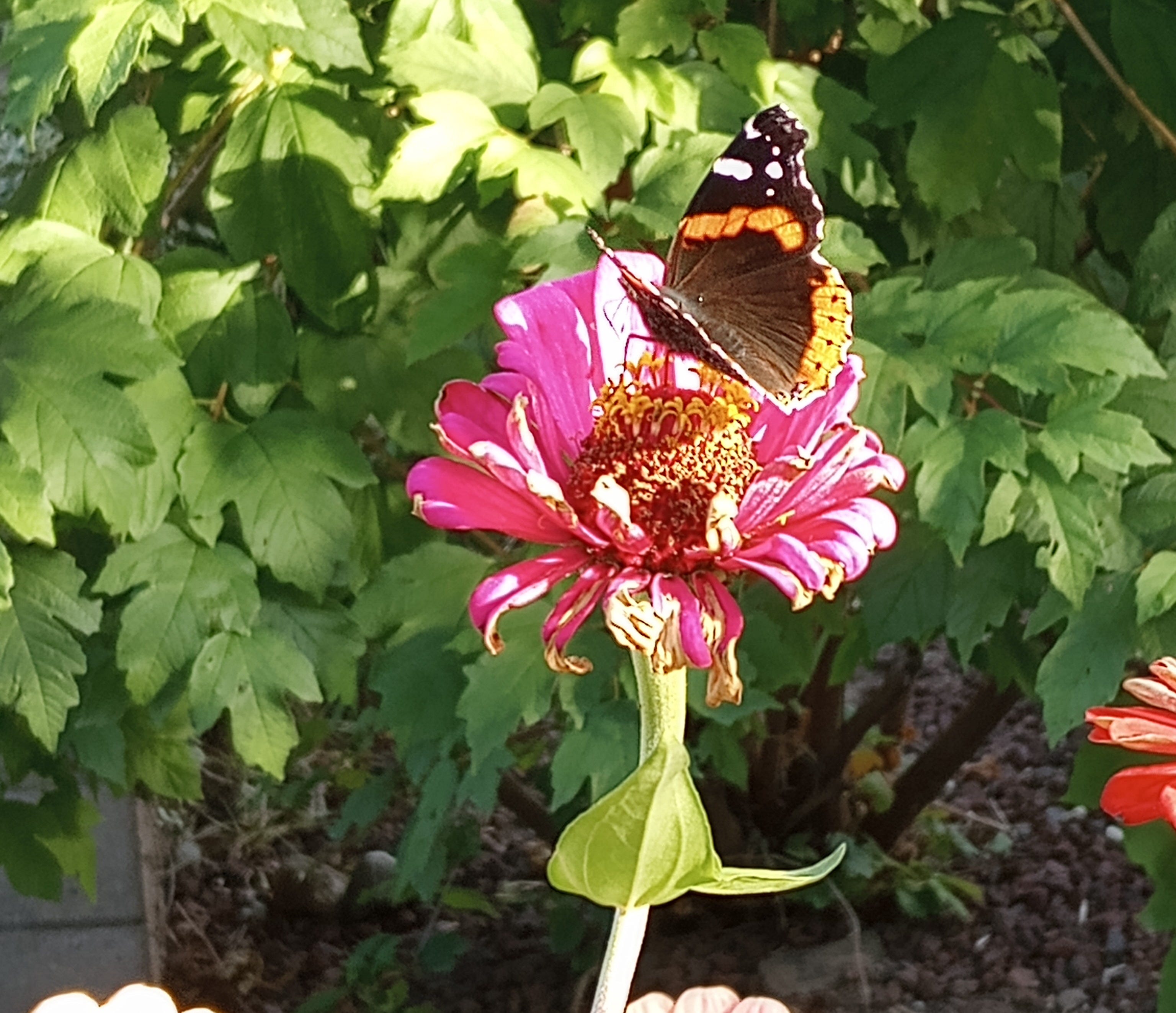
A garden refuses cynicism. It refuses the idea that only large-scale, institutional actions matter. It refuses the despair that insists everything is too broken to mend. A garden is small, yes, but it is not trivial. It is a declaration that care is worthwhile even when it is local, even when it is quiet, even when it is unseen by anyone but you and the chickadee perched on the side of the birdbath, looking at you nervously between sips of fresh water.
In this way, gardening is a political act rooted in soil rather than slogans, and a philosophical act rooted in practice rather than abstraction.
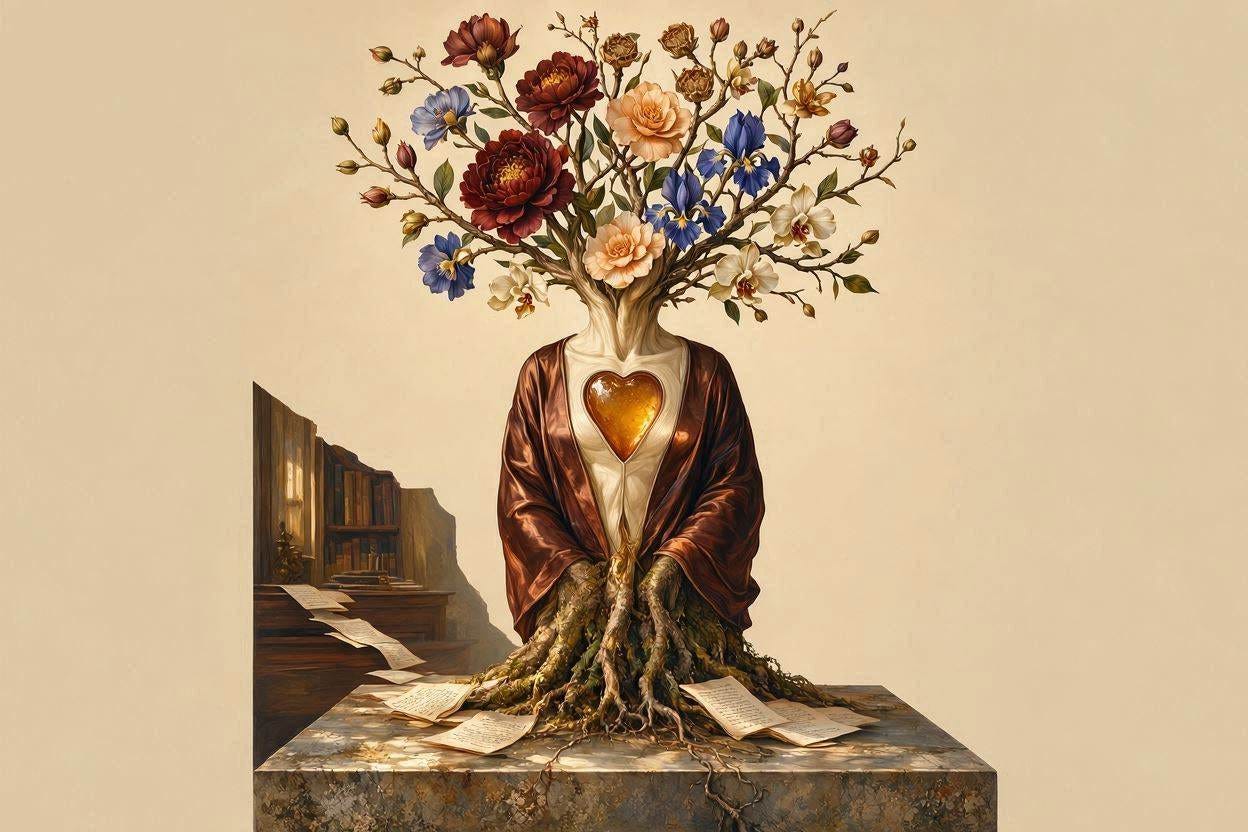
Art by AI image creator
V. A Necessary Caution: The Limits of Symbolism
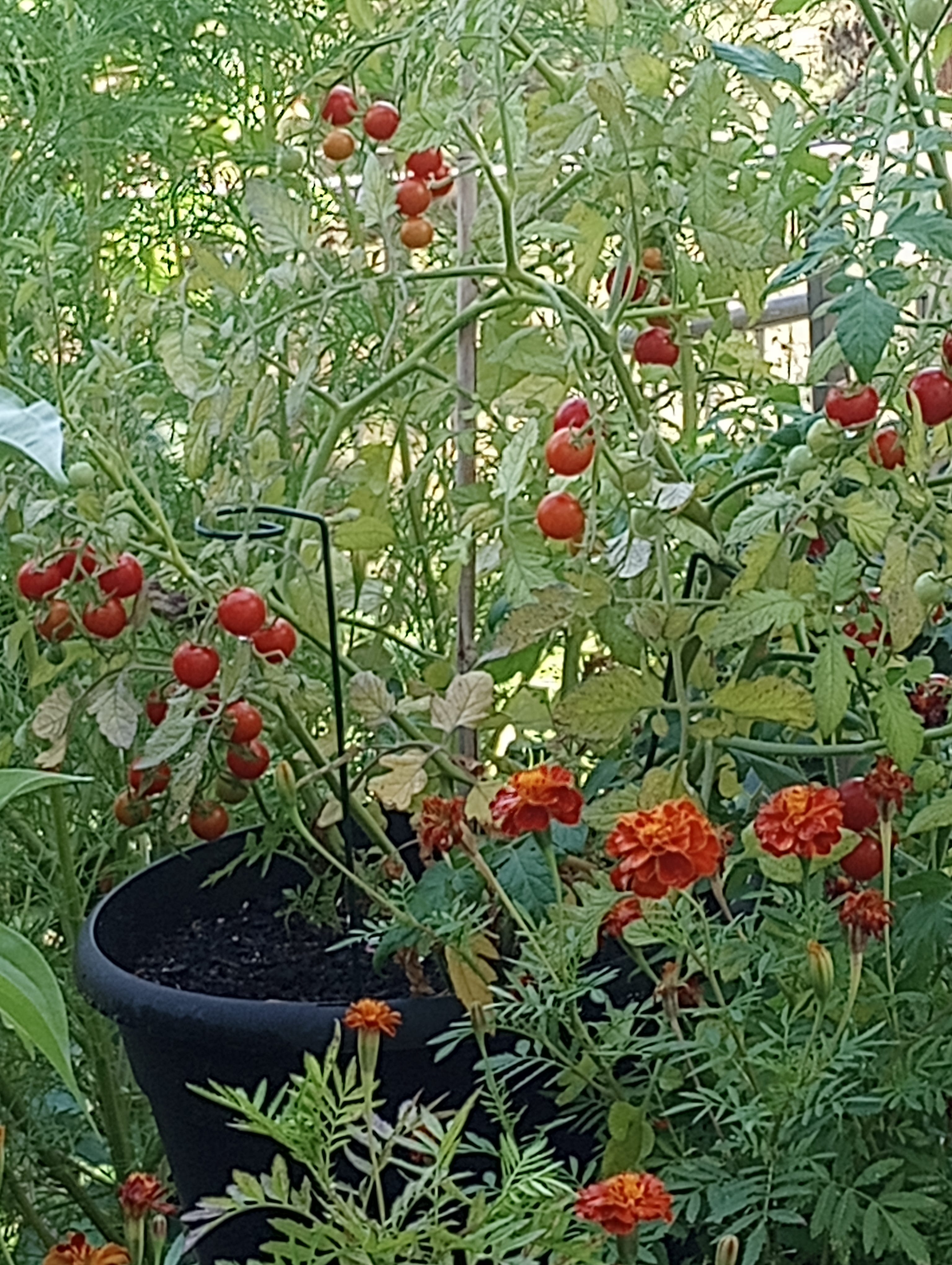
Still, there is a danger in making the garden carry too much symbolic weight. Gardening is not magic. It does not automatically confer virtue, clarity, or political purity. The tomato plant does not care about your moral commitments. The cosmos blooming by the fence is not a spiritual endorsement. If we overburden the garden with meaning, we risk turning it into a kind of personal mythology—an escape hatch rather than a practice.
Symbolism becomes limiting when it replaces attention. When we treat the garden as a metaphor instead of a living system, we stop seeing what is actually happening: the soil drying out, the aphids gathering, the slow recovery of a plant we thought was lost. The real garden is more demanding and more honest than the symbolic one. It asks for presence, not projection.
And politically, over-symbolizing the garden can slide into a comfortable illusion that private virtue is enough. It isn’t. A garden can teach patience, reciprocity, and care, but it cannot substitute for the hard, collective work of shaping institutions, resisting injustice, or imagining new civic structures. The garden is a rehearsal, not the performance.
To keep the symbolism honest, we have to let the garden be what it is: a small, stubborn patch of life that responds to weather, soil, and time—not to our narratives.
Closing Reflection
To keep a garden is to keep faith with the future. To nurture living things is to nurture the possibility that our political and philosophical commitments—kindness, justice, reciprocity, attention—can be lived rather than merely argued. The compatibility between gardening and a positive, nurturing approach to life is complete because both are forms of cultivation. Both ask you to imagine a better world and then enact that imagination through sustained, patient, imperfect effort.
A garden is not an escape from the world’s troubles. It is a rehearsal for how to meet them.
But the garden’s meaning remains grounded only when we resist the temptation to mythologize it. Its lessons are real precisely because they are limited. They arise from the stubborn materiality of soil, water, and time. The garden is not an escape from the world’s troubles. It is a rehearsal for how to meet them—with care, with patience, with attention, and with a commitment to nurture what is fragile and protect what is growing.
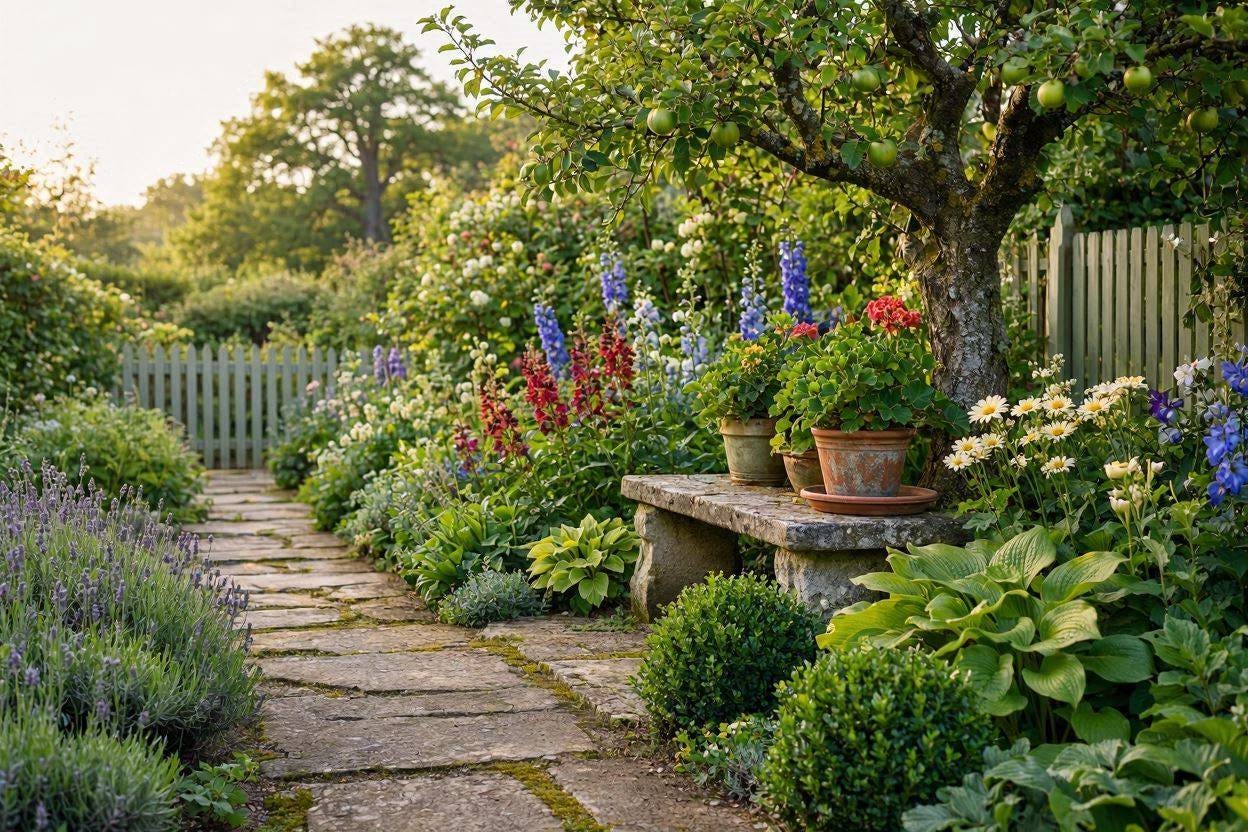
AI Image creator
“To cultivate a garden is to walk slowly into the future.”