

At its core, the fight over birthright citizenship is not really about constitutional interpretation, border management, or administrative policy. Those are the surface‑level arguments. The subterranean argument—the one people rarely name aloud—is about whether citizenship status can be used as a proxy for degrees of humanity.
Once you see that, the moral stakes become unmistakable.
🧨 Why tying humanity to citizenship is ethically catastrophic
🟣 1. It treats human worth as conditional
If your humanity depends on a legal category, then humanity becomes something that can be granted, withheld, or revoked. That is the logic of caste systems, apartheid, and every form of exclusionary nationalism.
A human being becomes:
“fully human” if they belong
“less human” if they don’t
“non‑human” if they are outside the circle entirely
This is the moral architecture of racism, even when the rhetoric is sanitized.
🟣 2. It replaces moral equality with bureaucratic hierarchy
Birthright citizenship is, at bottom, an accident of geography. To treat that accident as morally determinative is to say:
Where you were born matters more than what you are.
Your legal status matters more than your interior life.
Your paperwork matters more than your personhood.
That is a profound ethical error. It collapses the universal dignity of persons into a paperwork‑based caste system.
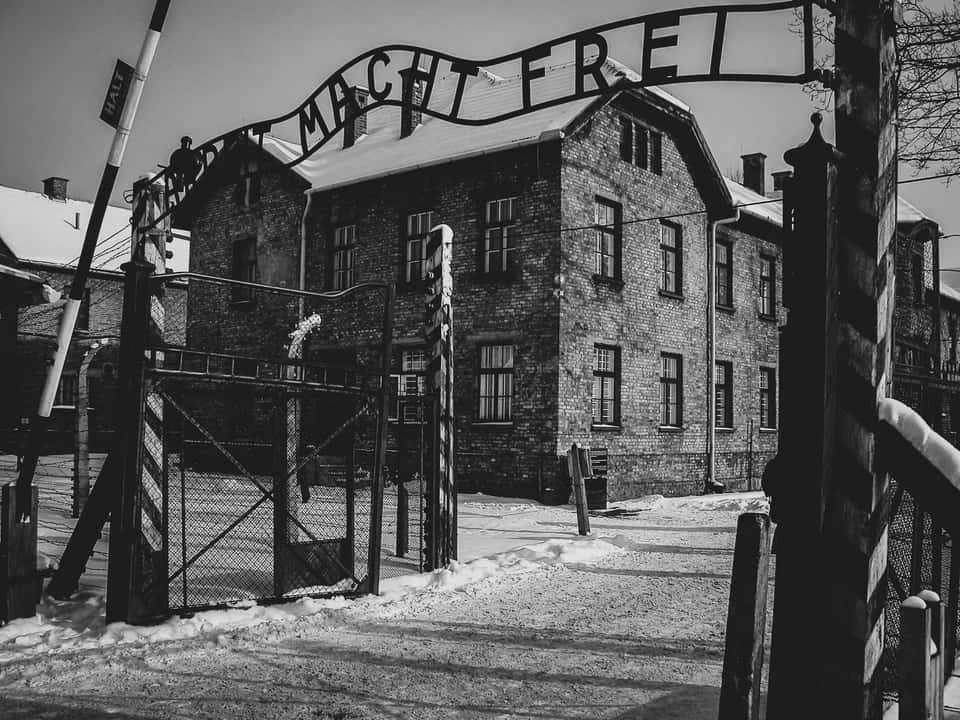
🟣 3. It allows cruelty to masquerade as policy
Once a society accepts the premise that some people are “less entitled to rights,” cruelty becomes administratively justified. Detention, family separation, deportation, exclusion—these become “tools,” not moral failures.
The logic is chillingly simple:
If they are not fully “us,” then what happens to them doesn’t fully matter.
This is how democracies drift into moral numbness.
🧩 The racial subtext: who is imagined as “belonging”
Arguments against birthright citizenship almost always carry an unspoken racial coding. The anxiety is not about Canadians or Australians having babies in the U.S. It is about brown and Black bodies—Latinx, African, Asian, Middle Eastern—being imagined as demographic threats.
The debate becomes a way of laundering racial fear through legal language.
“Anchor babies”
“Invasion”
“Replacement”
These are not policy terms. They are dehumanizing metaphors that treat certain populations as contaminants rather than as people.
🧠 The philosophical bottom line
To deny birthright citizenship is to assert that:
some children are born with fewer rights,
some families are less deserving of protection,
some lives are less grievable,
and some human beings are morally optional.
This is not a neutral policy stance. It is a worldview that divides humanity into tiers.
And any worldview that stratifies humanity is, by definition, immoral.
🌎 A cosmopolitan counter‑vision
A more ethically coherent stance begins with a simple premise:
Human dignity precedes citizenship.
Human rights precede borders.
Human worth precedes legal status.
Citizenship can organize a political community, but it cannot determine the value of a human life. When a society forgets this, it begins to lose its moral imagination.