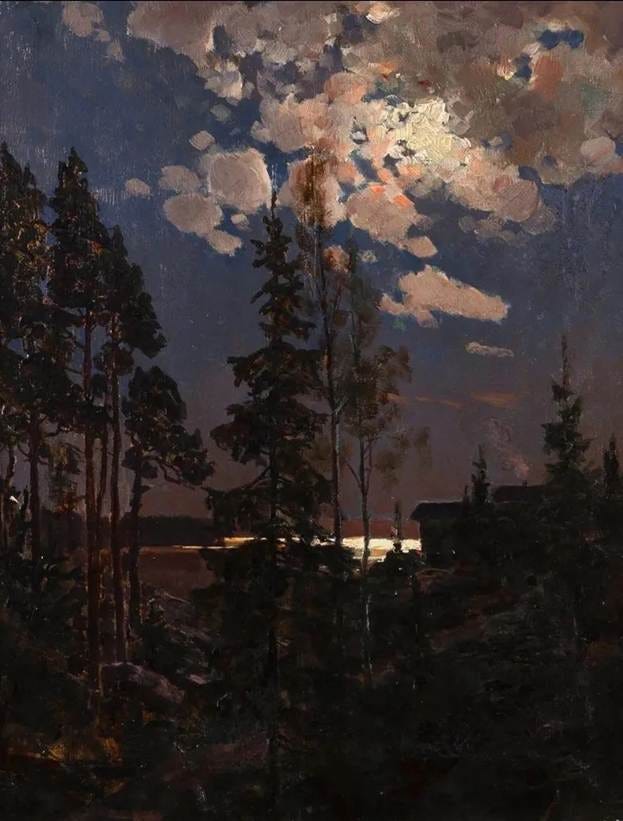
Epigraph “Attention is a form of love; what we choose to look at becomes a quiet vote for the world we want.”
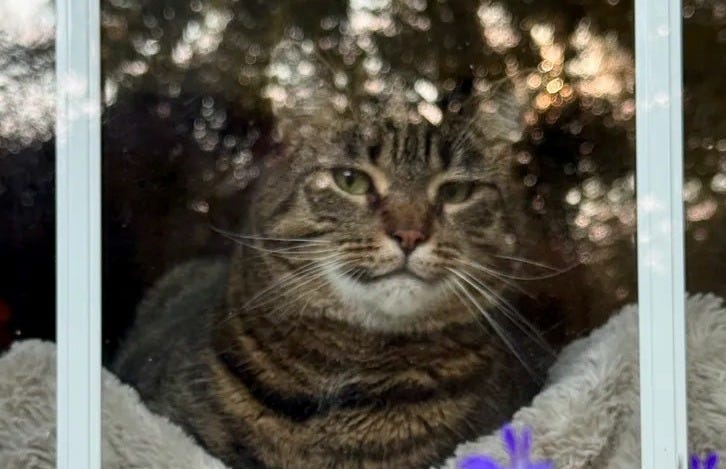
What strikes one about the ContempraInn Bluesky feed is how insistently it refuses cynicism. The posts—travel vistas, animals, architecture, small curiosities of craft, moments of delight—form a kind of ongoing devotional practice to noticing. In a digital landscape dominated by outrage, branding, and algorithmic agitation, his stream of images and short videos feels like someone opening the curtains each morning and saying, Look, the world is still beautiful, still strange, still worth attending to. That gesture aligns almost uncannily with the mission of the Trueman/Triola, which has always been about cultivating ethical imagination through attention, humility, and the refusal of spectacle.
His site and videos enact a civic ethic without ever naming it. They model a way of being online that is generous rather than extractive, curious rather than performative, and rooted in the belief that ordinary people deserve access to beauty and knowledge. Even the commercial dimension—the inn near the New Orleans airport—doesn’t cheapen the feed; instead, it underscores a democratic impulse: beauty is not the property of elites, nor is wonder reserved for those with cultural capital. A modest innkeeper can be a curator of global marvels. That’s a Trueman/Triola value: the dignity of ordinary lives, the refusal to collapse art or attention into corporate spectacle, the belief that influence can be ethical when it expands interior freedom rather than constricts it.
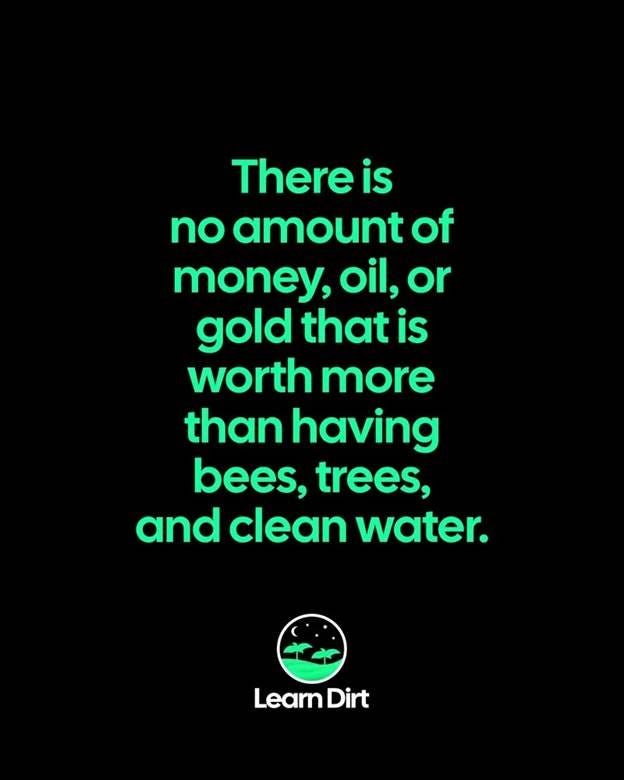
There is also a subtle seriality in his practice. The steady rhythm of posts—Lisbon, a raccoon in Seattle, a woodworking technique, a Medici fountain, a hamster’s empathy—creates a collage of the world that resists narrative closure. It’s a collage in the OLAMBRILLAS sense: anti-corporate, anti-spectacle, rooted in devotion rather than self-promotion. Each post is a tile in a mosaic of shared humanity. This is precisely the kind of digital citizenship the newsletter tries to nurture: attention as a civic act, beauty as a counterweight to propaganda, curiosity as a form of resistance.
In the context of our newsletter’s mission—ethical imagination, civic presence, art as a mode of inquiry—his feed becomes more than travel and trivia. It becomes a model of how to inhabit the digital commons with grace. It shows how small acts of noticing can accumulate into a worldview, how a feed can be a public square rather than a marketplace, how images can invite reflection rather than consumption.