
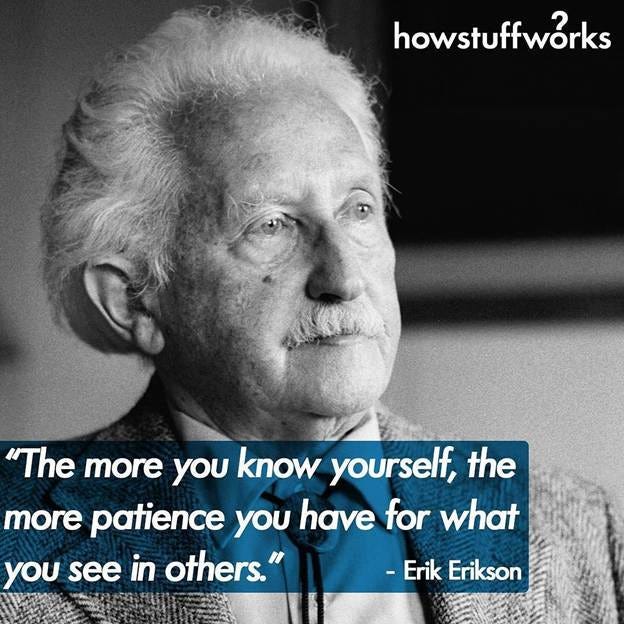
Erik Erikson’s final psychosocial stage—ego integrity vs. despair—has always struck me as one of the most quietly radical ideas in Western psychology. It is framed clinically, almost modestly: the task of late life is to achieve integrity, a sense of coherence and acceptance. But when Erikson describes the outcome of this stage as wisdom, and when he defines wisdom as “detached concern for life itself,” he is doing something far more ambitious. He is smuggling into developmental psychology a spiritual insight that resonates with Buddhism, the Serenity Prayer, and the deep human longing to meet reality without fear.
For your newsletter, Terry, this is fertile ground: a place where developmental psychology, ethical imagination, and contemplative traditions meet in a single, luminous idea.
The paradox at the heart of Erikson’s wisdom
Erikson’s phrase—detached concern for life itself—is deliberately paradoxical. Concern implies care, investment, even love. Detached implies distance, non‑grasping, freedom from clinging. To hold both at once is to stand in the tension between engagement and release, between the desire to shape life and the acceptance that life cannot be controlled.
This is precisely the paradox that Buddhism trains the mind to inhabit. The Buddha’s teaching on non‑attachment is not indifference; it is the refusal to cling to outcomes, identities, or illusions of permanence. Compassion without possession. Presence without demand.
Erikson’s late-life wisdom echoes this stance. It is not resignation. It is not withdrawal. It is the capacity to look at one’s life—its triumphs, its failures, its accidents, its losses—and say: This, too, is mine. And I can let it be.
The Serenity Prayer as a developmental milestone
The Serenity Prayer, in its deceptively simple triad, maps beautifully onto Erikson’s final stage:
Serenity to accept the things I cannot change — the “detached” half of Erikson’s formulation
Courage to change the things I can — the “concern,” the ethical engagement with life
Wisdom to know the difference — the developmental achievement, the fruit of a lifetime of experience
What Erikson calls wisdom is not merely cognitive. It is existential discernment. It is the ability to sort the world into what can be shaped and what must be received. It is the capacity to stop fighting with reality, not because one is defeated, but because one has finally learned how to live in partnership with it.
This is why the Serenity Prayer feels like a late-life prayer even when spoken by the young. It articulates the developmental horizon toward which Erikson believes we are all moving: a mature, compassionate, reality-based acceptance of life’s limits and possibilities.

“Everything that has a beginning has an ending. Make your peace with that, and all will be well.” — The Buddha
Buddhism, Erikson, and the art of dying before you die
In Buddhist thought, the deepest freedom comes from recognizing impermanence—not as a threat, but as the condition that makes compassion possible. If everything changes, then everything is precious. If everything ends, then everything matters.
Erikson’s “detached concern” is a psychological analogue to this spiritual insight. It is the stance of someone who has lived long enough to see patterns repeat, illusions dissolve, and the self itself soften. It is the stance of someone who has practiced, consciously or not, the art of dying before dying: releasing the ego’s insistence on control so that life can be met as it is.
This is why Erikson places wisdom at the end of life. Not because younger people cannot taste it, but because the full flavor requires time—decades of loving, losing, trying, failing, and beginning again.
The civic and ethical dimension: wisdom as public virtue
For your newsletter’s readers—who come to you for ethical imagination, civic reflection, and the psychology of interior life—Erikson’s insight offers a public lesson as well.
A society without elders who embody “detached concern for life itself” becomes frantic, reactive, and brittle. It loses the ballast of people who have learned how to hold complexity without panic. Wisdom, in Erikson’s sense, is not only a personal achievement; it is a civic resource. It is the capacity to remain steady in the face of uncertainty, to respond rather than react, to care without clinging to control.
In this way, Erikson’s final stage is not merely about aging. It is about the cultivation of a stance toward life that our culture desperately needs: a stance that blends compassion with equanimity, engagement with acceptance, love with letting go.
Closing reflection
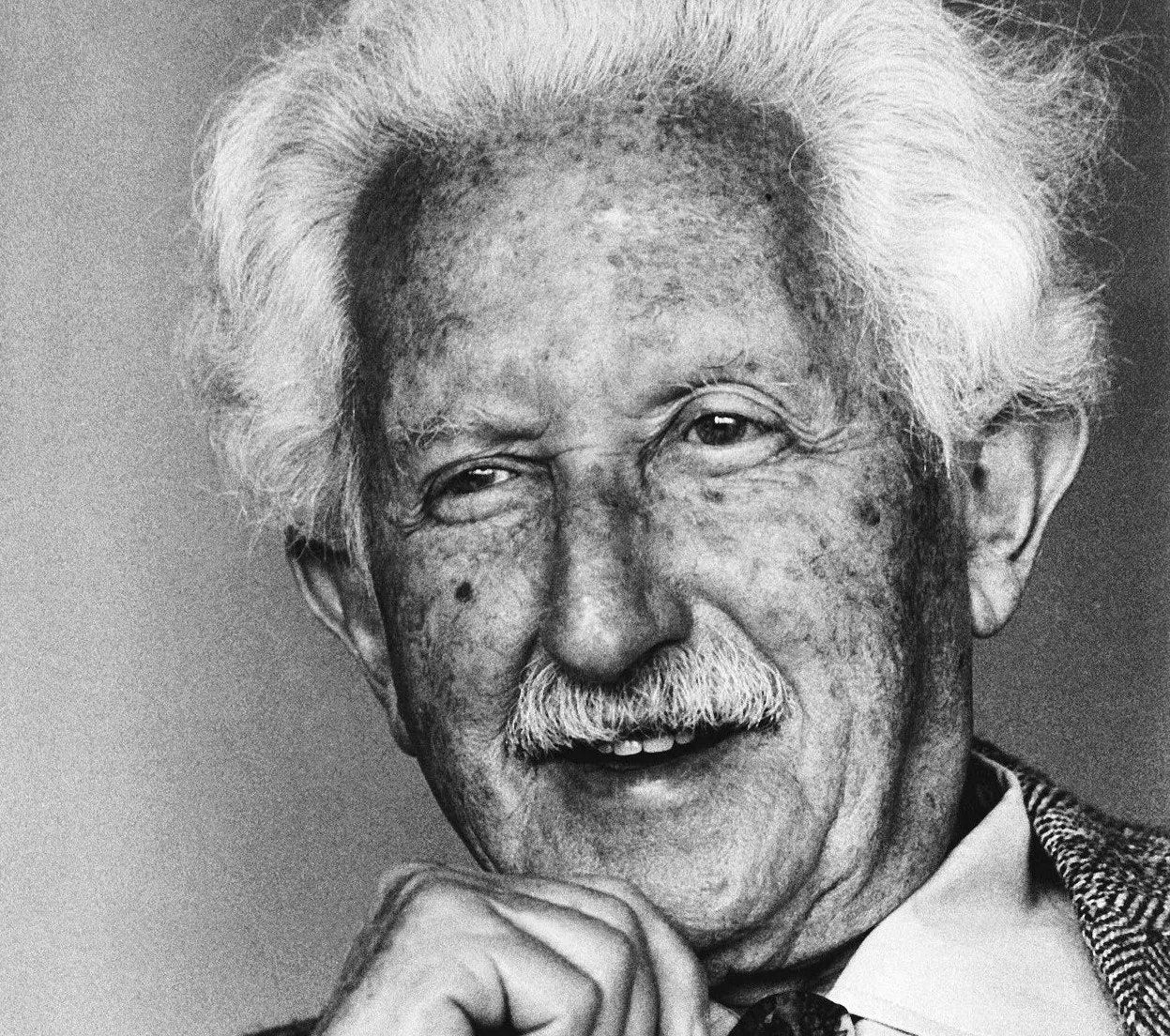
Erikson’s brilliance was not only developmental but philosophical. By naming wisdom as the culmination of human growth, he placed psychology in conversation with the world’s contemplative traditions. And by defining wisdom as detached concern for life itself, he gave us a phrase that feels like a bridge—between East and West, between youth and age, between striving and surrender.
It is a phrase worth carrying into the later chapters of life, and into the civic imagination we try to cultivate in our newsletter: a reminder that the deepest maturity is not control, but clarity; not withdrawal, but spaciousness; not despair, but a serene, compassionate acceptance of the whole human story.