
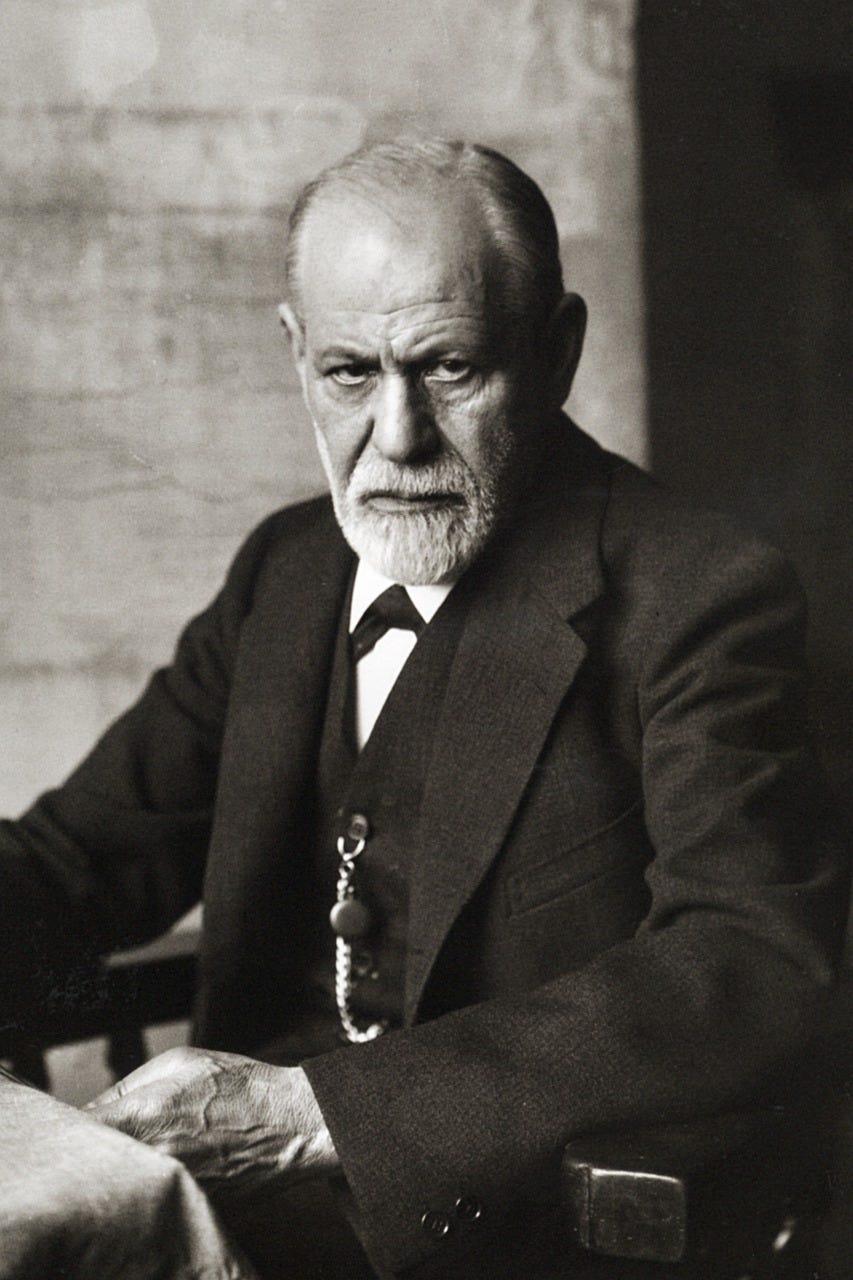
Freud’s line—“A man who has been the indisputable favourite of his mother keeps for life the feeling of a conqueror”—is one of the most compressed, revealing sentences he ever wrote. It appears in a 1917 letter and in his reflections on childhood reminiscence. The recent reporting on this quote makes its meaning clearer: Freud believed that a certain kind of maternal devotion creates a lifelong psychological posture of confidence, entitlement, and inner solidity.
Below is a deeper expansion:
The Emotional Physics Behind Freud’s Claim
Freud was not talking about favoritism in the petty, domestic sense—extra cookies, indulgent praise, or a mother who spoils her child. He meant something more elemental: a child who experiences himself as unquestionably chosen. In Freud’s model, this early experience becomes a kind of psychic infrastructure.
A mother’s unwavering favor does three things:
It confers primacy. The child feels he stands at the center of the emotional universe.
It confers inevitability. Success feels like the natural state of things, not a fragile hope.
It confers permission. The child moves through the world as if he has a right to take up space, to attempt, to risk.
Freud’s language—the feeling of a conqueror—is metaphorical, but not accidental. It names a psychological stance: the expectation that one’s efforts will meet with triumph, or at least with resilience in the face of setback. This is not arrogance; it is existential security.
Why the Mother? Freud’s Asymmetry
Freud focused on the mother because, in his cultural and clinical world, the father was often distant, strict, or emotionally unavailable. The mother’s affection was the child’s first experience of unconditional recognition. When that recognition was intense and unambiguous, Freud believed it became the template for adult confidence.
This is why he linked maternal favor to later ambition, drive, and even charisma. The child who has been “the golden one” does not merely feel loved; he feels validated at the root.
The Mechanism: How Early Certainty Becomes Adult Power
Freud’s insight rests on a simple but potent mechanism:
Early certainty → internalized self-worth. The child absorbs the message: I matter; I am capable; I am seen.
Internalized self-worth → risk tolerance. People who expect success take risks. People who expect failure avoid them.
Risk tolerance → real-world achievement. Confidence becomes a self-fulfilling prophecy. Opportunities expand for those who believe they can seize them.
Freud’s point is not that maternal favoritism magically produces geniuses. It is that early emotional license—the sense of being allowed to try, to fail, to rise—creates adults who move through the world with a kind of unshakable forward momentum.
The Shadow Side: Rivalries and the Unchosen
Freud also understood the darker half of this dynamic. The favored child may grow into an adult who leaves behind a family stage crowded with rivalries. The siblings who were not chosen may internalize comparison, insecurity, or resentment. The “conqueror” stance is not neutral; it rearranges the emotional ecology of the household.
This is why Freud’s insight is psychologically sharp but ethically ambiguous. To elevate one child is to create a hierarchy that echoes through adulthood.
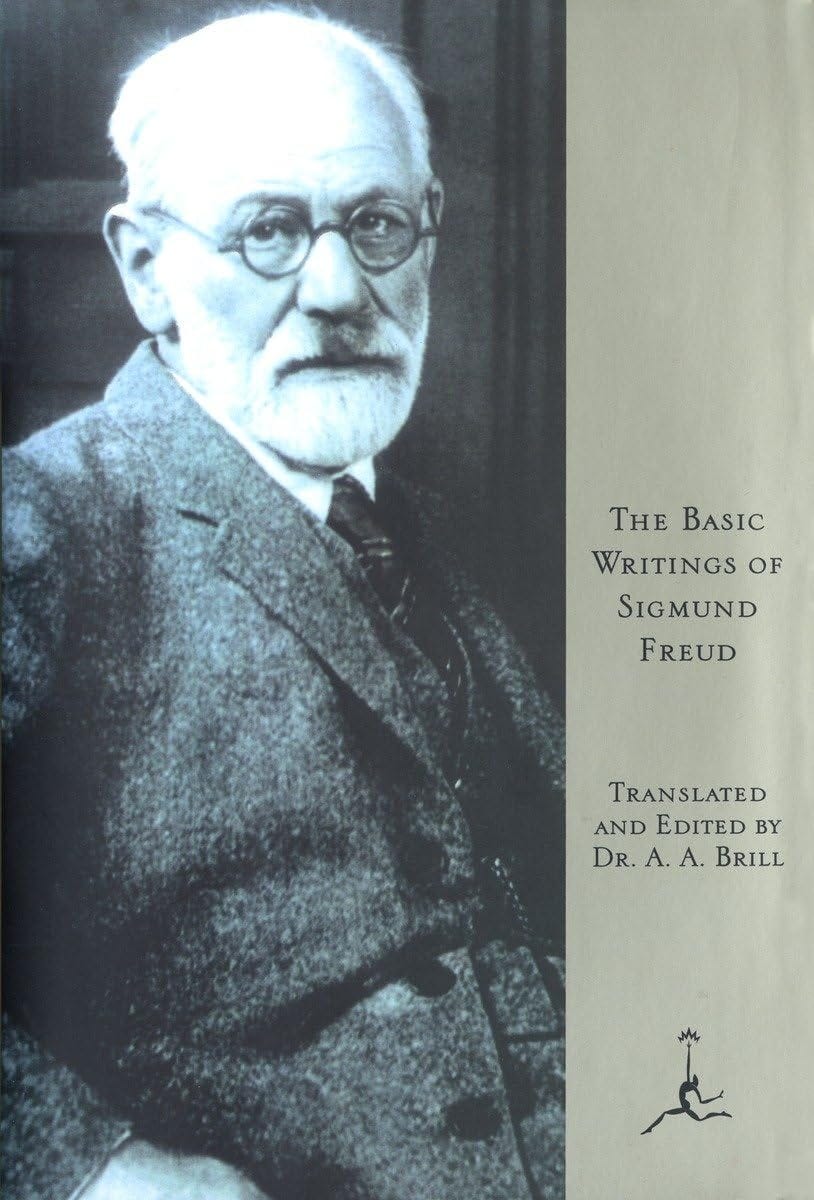
The Larger Meaning: Freud’s Early Theory of Destiny
Freud’s sentence is ultimately about destiny shaped by early love. Not fate in the mystical sense, but the way a child’s first emotional experiences become the architecture of his adult expectations.
To be the favorite son of a mother, in Freud’s view, is to be given a lifelong passport: the belief that the world will yield.
That belief, he argued, often makes the world do exactly that.
Vincent Triola - YouTube https://www.youtube.com/@vincentvtriola
Trueman Music | Join me on Suno https://suno.com/@captivatingminimalism0623
Terry Trueman - YouTube https://www.youtube.com/@TerryTrueman-w6e