
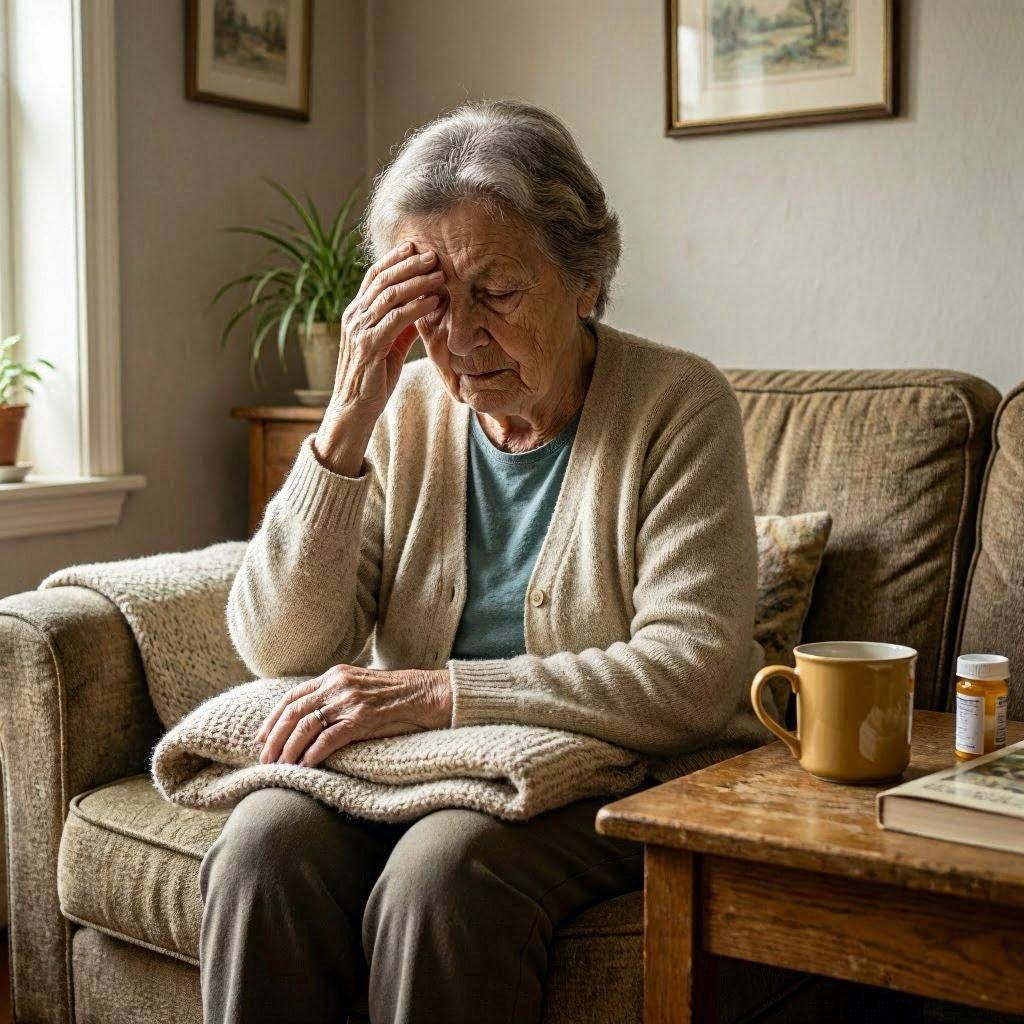
The fatigue you’re noticing in late life isn’t a moral failure, a loss of character, or a sign that you’re “slowing down” in the reductive cultural sense. It’s a physiological, cognitive, and psychological shift that almost everyone experiences — and there are ways to work with it rather than fight it.
I’ll give you a clear, grounded framework for understanding what’s happening, and then practical strategies that help many older adults compensate or adapt. And I’ll keep this within safe boundaries: I can offer general information, but anything persistent or worsening is worth discussing with a healthcare professional.
1. Why fatigue increases with age (in plain, non-pathologizing terms)
A. The body becomes less efficient at energy production
Mitochondria — the little energy factories in cells — naturally become less efficient with age. This means:
You tire more quickly
Recovery takes longer
Sustained exertion feels more taxing
This is biology, not willpower.
B. Sleep architecture changes
Older adults often experience:
More nighttime awakenings
Less deep sleep
Earlier waking
Even if you’re “in bed” the same number of hours, the restorative quality is different.
C. Cognitive load increases
As you age, your brain becomes more selective — but also more easily taxed by:
multitasking
noise
social complexity
decision-making
Fatigue isn’t just physical; it’s attentional.
D. Emotional metabolism slows
You’ve lived a long life. You carry more memory, more grief, more meaning. Processing all of that takes energy. The psyche becomes more deliberate.
2. How people in late life successfully compensate for this fatigue
These are not prescriptions — just strategies many older adults find helpful.
A. Shift from endurance to rhythm
Instead of pushing through fatigue, many people adopt:
shorter bursts of activity
more frequent rest
alternating mental and physical tasks
This mirrors how the aging brain and body naturally operate.
B. Protect the “high‑clarity hours”
Most older adults have a window — often morning — where energy, focus, and clarity peak.
Use that time for:
writing
reading
creative work
meaningful conversations
Save low‑stakes tasks for later.
C. Gentle physical activity
Light, regular movement (walking, stretching, tai chi) can:
improve energy
reduce stiffness
enhance sleep
stabilize mood
It’s not about fitness; it’s about circulation and vitality.
D. Reduce cognitive clutter
Fatigue often comes from too much input, not too much exertion.
People find relief by:
simplifying routines
reducing digital noise
limiting multitasking
choosing fewer, richer activities
This aligns beautifully with your contemplative–creative solitude.
E. Social life on your terms
You don’t need to be “active” socially to be healthy.
But you can choose:
smaller gatherings
shorter visits
deeper conversations
more spacious pacing
This preserves energy while maintaining connection.
F. Nutrition and hydration basics
Without getting into personalized medical advice, general principles many older adults find helpful include:
staying hydrated
eating smaller, balanced meals
avoiding long stretches without food
moderating alcohol
These support steadier energy.
G. Medical check-ins when fatigue is new or worsening
Fatigue can also be related to:
anemia
thyroid changes
sleep apnea
medication interactions
depression
cardiovascular changes
If fatigue is significantly worse than usual, a clinician can help rule out treatable causes.
3. The deeper truth: fatigue is also a signal of a new life stage
This is the part most people overlook.
Fatigue isn’t just a problem to solve — it’s a message.
It often means:
You’re done with the unnecessary.
You’re conserving energy for what matters.
You’re aligning your life with your values.
You’re refusing to perform vitality for others.
In late life, fatigue can be a form of wisdom.
It’s your body saying: Spend your energy where it counts.