
The Small, Difficult Work of Freedom
There are moments in American civic life when the mood shifts—subtly at first, then unmistakably. A kind of static gathers in the air. Conversations feel thinner, more brittle. People begin to speak in slogans rather than sentences. The public square, once a place of argument and imagination, starts to feel like a stage set for grievance.
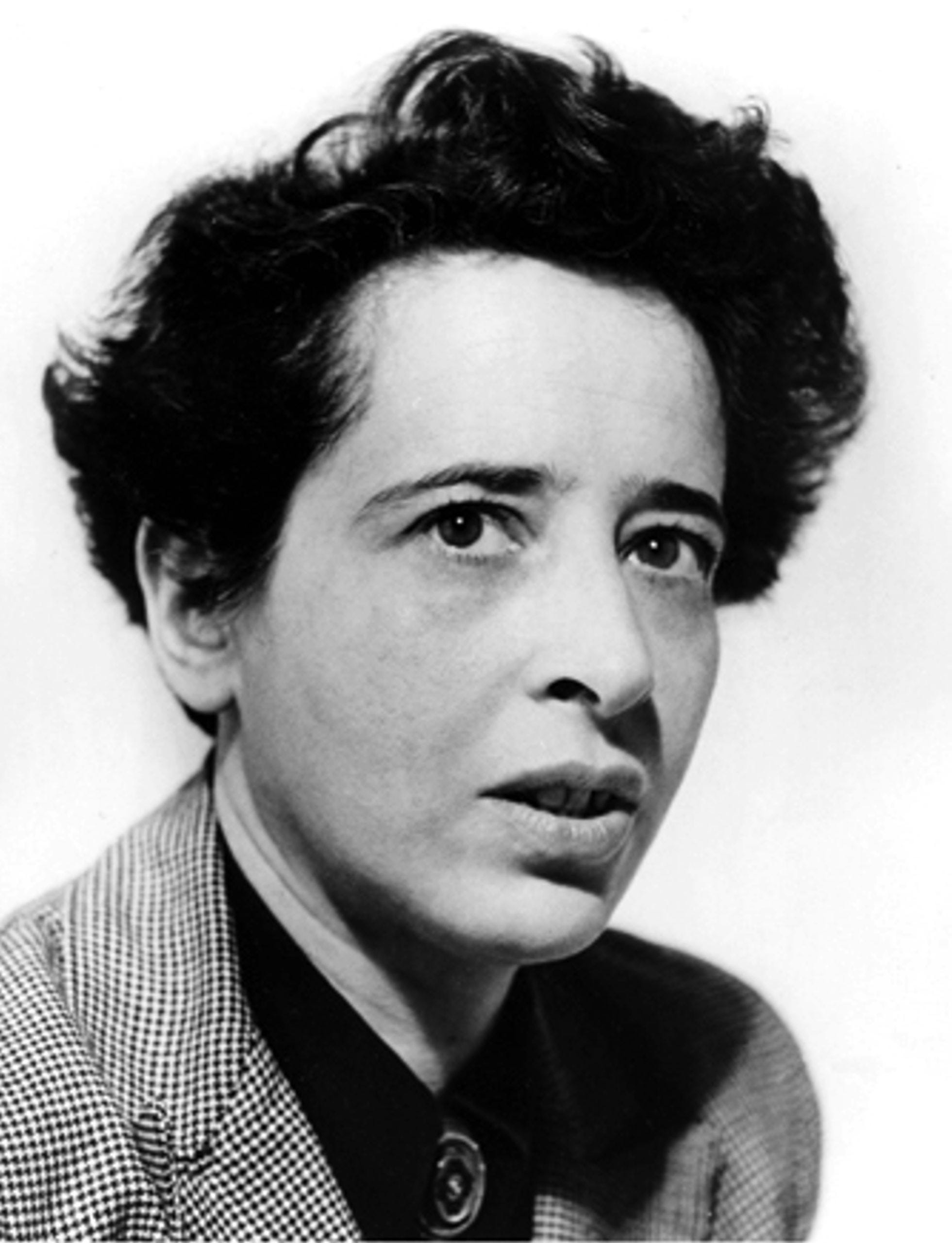
In such moments, I find myself returning to Hannah Arendt—not for comfort, exactly, but for orientation. Arendt never promised reassurance. What she offered instead was a way of seeing: a disciplined attention to how human beings lose themselves when they stop thinking, and how they recover themselves when they begin again.
Arendt’s warning was never about a single leader or movement. Her concern was more intimate, more psychological. She believed that authoritarianism begins not with the seizure of power but with the quiet erosion of our inner life. When we outsource our judgment to the crowd, when we trade complexity for certainty, when we allow resentment to masquerade as truth—that is when the ground begins to give way.
She called this “thoughtlessness,” but she didn’t mean stupidity. She meant the refusal to pause, to reflect, to ask the uncomfortable question: Is this true? And if it is, what does it require of me?
In our current civic mood—charged, suspicious, impatient—Arendt’s insistence on thinking as a moral act feels almost radical. She reminds us that democracy is not sustained by agreement but by plurality: the stubborn, beautiful fact that other people see the world differently than we do. Authoritarian movements, by contrast, promise the opposite. They offer the narcotic of unity, the fantasy that the world can be made simple if only we silence the right voices.
Arendt understood the danger of that fantasy. She also understood its appeal.
What she asks of us is harder: to remain present in a world that refuses to be simple. To resist the temptation to collapse our anxieties into a single enemy. To stay awake to the fragile, improvisational nature of freedom.
This is not glamorous work. It is the work of conversation, of listening, of refusing to let our political imagination be colonized by fear. It is the work of noticing when language is being bent out of shape—when words like “truth,” “people,” or “freedom” are emptied of meaning and refilled with something more corrosive.
Arendt believed that the health of a democracy depends on our willingness to protect the space between us—the space where speech, disagreement, and shared reality can still occur. When that space collapses, politics becomes a battlefield rather than a commons.
And so the question for us, in this season of unraveling, is not simply how to oppose authoritarian tendencies. It is how to cultivate the habits of mind and heart that make authoritarianism less tempting in the first place.
Perhaps the task is modest: to think in public without cruelty, to speak without surrendering to the easy satisfactions of contempt, to imagine a future that is not merely the negation of someone else’s.
Arendt would remind us that freedom is not a possession but a practice. It is something we enact together, imperfectly, day after day. And in a time when so much of our civic life feels frayed, that practice—small, difficult, and deeply human—may be the most important work we have.