
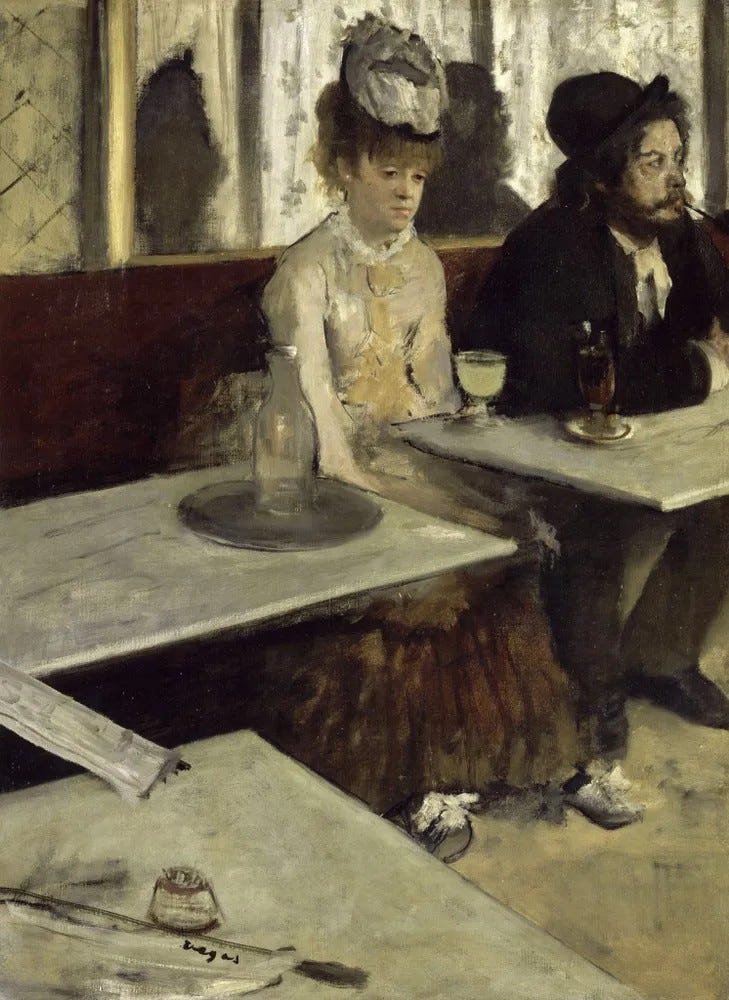
Degas' 1876 painting "L'Absinthe"
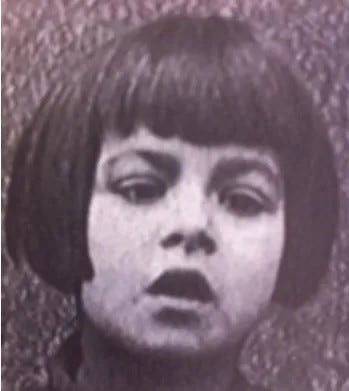
Marthe Suzanne Tepfer, she arrived at #Auschwitz on 8 November 1942 in a transport of 1,000 Jews deported from Drancy. She did not survive.
Epigraphs
“Art is a way of recognizing oneself.” — Louise Bourgeois
“And politics is the way we decide what that self owes to others.” — Anonymous
“Art is the lie that helps us realize the truth.” — Pablo Picasso
“Perspective is the only antidote to frenzy.” — Anonymous, but it could have been any of us
I. The Attitude That Holds It All Together
What makes the site so compelling is not the mix of content — art, political philosophy, historical memory, moral commentary — but the attitude that binds it.
This is not a feed that lurches between beauty and outrage.
It’s a feed that assumes they belong to the same moral project.
The curator’s stance is steady, serious, and humane. Art is not escapist; politics is not performative. Both are treated as ways of paying attention to the world — and paying attention is treated as an ethical act.
This attitude is the through-line:
truth-seeking as a daily discipline, not a dramatic gesture.
II. Art as a Training Ground for Moral Vision
Look at the paintings that populate the feed: Klimt’s shimmering intimacy, Klee’s playful geometry, Matisse’s interiors, Degas’ urban solitude.
These aren’t posted as aesthetic trophies. They’re posted as exercises in perception.
The attitude is:
If you can learn to see a painting clearly, you can learn to see a society clearly.
Art becomes a rehearsal for moral clarity.
A way of practicing:
nuance
patience
attention to detail
emotional honesty
These are not just artistic virtues. They are civic virtues.
III. Political Philosophy as an Extension of Artistic Values
The political content on the page — critiques of authoritarianism, reminders of historical atrocity, affirmations of human dignity — doesn’t feel like a separate track. It feels like the natural continuation of the same values that shape the art curation.
The attitude is consistent:
Art teaches us what humans can create.
Politics teaches us what humans must protect.
Both teach us what humans can destroy.
This is why a Chomsky quote sits comfortably beside a Kandinsky.
Why a remembrance from the Auschwitz Memorial feels of a piece with a Degas interior.
Why teaching critical race theory appears alongside a Matisse.
The feed treats political philosophy not as ideology but as ethical literacy — the same literacy required to understand a painting.
IV. The Site as a Moral Studio
The page functions like a studio where the tools are:
images
memory
conscience
civic imagination
And the work being done is the slow, steady shaping of a worldview.
The attitude is not lofty.
It’s grounded, patient, and morally awake.
It says:
Beauty matters because people matter.
History matters because truth matters.
Politics matters because harm matters.
This is not a gallery and not a soapbox.
It’s a workshop of perception.
Sidebar: Four Attitudes That Define the Site
1. Attention as Ethics
To look carefully is to care carefully.
2. Beauty as Resistance
Aesthetic experience slows the mind enough to resist manipulation.
3. Memory as Obligation
The past is not a museum; it’s a responsibility.
4. Truth as a Shared Burden
No one sees everything. But everyone must try to see something clearly.
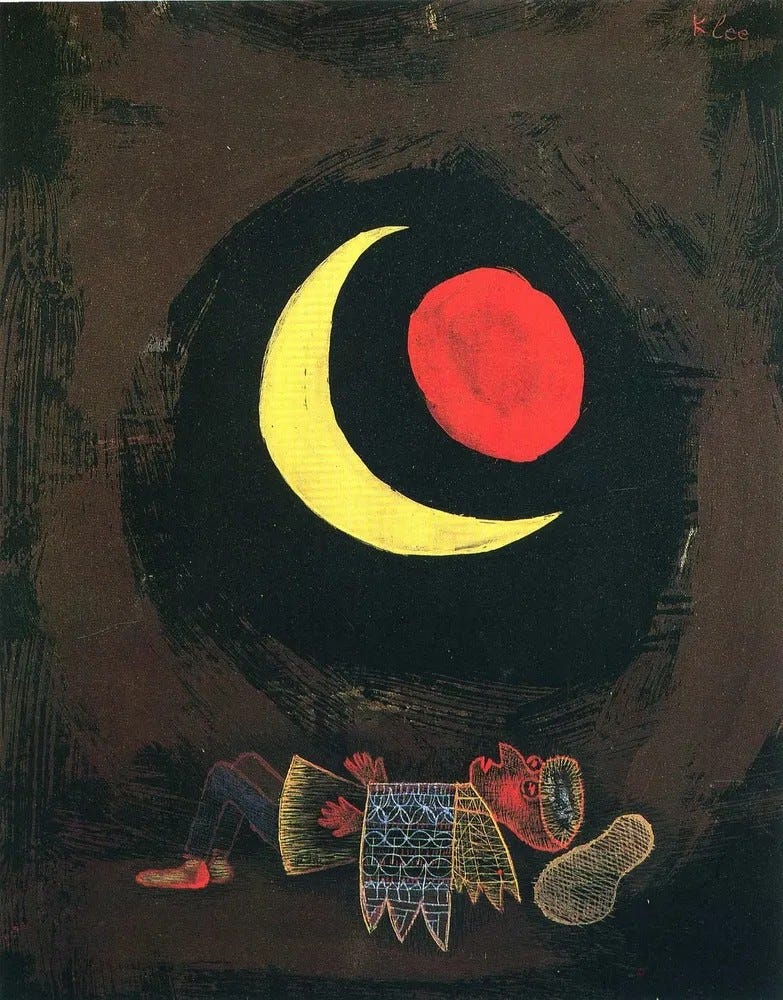
"Strong Dream" (German: Starker Traum), created by the Swiss-born German artist Paul Klee in 1929
V. Closing Meditation: Truth-Seeking as a Civic Art
Truth-seeking is not a personality trait.
It’s an attitude — a way of standing in the world.
The site you’re viewing embodies that stance.
It treats art as a teacher, politics as a test, and memory as a guide.
It refuses the easy cynicism that says beauty is frivolous and justice is naïve.
Instead, it proposes a different posture:
that to see clearly is to care,
and to care is to act.
Truth-seeking, in this sense, becomes a civic art —
a practice of attention, humility, and moral imagination.
And that is why the blend works so seamlessly.
Not because art and politics are forced together,
but because the attitude behind them is the same.