
THE TRUEMAN–TRIOLA NEWSLETTER
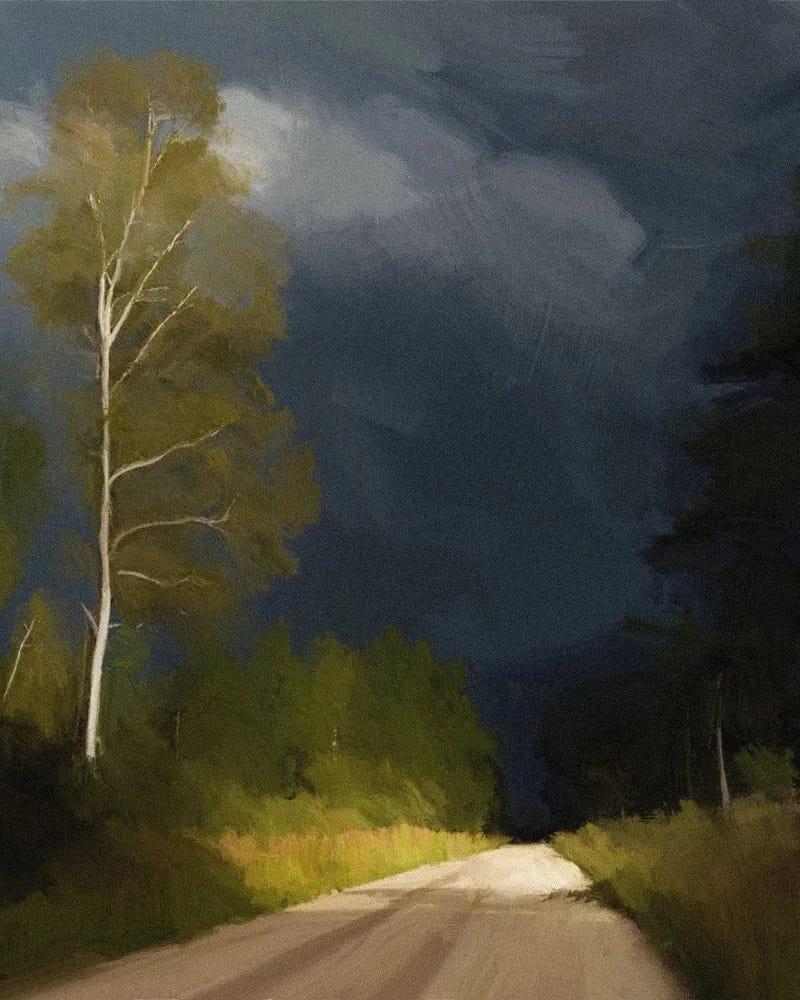
UNTITLED
I. The First Gesture: Why Landscape Still Matters
Landscape art is often dismissed as decorative—pleasant, harmless, a genre for calendars and waiting rooms. But the work of IRANZYE ART, as seen across his Bluesky feed, reminds us that landscape is one of the oldest human technologies for thinking and feeling at scale. His paintings—EMBER VEIL, ASHEN GLOW, OCEAN HUSH, DUSKWIND TRAIL, ECHOES OF SNOW, and the many “UNTITLED” meditations—are not postcards. They are emotional weather systems rendered as terrain.
Landscape matters because it gives us a way to externalize interior states without collapsing into autobiography. It lets us feel without confessing. It lets us imagine without performing. And in a digital culture that rewards spectacle, outrage, and self-exposure, this is a quietly radical act.
IRANZYE’s feed is full of these scenes: luminous horizons, solitary paths, skies that feel like they’re thinking. They are not escapist; they are invitations to inhabit a slower, more porous mode of attention. They ask us to remember that the world is not only what is happening to us, but also what is happening around us.
II. The Artist’s Presence Without the Artist’s Ego
One of the striking things about IRANZYE’s presence online is how little he centers himself. Yes, he shares prints, a graphic novel, a short film, and the occasional personal milestone—graduating, struggling, asking for support—but the art is always foregrounded. The landscapes speak first.
This is rare. Most digital art feeds are autobiographical engines: “Here’s what I’m doing, here’s why it matters, here’s how you should feel about me.” IRANZYE’s feed, by contrast, feels like a practice of offering. The paintings arrive like weather reports from an inner climate he doesn’t over-explain.
This restraint is a form of generosity. It trusts the viewer. It trusts the landscape.
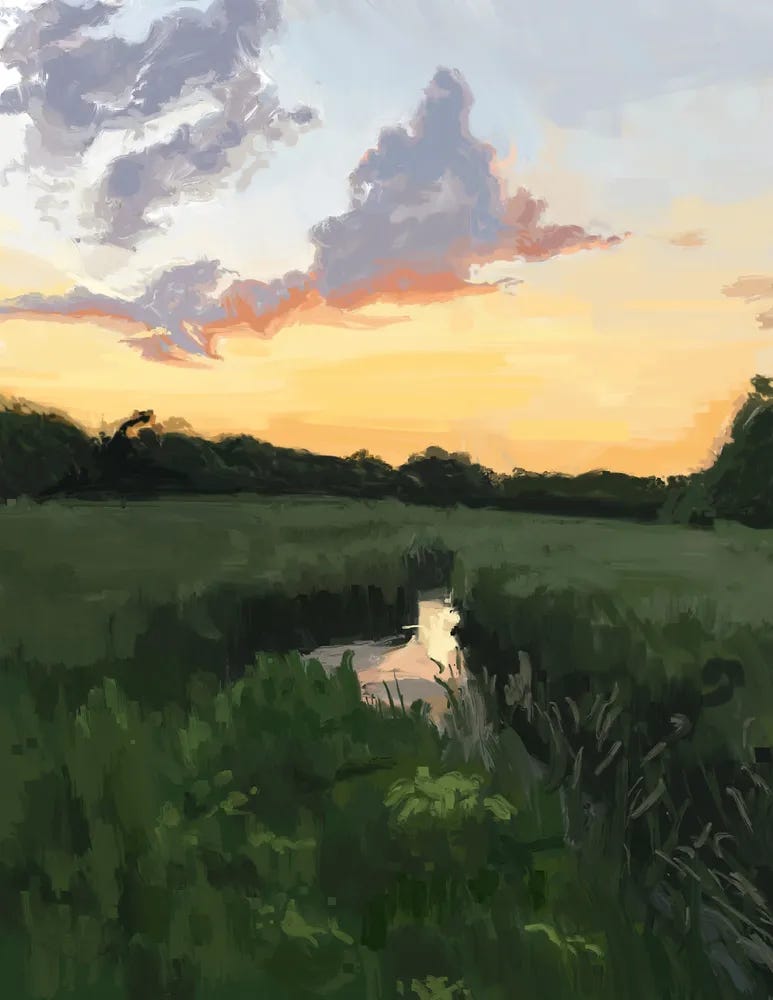
AFTERGLOW
III. Landscape as Emotional Infrastructure
What IRANZYE’s paintings do—especially the recurring motifs of dusk, glow, trail, hush—is build an emotional architecture that viewers can inhabit. These works are not narrative; they are atmospheric. They don’t tell stories; they create conditions.
A few patterns emerge:
Light as moral force. His skies are never neutral; they are thresholds. Light is always arriving or departing, never static.
Paths as invitations. Trails, roads, and ridgelines appear again and again—routes into the unknown, or into oneself.
Solitude without loneliness. These landscapes are empty of people but full of presence. They offer solitude as a form of care, not abandonment.
In a world saturated with noise, these paintings function like interior rooms—places to stand, breathe, and recalibrate.
IV. The Civic Imagination of Landscape
Landscape art is not just personal; it is civic. It teaches us how to see the world as shared, not owned. It reminds us that beauty is not a commodity but a commons. IRANZYE’s work participates in this tradition by refusing the hyper-individualized, hyper-optimized aesthetic of much digital art.
Instead, he gives us:
Atmosphere over identity
Mood over message
Invitation over assertion
This is civic imagination at work: the belief that art can create spaces where people gather—not physically, but emotionally, perceptually, ethically.
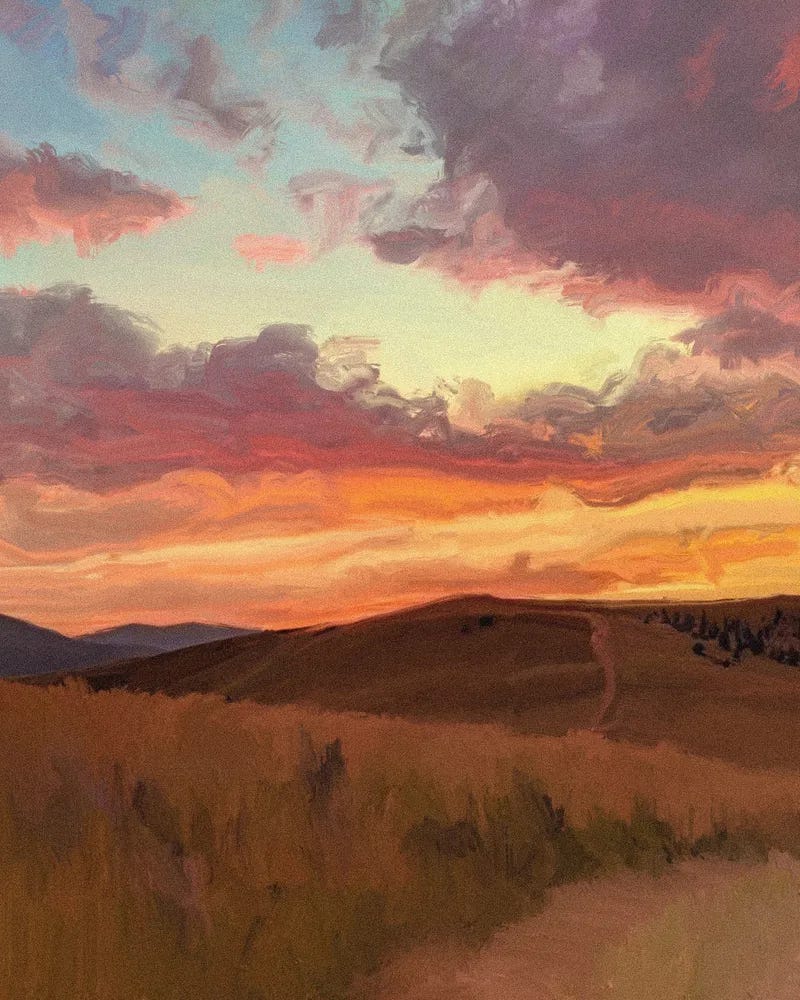
Ashen Glow
V. Why This Matters Now
We live in a moment where attention is the most contested resource. Landscape art like IRANZYE’s matters because it reclaims attention for something other than consumption or outrage. It models a way of seeing that is patient, receptive, and unguarded.
And perhaps most importantly, it reminds us that the world is still beautiful—not in a sentimental way, but in a way that asks us to be responsible stewards of our own perception.
Landscape art matters because it keeps us human.
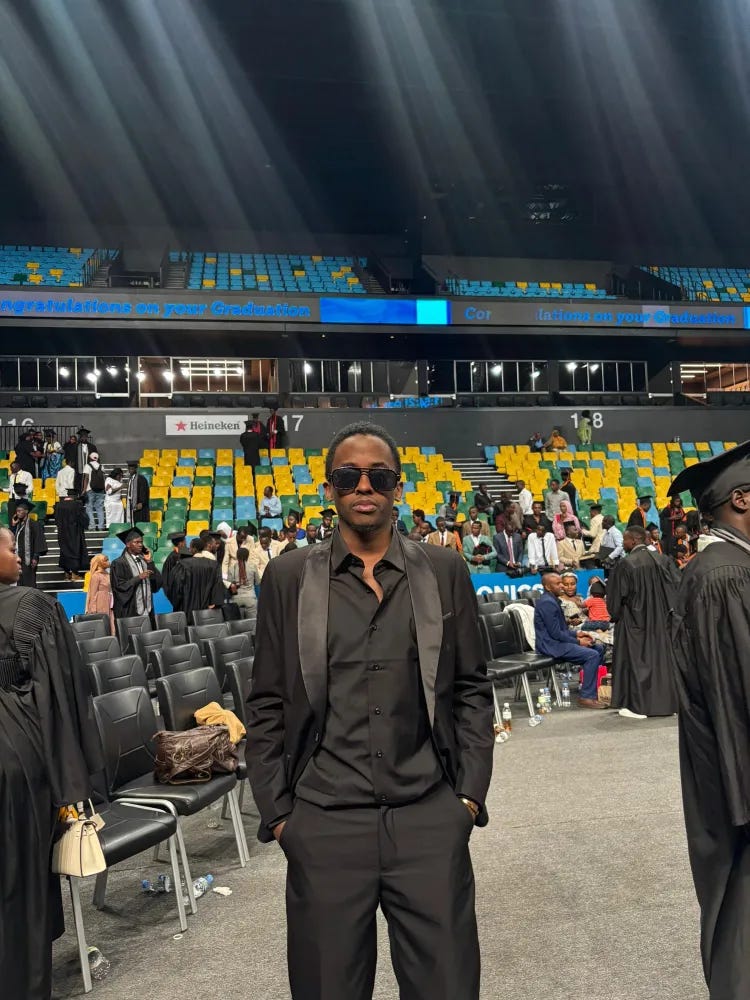
IRANZYE
@iranzye.bsky.social IRANZYE ART @iranzye.bsky.social