Epigraph “I have always found that mercy bears richer fruits than strict justice.” —Abraham Lincoln
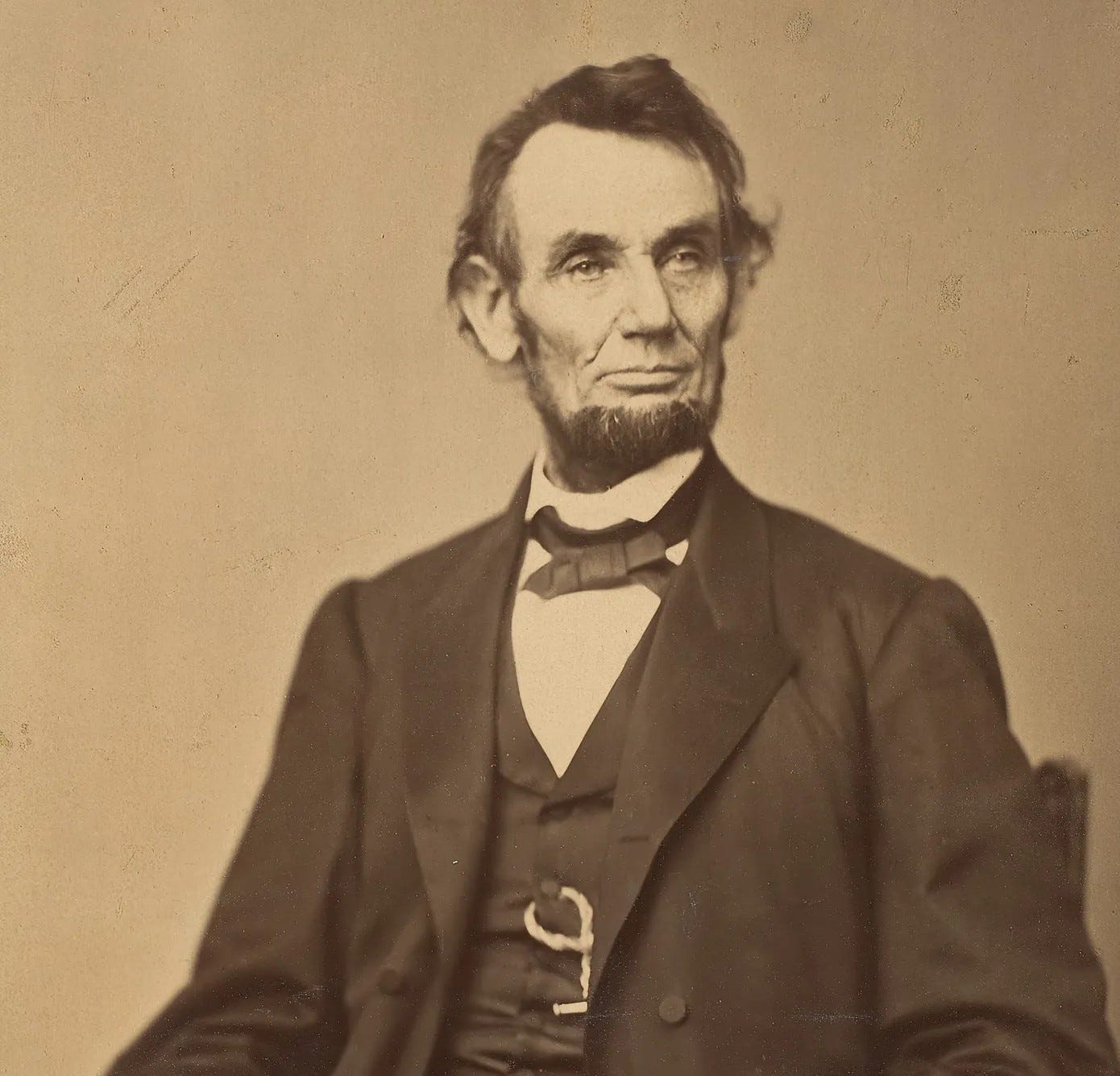
There are moments in American history when a single figure seems to stand at the hinge of the nation’s moral life, not because he wielded power with theatrical force, but because he understood the human condition with unusual depth. Abraham Lincoln remains one of those rare figures. His greatness is often narrated through the familiar tropes of resolve, strategy, and rhetorical brilliance, yet these are only the visible branches of a deeper root system. What animated his leadership—what steadied him through the bloodiest years of the republic—was a disciplined empathy, a compassion that refused to collapse even his enemies into caricature.
Lincoln’s letters and speeches reveal a man who felt the weight of every decision in his bones. His prose carries that unmistakable mixture of sorrow and tenderness, as though he were always aware of the fragile, temporary nature of the lives swept into the war’s machinery. He did not avert his eyes from suffering; he absorbed it. And in absorbing it, he found clarity. Compassion, for Lincoln, was not a softening agent. It was a lens. It kept him from the easy satisfactions of vengeance and pushed him toward a vision of the Union that could be healed rather than merely subdued.
This interior stance shaped his political genius. Lincoln persuaded without humiliating. He held together a fractious coalition not by force but by understanding the fears, pride, and aspirations of the people within it. He believed—almost stubbornly—that the “better angels” he invoked were not rhetorical ornament but a real, if fragile, resource. He governed as though every person, whether ally or adversary, remained reachable through an appeal to their own sense of decency.
And perhaps this is why his legacy endures with such moral weight. Lincoln’s empathy was not sentimental; it was austere, disciplined, a daily practice of refusing to surrender to hatred even when hatred would have been justified. His compassion was not a retreat from responsibility but the ground on which he stood to make the hardest decisions of his life. In the end, what he offered the country was not just victory or reunification but a model of leadership rooted in humanity—a reminder that power, at its best, is exercised through understanding rather than domination.
In a moment when public life often feels stripped of that kind of moral imagination, Lincoln’s example reads less like history and more like a challenge. He shows us that empathy is not a luxury reserved for calmer times; it is the essential tool for navigating the storm.
SIDEBAR: THE WORK OF SEEING Lincoln practiced a form of attention that feels almost radical today. He tried to understand people before judging them—not to excuse them, but to see them clearly. This slow, unguarded posture is the opposite of the reactive stance our age rewards. Yet it is the foundation of any civic life worth having. Empathy, in Lincoln’s hands, was not a feeling but a responsibility. It asked him to imagine the cost of every decision on lives he would never meet. It asked him to stay human in a moment when the country itself seemed to be forgetting how.
WHY EMPATHY SHAPES HISTORICAL MEMORY: LINCOLN AT THE TOP, TRUMP AT THE BOTTOM
When historians rank presidents — in surveys such as the C-SPAN Historians Survey of Presidential Leadership (2021) or the American Political Science Association evaluations — they are not measuring charisma, partisanship, or even policy preferences. They are measuring leadership traits that have proven durable across time: crisis management, moral authority, vision, administrative skill, and the ability to hold a fractured nation together. Again and again, empathy emerges as the quiet force that underlies these categories.
Lincoln rises to the top of these rankings not simply because he preserved the Union or issued the Emancipation Proclamation, but because he did so with a moral imagination that refused to dehumanize even those who wished him ill. Historians point to his letters, his pardons, his refusal to indulge in triumphalism, and his insistence that the nation must be healed “with malice toward none, with charity for all.” His empathy was not ornamental. It shaped his decisions, softened the edges of war, and gave his leadership a moral center that still feels luminous.
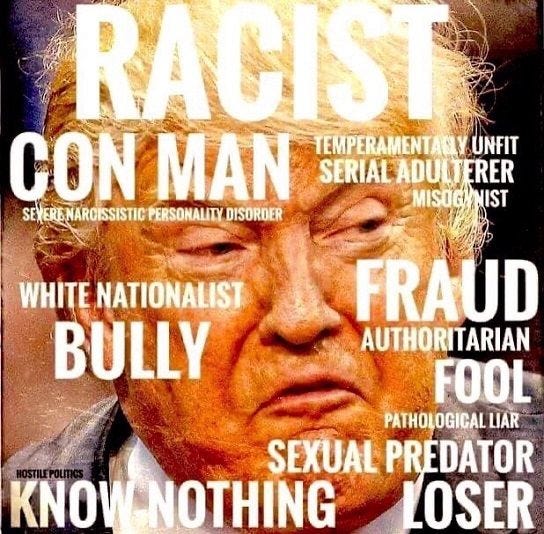
In contrast, Donald Trump consistently appears at or near the bottom of these same historian surveys. This is not because of ideology — historians across the political spectrum participate — but because the traits they evaluate tend to reward leaders who can imagine the perspectives, fears, and needs of others. Trump’s leadership style, as documented in reporting, public statements, and administrative records, is often described by historians as reactive, grievance‑driven, and centered on personal loyalty rather than civic responsibility. Where Lincoln expanded his circle of concern outward, Trump’s public rhetoric frequently narrowed it. Where Lincoln sought to calm a fractured nation, Trump often amplified division. Historians note that this absence of empathetic imagination undermines categories like “moral authority,” “crisis leadership,” and “administrative effectiveness,” which heavily influence overall rankings.
The contrast is not simply about temperament. It is about the role empathy plays in democratic leadership. Lincoln’s capacity to imagine the inner lives of others allowed him to govern for the whole — even those who despised him. Trump’s approach, as historians describe it, often treated opponents as enemies and critics as traitors, a posture that erodes the very civic fabric a president is meant to steward.
Empathy, in other words, is not a sentimental virtue in these assessments. It is a structural one. It shapes how a leader understands conflict, how they wield power, how they speak to the nation in moments of fear, and how they imagine the responsibilities of the office. Lincoln’s empathy expanded the presidency into a moral institution. Trump’s absence of it, in the eyes of many historians, diminished the office into a stage for personal combat.
This is why the rankings diverge so sharply. They are not simply judgments of success or failure. They are reflections of how deeply a leader understood the people they served — and how that understanding shaped the nation’s trajectory.
THE CIVIC WEIGHT OF FEELING Why Empathy Lifts Lincoln to the Top of Historian Rankings — and Why Its Absence Lowers Others
Epigraph “With malice toward none; with charity for all…” —Abraham Lincoln, Second Inaugural Address
There is a reason Abraham Lincoln continues to occupy the top position in major historian rankings of U.S. presidents, from the C‑SPAN Historians Survey of Presidential Leadership to the American Political Science Association’s evaluations. His achievements matter, of course — preserving the Union, issuing the Emancipation Proclamation, steering the nation through its most violent rupture. But historians repeatedly return to something quieter, something interior: the moral imagination that shaped his leadership. Lincoln governed from a place of radical empathy, a disciplined compassion that allowed him to see the human being inside every conflict, even when the nation was tearing itself apart.
This is not sentimentality. It is a form of clarity. Lincoln’s empathy sharpened his judgment. It kept him from indulging in vengeance when vengeance would have been easy. It allowed him to imagine a postwar nation not as a battlefield to be punished but as a wounded body to be healed. His letters, his pardons, his refusal to humiliate the defeated — all of these reveal a leader who understood that the work of democracy is, at its core, the work of seeing others fully.
⁂
When historians evaluate presidents, they measure traits that endure across eras: crisis leadership, moral authority, administrative skill, vision, the ability to hold a fractured nation together. Empathy threads through all of these categories. It shapes how a leader understands conflict, how they wield power, how they speak to the nation in moments of fear. Lincoln’s empathy expanded the presidency into a moral institution. It gave his decisions a depth that still feels luminous.
This same framework helps explain why, in many of these historian surveys, Donald Trump appears at or near the bottom. This is not a matter of ideology — historians across the political spectrum participate — but of leadership traits. Public records, reporting, and administrative accounts describe a governing style centered on personal grievance, loyalty tests, and rhetoric that often intensified division rather than calming it. Historians note that this approach undermines categories like “moral authority,” “crisis leadership,” and “administrative effectiveness,” which heavily influence overall rankings.
Where Lincoln widened his circle of concern, Trump’s public posture often narrowed it. Where Lincoln sought to bind the nation’s wounds, Trump’s rhetoric frequently deepened its fractures. In the eyes of many historians, this absence of empathetic imagination diminishes the civic function of the presidency itself.
⁂
The contrast between the two men is not simply about temperament. It is about the role empathy plays in democratic life. Lincoln’s capacity to imagine the inner lives of others allowed him to govern for the whole — even those who despised him. Trump’s approach, as historians describe it, often treated critics as enemies and opponents as threats, a stance that erodes the civic fabric a president is meant to steward.
Empathy, in these assessments, is not a luxury. It is structural. It shapes the trajectory of the nation. It determines whether power is used to heal or to harden. And it explains why Lincoln’s leadership continues to rise in historical memory while others fall.
SIDEBAR: THE CIVIC FUNCTION OF EMPATHY Empathy is not merely a private virtue. In democratic leadership, it becomes a public instrument. It allows a president to imagine the consequences of policy on lives they will never meet. It tempers the impulse toward domination. It widens the circle of concern. Lincoln understood this instinctively. His empathy was not weakness; it was the source of his strength. It gave him the moral authority to lead a nation through its darkest hour. And it remains, for historians, the clearest marker of why some presidencies endure as moral touchstones while others recede into cautionary tales.