
“It is morning, and again I am the lucky person to be in it”
Mary Oliver

Mary Oliver’s line — “It is morning, and again I am the lucky person to be in it” — can sound almost unbearably gentle when held up against the realities of aging, loss, and the slow rearrangement of a life. Yet that gentleness is not naïveté. It’s a stance. A discipline. A way of refusing to let pain have the final word about what a day means.
What makes the remark defensible — even resonant — is that Oliver never promises that morning arrives without cost. She doesn’t claim that waking is easy, or that the body cooperates, or that memory behaves. She simply insists that being here at all is a kind of improbable fortune. The luck she names is not the luck of circumstances but the luck of consciousness: the ongoing chance to participate, to witness, to feel, even when feeling hurts.
Aging complicates this. The morning arrives, but the body arrives differently. The losses accumulate: people, capacities, illusions. The world shrinks in some ways and deepens in others. And yet the line holds, because Oliver’s “luck” is not a denial of pain but a refusal to let pain eclipse the whole horizon. It is a way of saying: even now, even with all this, I am still here, and that is something.
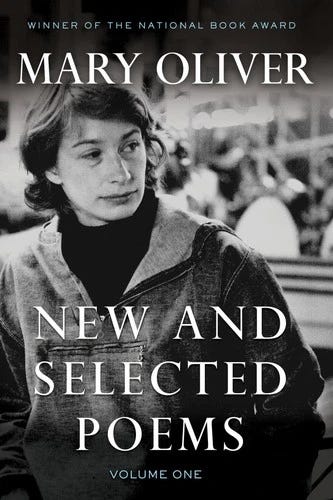
There is also a moral seriousness in her phrasing. To call oneself lucky is to acknowledge contingency — that nothing about being alive was guaranteed. It is to recognize that the day is not owed to us, and therefore not to be squandered in bitterness or self-pity. This is not cheerfulness; it is humility. A kind of ethical gratitude that coexists with grief.
And perhaps this is why the line feels so right for those of us thinking about aging not as decline but as a widening interior landscape. Pain becomes part of the texture of the day, not its definition. Loss becomes a form of clarity. The morning becomes a place where we can still choose how to meet the world — with resignation, or with the quiet, stubborn luck Oliver names.
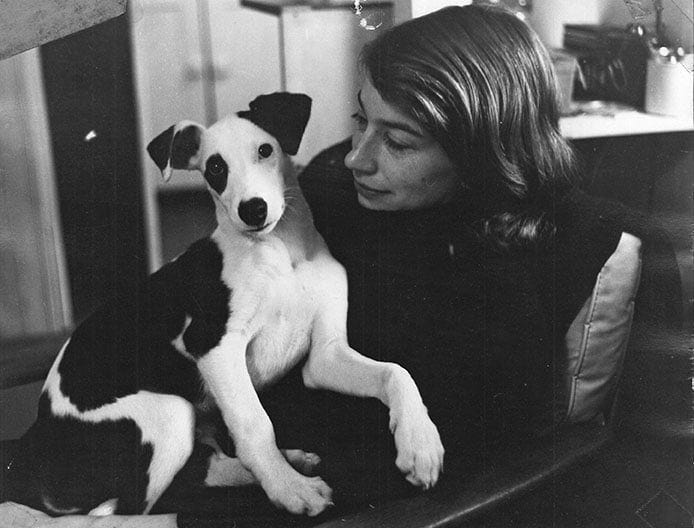
To defend her remark is simply to say: the presence of suffering does not negate the gift of presence itself. Morning does not erase what hurts, but it does offer a renewed chance to live alongside it with some measure of grace.
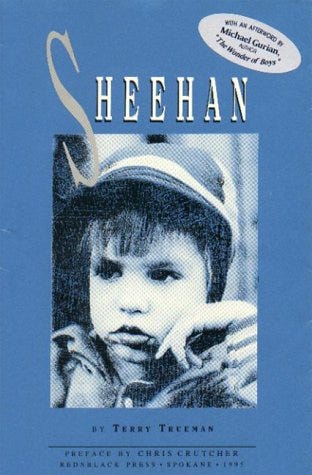
TT: On a personal note, Sheehan was born with profound disability, and there has never been a shred of evidence that he has any conscious awareness of being human or even alive. Considering his existence, Mary Oliver’s awareness of the miracle she has lived makes deeper sense.