
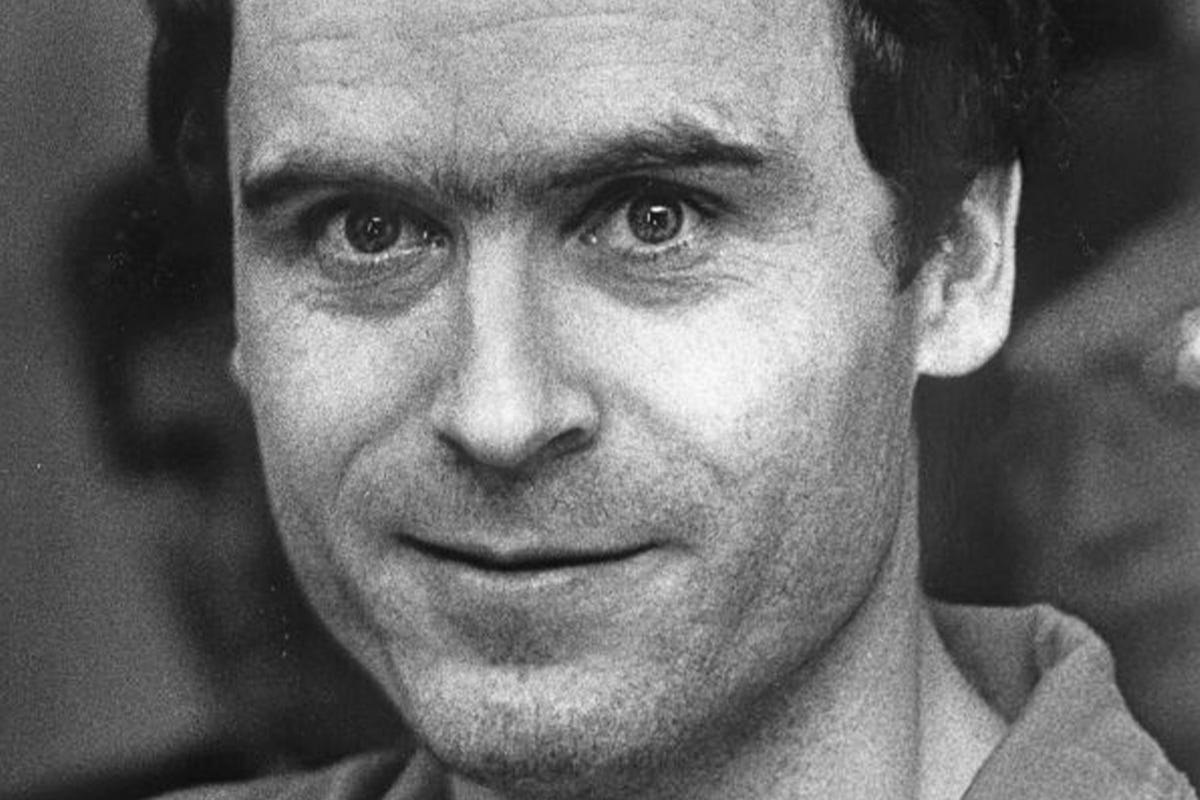
Every so often, a question returns with the persistence of a low‑frequency hum: How is it that people with no real interior life—no empathy, no reciprocity—can move so fluidly through a world built on those very things?
It’s tempting to answer with melodrama, to imagine psychopaths as masterminds or shadowy operators. But the truth is more ordinary, and therefore more unsettling. Their power doesn’t come from brilliance. It comes from the rest of us—our reflexive belief that other people feel the world the way we do.
Healthy people assume emotional displays reflect emotional realities. Psychopaths treat emotional displays as tools. They don’t feel empathy, but they study it the way a painter studies light: not to experience it, but to reproduce its effects. They learn the gestures that signal warmth, the cadences that suggest sincerity, the small disclosures that create the illusion of intimacy.
And because most of us are wired for trust, we rarely imagine that someone might be performing humanity rather than inhabiting it.
What looks like charisma is often just emotional flatness mistaken for confidence. What feels like deep compatibility is often just mirroring—your values, your fears, your moral vocabulary reflected back at you with uncanny precision. The psychopath’s gift, if we can call it that, is the ability to impersonate the moral universe they don’t actually live in.
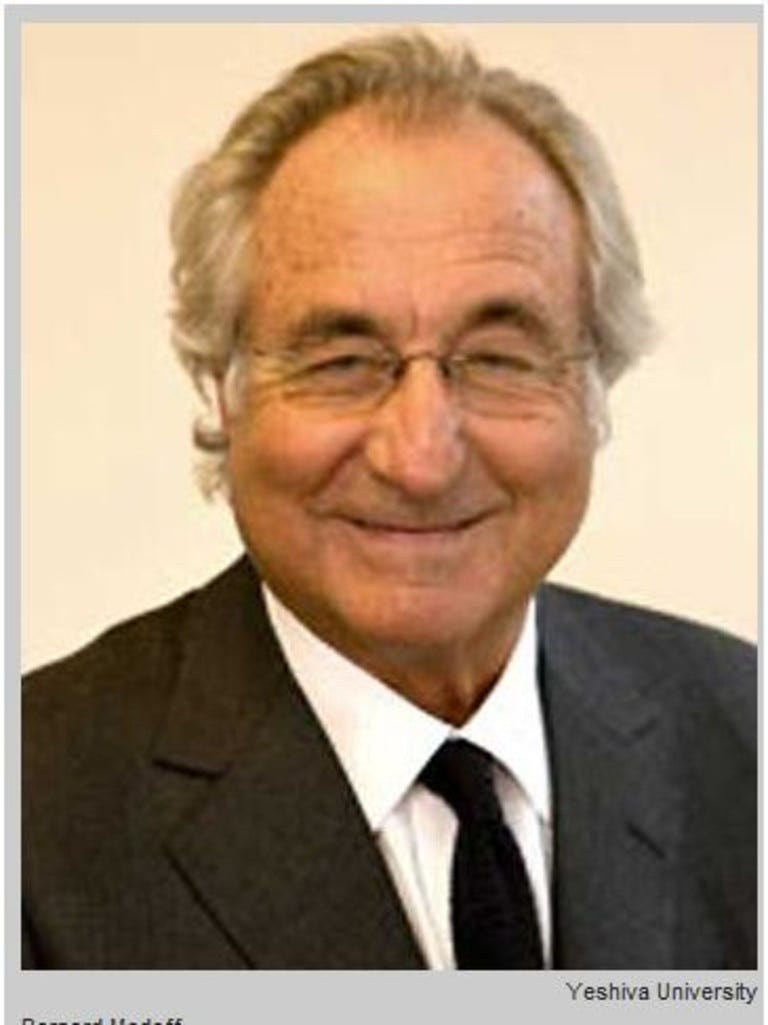
The deeper discomfort is this: their camouflage works because our empathy assumes reciprocity. We expect kindness to be returned, vulnerability to be respected, honesty to be met with honesty. When those expectations are not shared, the asymmetry becomes a kind of trap. Your conscience becomes their cover.
This isn’t a call to suspicion. It’s a reminder that interior life—our own and others’—is not always visible on the surface. The moral world is built on the fragile assumption that most people mean what they seem to mean. When that assumption fails, the failure reveals something about the structure of our trust, not just the character of the person who violated it.
In that sense, the psychopath is less an anomaly than a stress test. They expose the places where our empathy, unguarded, becomes exploitable. They remind us that attention—real, patient, ethically grounded attention—is still our best defense against the masks that pass for faces.
And perhaps, in a strange way, they reaffirm the value of the very qualities they lack. Empathy, reciprocity, conscience—these are not weaknesses. They are the architecture of a shared world. The danger lies not in possessing them, but in assuming everyone else does.