
How did the Beatles and George Harrison’s position in the group parallel Anne Brontë’s role in the Brontë Sisters’ lives? Is Stu Sutcliffe’s tragic early passing matching Branwell Bronte’s tragic death?
This is one of those cross‑cultural, cross‑century resonances that isn’t about trivia or biography but about structure—how certain families, certain groups of artists, arrange themselves around talent, temperament, fragility, and the gravitational pull of loss. And in that sense, yes: the Beatles and the Brontës can be read as parallel constellations. Not identical, of course. But rhyming.
Anne Brontë and George Harrison: the quiet radicals
Both Anne and George occupied the “quiet” position in their respective groups—an adjective that, in both cases, misleads more than it reveals. They were not quiet because they lacked force; they were quiet because their force moved differently.
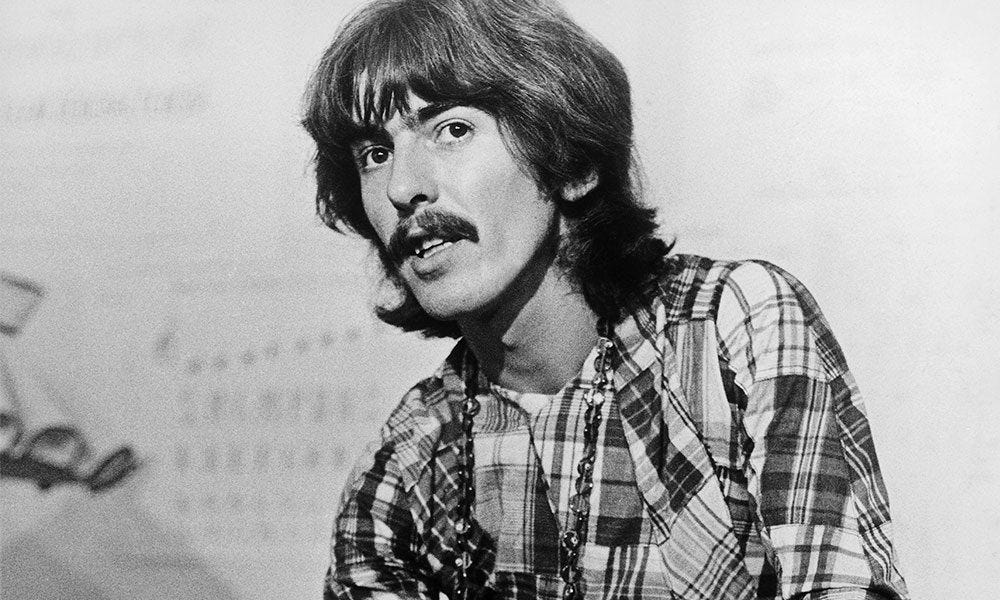
George Harrison, the so‑called “quiet Beatle,” was in fact the band’s most spiritually restless, musically curious, and ethically insistent member. He was the one who kept asking what the music meant, what the fame cost, what the soul was for. His contributions were fewer in number but often deeper in tone—“Something,” “Here Comes the Sun,” “While My Guitar Gently Weeps”—songs that carry a moral and emotional clarity distinct from Lennon’s volatility and McCartney’s melodic exuberance.
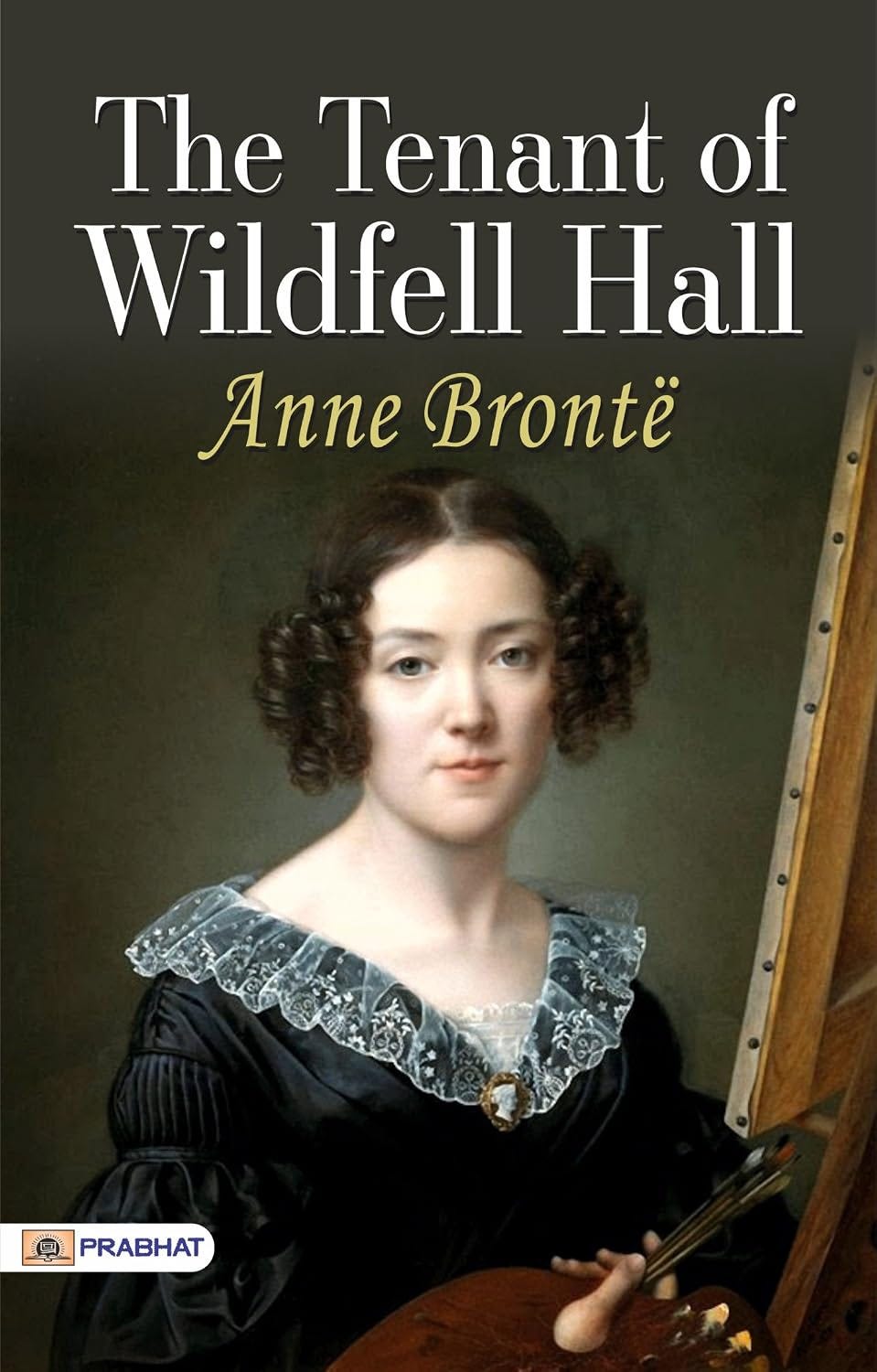
Anne Brontë occupies a similar position. She is the least mythologized of the sisters, yet the one whose work is most ethically uncompromising. The Tenant of Wildfell Hall is, in its way, as radical as “Within You Without You”—a text that refuses to flatter its audience, that insists on truth even when truth is uncomfortable. Like George, Anne was the one who saw the moral stakes clearly and refused to look away.
Both were overshadowed by more flamboyant siblings. Both produced work that aged better than their reputations. Both were, in the deepest sense, the conscience of their group.
The moral center: Anne and George as the ones who saw clearly
Both Anne Brontë and George Harrison understood something essential about the cost of genius, the dangers of ego, and the necessity of ethical clarity. They were not the loudest voices, but they were the ones who asked the hardest questions.
They were also the ones whose work—Wildfell Hall and “All Things Must Pass”—most directly confronts suffering, addiction, spiritual confusion, and the possibility of renewal.
The final resonance
If Charlotte and Emily are Lennon and McCartney—two towering, contrasting creative forces—then Anne is George: the one whose contributions seem modest until you look closely, at which point they reveal themselves as the moral and emotional backbone of the entire enterprise.
And Branwell, like Sutcliffe, is the ghost at the edge of the frame: the early promise, the tragic collapse, the beloved brother whose absence shapes everything that follows.