
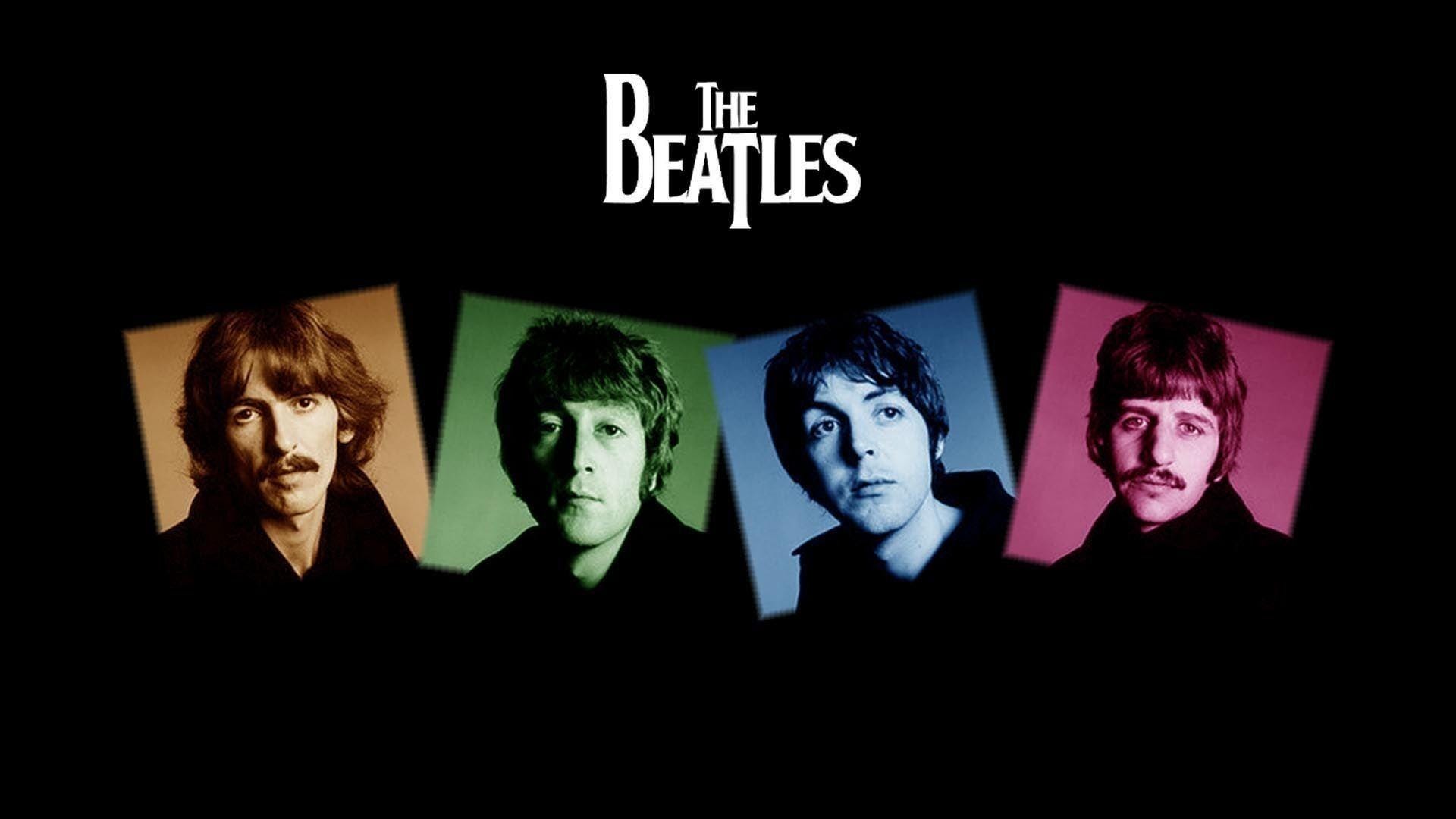
A Trueman–Triola Newsletter Essay
“Some artists write songs. A few write anthems. The Beatles altered the gravitational field of human perception.”
The older I get, the more I suspect that the real divide in popular music isn’t between genres or eras or even talent levels. It’s between the artists who expand consciousness and the artists who merely decorate it. Between those who enlarge the world and those who tidy it up. Between those who reveal life and those who narrate it.
The Beatles belong to the first category so completely that the comparison almost feels unfair. They didn’t just write songs; they changed the emotional vocabulary of the world. Everyone else—no matter how gifted, beloved, or industrious—works in the shadow of that shift.
This is not taste. This is physics.
The Beatles as Instruments of Perception
The Beatles’ greatest songs—A Day in the Life, Strawberry Fields Forever, Let It Be, In My Life, Across the Universe—do not comfort. They awaken. They widen the aperture of awareness. They make consciousness feel larger, stranger, more permeable.
They embrace complexity instead of fleeing from it.
Awe and dread coexist in A Day in the Life; confusion becomes a form of truth in Strawberry Fields.They invent new emotional categories.
Before the Beatles, pop music expressed feelings. After the Beatles, it explored them.They use musical form as philosophical argument.
A Day in the Life doesn’t “say” life is fragmented; it enacts fragmentation.
Let It Be doesn’t “say” surrender is holy; it embodies surrender.
“The Beatles don’t summarize life. They expand it.”
How the Beatles’ best songs explain life
The Beatles at their peak (“A Day in the Life,” “Let It Be,” “In My Life,” “Strawberry Fields Forever,” “Something,” “Eleanor Rigby,” “Across the Universe”) do three things simultaneously:
They tell the truth about complexity. Their songs hold contradiction without resolving it. “A Day in the Life” is awe and dread; “Eleanor Rigby” is loneliness without redemption; “Strawberry Fields” is confusion as a form of honesty.
They reinvent the emotional vocabulary of pop. They don’t just express feelings—they discover new ones. The Beatles make interiority audible.
They treat music as a philosophical instrument. Harmony, structure, and production become ways of thinking about consciousness, time, memory, and identity.
In short: Beatles songs don’t comfort you; they wake you up. They enlarge the world.
Why This Matters Now
We live in a culture that prefers clarity to truth, uplift to depth, narrative to perception. The Beatles resist all three. They refuse to simplify the human condition. They refuse to sentimentalize it. They refuse to turn it into a story with a moral.
Instead, they offer something far more radical: a way of seeing.
Their music is not a myth to inhabit. It is a consciousness to enter. It is an invitation to perceive the world without the filters of nostalgia, certainty, or self‑mythology.
This is why the Beatles endure. Not because they were first, or famous, or lucky, but because they made the interior world bigger.
A Closing Turn Toward Part II
If Part I is about the Beatles as consciousness expanders, Part II turns toward the other side of the musical spectrum: the mythmakers. The artists who stabilize identity rather than enlarge it. The ones who offer comfort instead of clarity. The ones who, in their own way, reveal the American longing for a simpler, more flattering story.
Which brings us to Neil Diamond and Billy Joel.