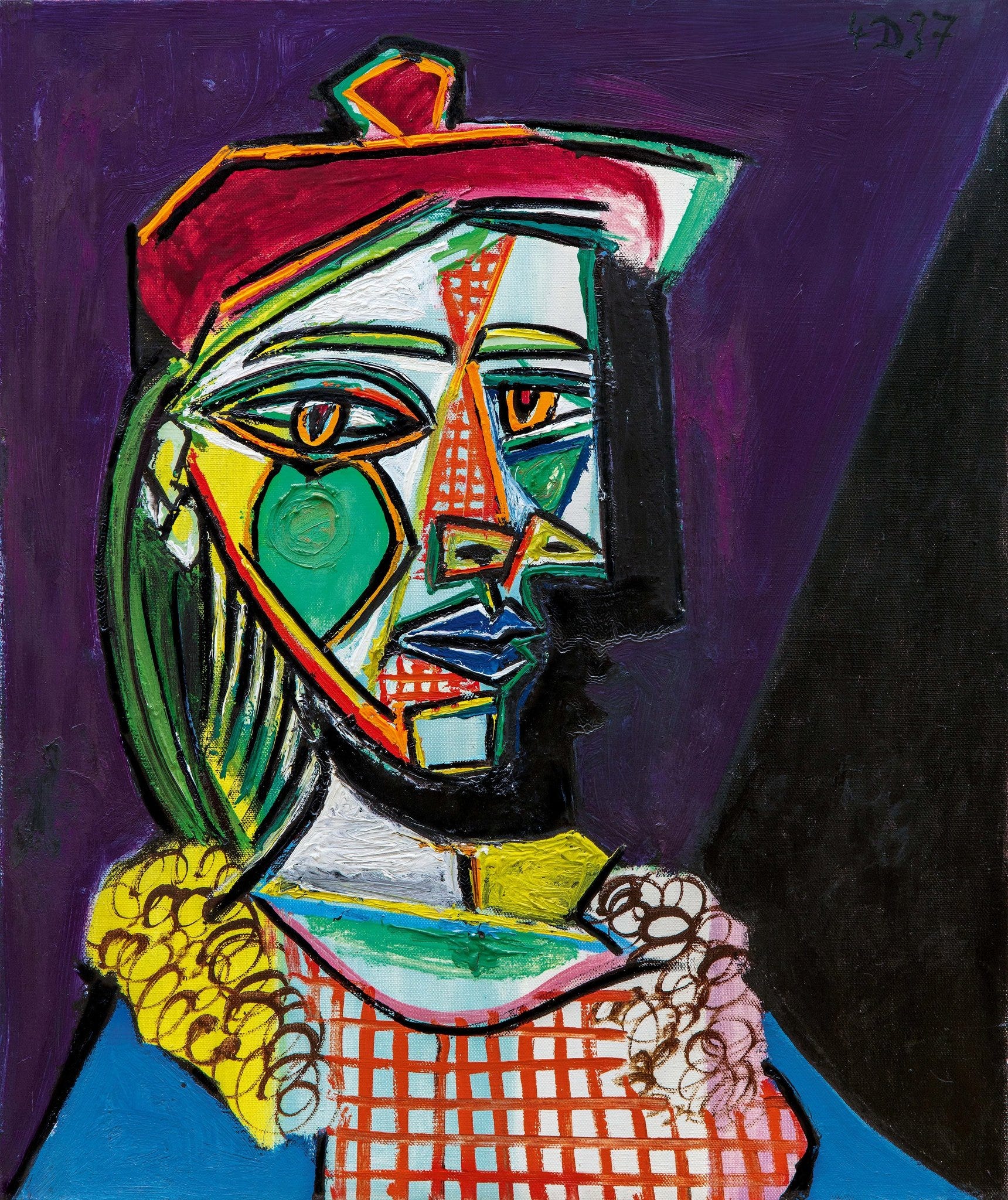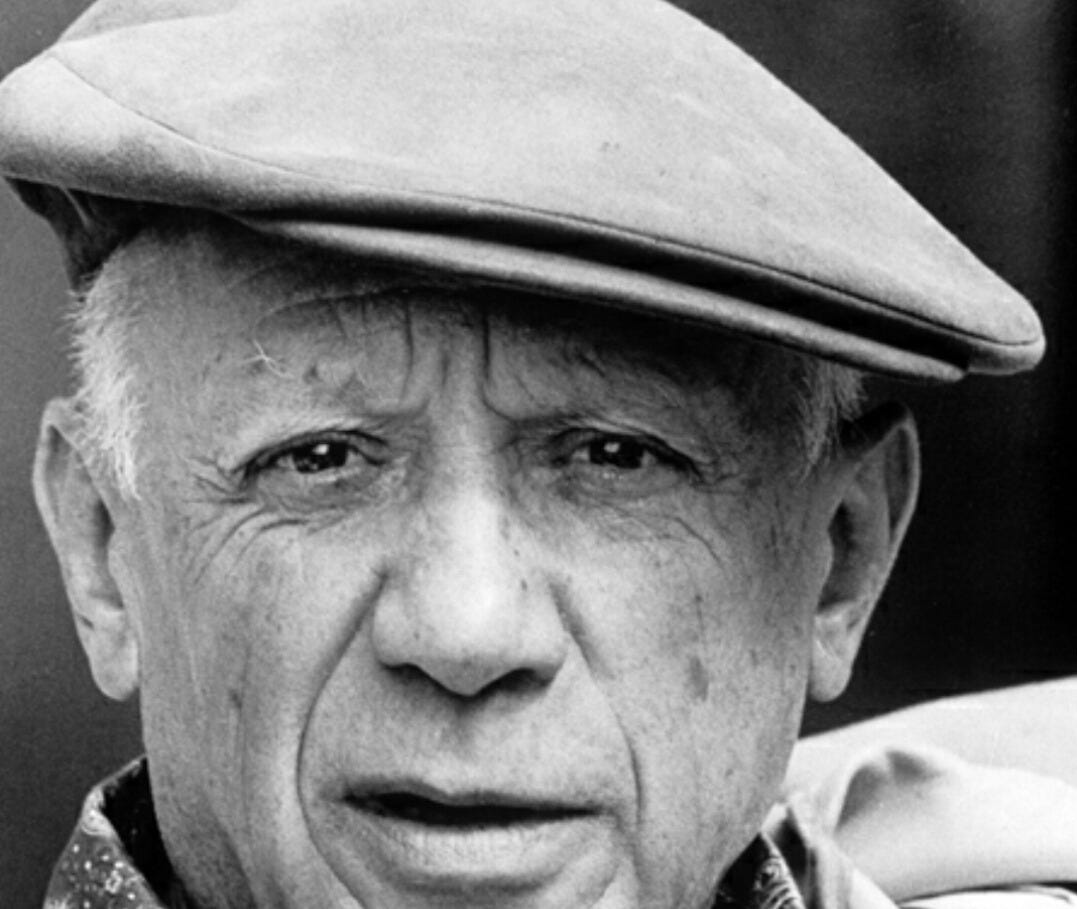
Picasso’s twin dicta—inspiration must find you working and luck must find you working—sound like two versions of the same shrugging wisdom. But they aren’t identical. They trace two different emotional geographies of the creative life, two different ways of naming the mysterious forces that seem to arrive from outside us and yet depend entirely on what we’re doing when they show up.**
🖼️ Inspiration: the visitation that requires a host
Picasso’s “Inspiration exists, but it has to find you working” is a statement about interiority—the state of the artist’s mind, the readiness of the imagination, the slow warming of the inner instrument. Inspiration in this framing is almost theological: a spirit that arrives, a spark that leaps, a sudden coherence of feeling and idea. But it is not democratic. It does not visit the idle.
The working artist—brush in hand, fingers on keys, mind in motion—is like a lighthouse keeper tending the lamp. The light may flare or dim, but the keeper’s presence is what makes the flare possible. Inspiration is not earned, exactly, but it is invited by the discipline of showing up.
This is the version of Picasso that speaks to devotion: the daily return to the studio, the willingness to be bored, the humility of repetition. Inspiration is the reward for fidelity.
🍀 Luck: the world’s accidents meeting your readiness
When Picasso swaps “inspiration” for “luck,” the center of gravity shifts outward. Luck is not interior; it is circumstantial. It is the world’s randomness brushing against your trajectory. It is the unexpected visitor, the chance encounter, the moment of serendipity that could not have been planned.
But again, Picasso insists: luck must find you working.
This is a statement about positioning—about being in motion, being engaged, being visible to the world’s accidents. Luck is not metaphysical; it is ecological. It emerges from the network of actions you’ve already taken. You meet the right collaborator because you were already immersed in the work. You stumble on the right idea because you were already wrestling with the wrong ones.
Luck is the reward for participation.
🔧 Where they overlap
Both statements reject the fantasy of the passive genius. Both insist that creativity is not a lightning strike but a preparedness—a posture of attention, a willingness to labor without guarantee. Whether the visitor is inspiration or luck, the door must be open, and the artist must be awake.
Both statements also honor the mystery of creation. Picasso is not claiming that hard work produces inspiration or luck. He is saying that hard work makes you available to them. Creativity is a collaboration between effort and accident.
🌒 Where they diverge
The difference is subtle but important:
Inspiration is inward: a psychological or spiritual event.
Luck is outward: a circumstantial or social event.
Inspiration is about the mind’s readiness. Luck is about the world’s timing.
Inspiration is the muse. Luck is the encounter.
Inspiration is the moment the painting suddenly reveals itself. Luck is the moment the right buyer, critic, or patron walks into the room.
Picasso’s two aphorisms together form a kind of diptych: one panel devoted to the inner life of the artist, the other to the outer world in which the artist must survive.
🌱 A closing reflection for the newsletter
What Picasso understood—and what every working artist eventually learns—is that the creative life is neither purely mystical nor purely mechanical. It is a dance between devotion and contingency. You show up every day not because inspiration is guaranteed, but because it becomes possible. You work not because luck is predictable, but because it becomes likely.
Inspiration is real. Luck is real. But neither one is generous to the idle.