
Epigraph “Democracy is not a machine; it is a fragile agreement to believe one another.” — Rebecca Solnit
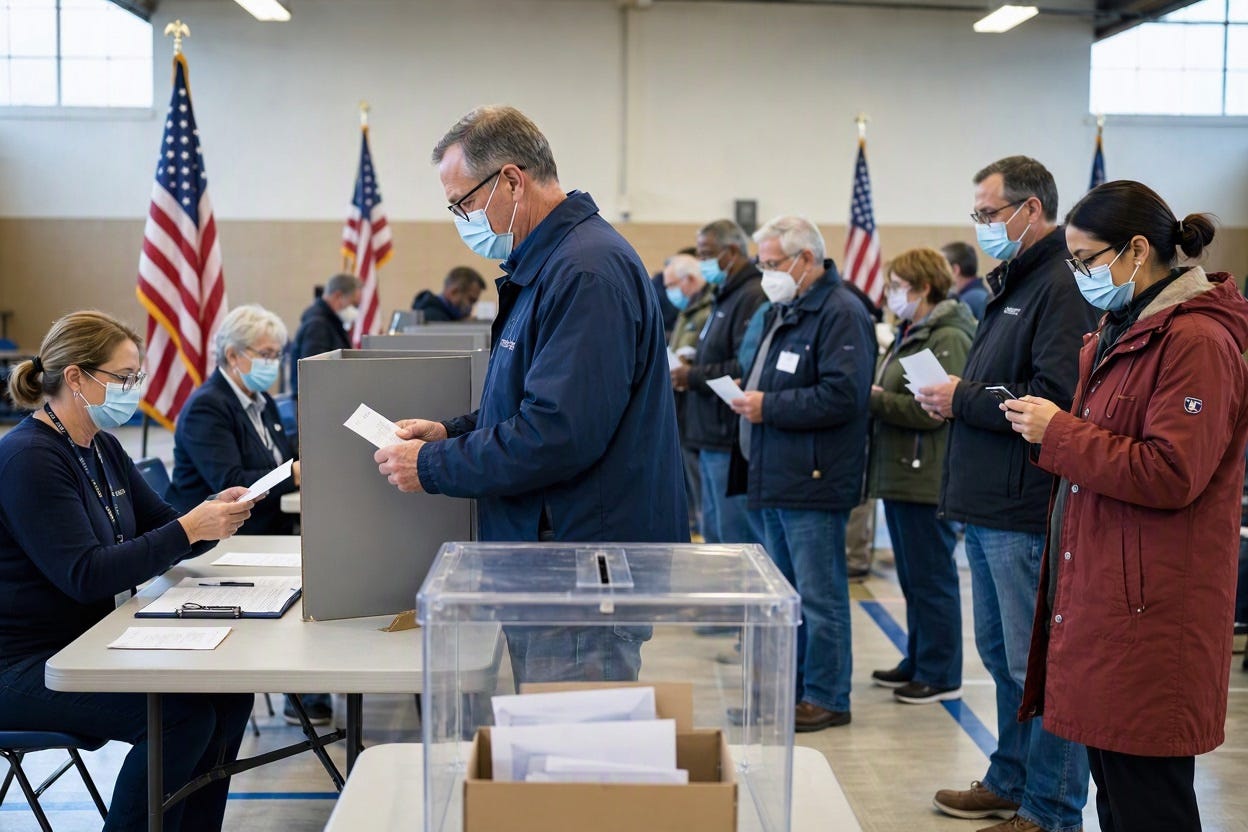
The question of how midterm elections are protected—how cheating is prevented, how genuine results are preserved—lands at the center of our civic imagination. It is a question about machinery, yes, but also about trust, transparency, and the distributed nature of American self‑governance. The answer, in its simplest form, is that the safeguards are extensive because they are layered, decentralized, and designed to make manipulation both difficult and detectable.
American elections are administered not by a single federal authority but by more than eight thousand local jurisdictions, each with its own procedures, bipartisan oversight, and public reporting requirements. This decentralization is not a flaw; it is the system’s greatest strength. There is no central switch to flip, no single point of failure. Every county counts its own ballots, publishes its own precinct‑level results, and certifies its own totals in public meetings that include observers from both major parties.
Paper ballots form the backbone of this architecture. More than ninety percent of votes cast in recent cycles produce a voter‑verified paper record, allowing hand recounts, risk‑limiting audits, and cross‑checks against machine tabulations. These audits—mandatory in many states—are designed to detect both accidental errors and intentional manipulation. They are statistical instruments of trust, verifying outcomes without relying on any single machine or software system.
Security protections extend beyond the ballots themselves. Tabulation systems are air‑gapped, meaning they are not connected to the internet. Ballots and machines follow strict chain‑of‑custody protocols. Tamper‑evident seals, logs, and bipartisan observers accompany every meaningful step. Federal agencies such as the Cybersecurity and Infrastructure Security Agency monitor for intrusions and provide real‑time threat intelligence to states. The system is built to resist interference, but equally important, it is built to reveal it.
Transparency is not ornamental; it is structural. Counting rooms are often live‑streamed. Canvassing boards meet publicly. Campaigns, media outlets, watchdog groups, and independent analysts all track results as they emerge. If a county’s totals diverged from expected patterns, the discrepancy would be visible immediately. You cannot hide results in a system where thousands of independent actors publish them simultaneously.
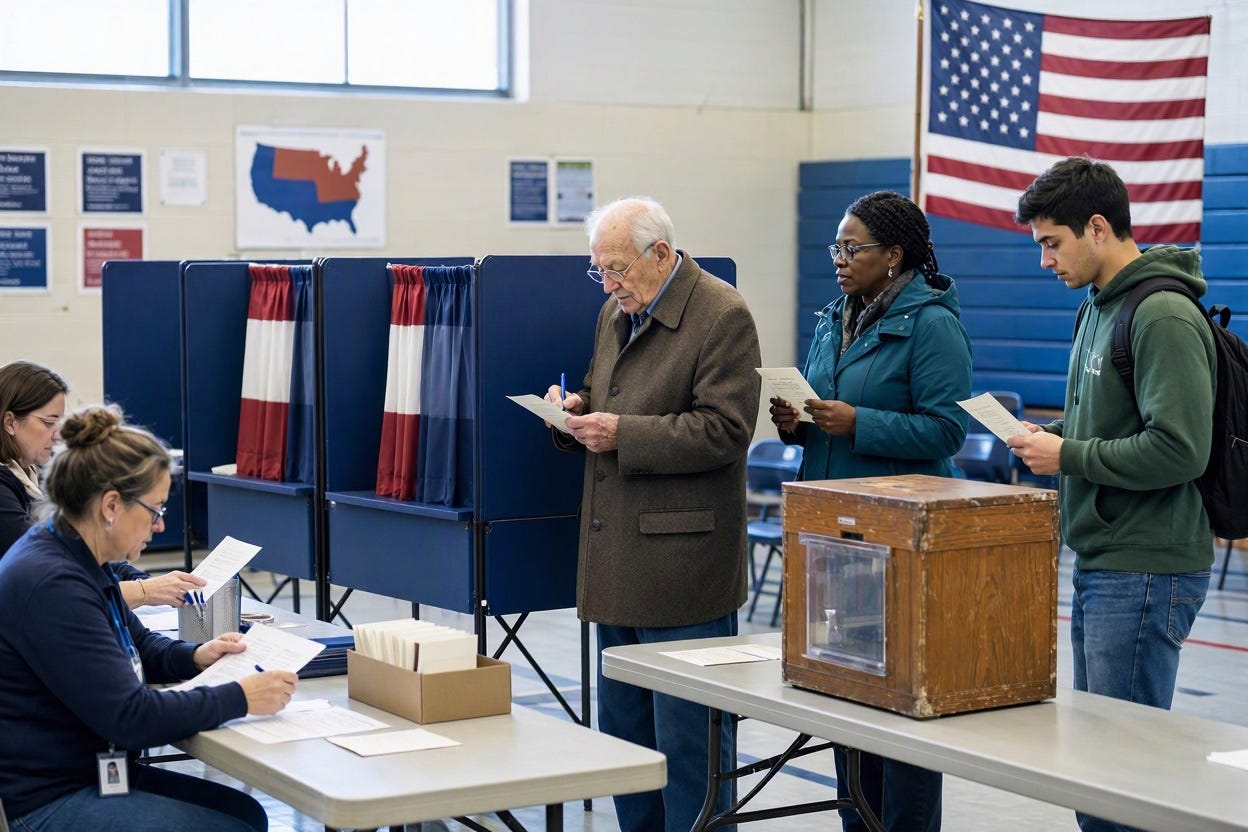
Courts provide another layer of protection. Any irregularity—missing ballots, suspicious totals, procedural violations—can trigger review at the state or federal level. Both parties litigate aggressively, and judges routinely intervene when necessary. The legal system is not perfect, but it is active, responsive, and deeply intertwined with election administration.
The deeper truth, however, is that the greatest threat to elections is not stolen votes but stolen trust. Safeguards protect the vote; rhetoric threatens belief in the vote. When political actors claim fraud without evidence, they erode confidence in a system designed to be transparent, auditable, and resilient. The machinery of democracy is strong, but the agreement to believe one another requires constant tending.
As always, you should confirm election‑related information with trusted, nonpartisan sources.