
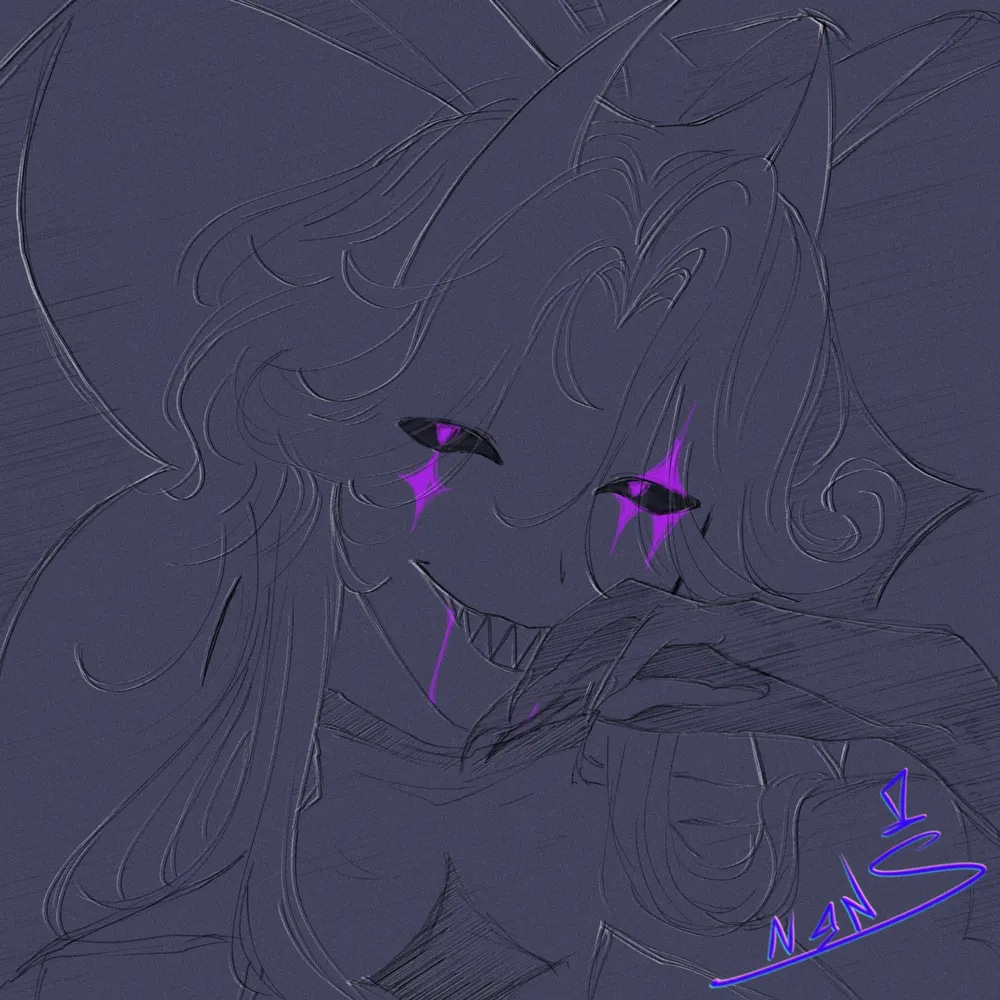
Shenpagne’s recurring figures—especially the blue jester Cyne—embody a paradox: they’re playful, mischievous, and theatrical, yet the art is suffused with tenderness. That combination mirrors a common relational pattern:
People often use humor or performance to mask vulnerability.
The jester becomes a stand‑in for the partner who “keeps things light” to avoid deeper emotional exposure.
But Shenpagne’s jesters invite affection—they’re drawn with warmth, softness, and a kind of emotional permeability.
In other words, the art suggests that playfulness isn’t the opposite of intimacy; it’s often the doorway into it.
🎪 2. The Circus as a Relationship Ecosystem
The circus is a perfect metaphor for relational complexity:
Multiple roles (doctor, ticket taker, harlequin, jester) echo the shifting roles partners take on in long relationships.
Exaggerated costumes and expressions reflect how couples sometimes amplify or stylize parts of themselves to be seen.
The circus tent becomes a shared emotional space—chaotic, colorful, unpredictable, but also communal.
Shenpagne’s feed shows characters gifting affection, revisiting each other, and being redrawn with new nuance. That rhythm mirrors how relationships require continual re‑seeing and re‑imagining of the other.
3. The Aesthetic of “Sending Love”
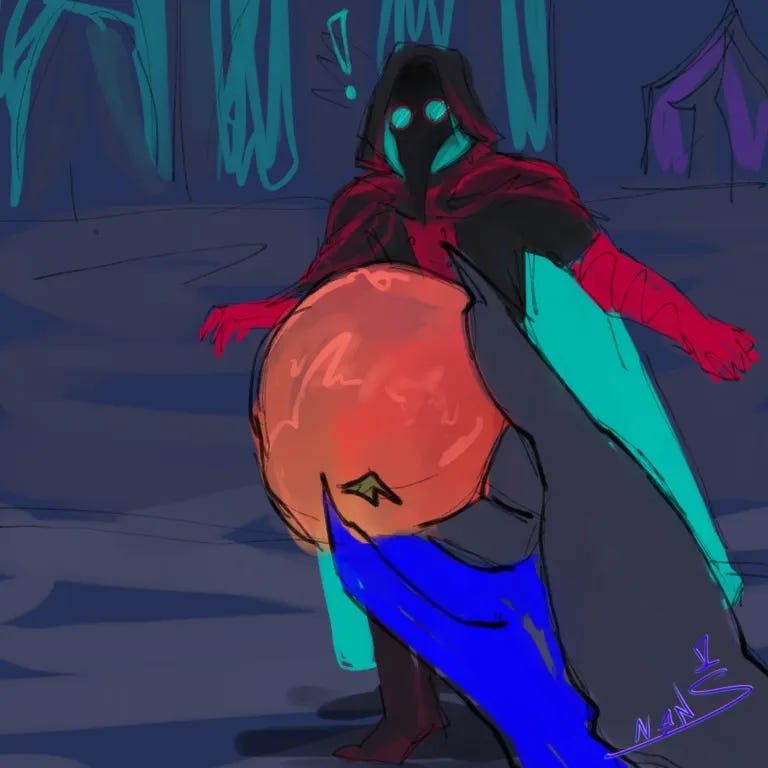
A striking pattern in the posts is the repeated motif of “sending love,” “sharing the love,” “giving some love,” and affectionate exchanges between OCs and other artists’ characters .
This is relationally significant:
Affection is portrayed as a renewable resource, not a scarce one.
Love is shown as an act of creative generosity, not obligation.
Characters are drawn into each other’s worlds, suggesting that intimacy is partly the willingness to inhabit someone else’s imaginative space.
For couples, this maps onto the idea that relationships thrive when partners actively create small rituals of affection—tiny valentines, sketches, gestures, inside jokes.
🎨 4. The Messiness of Sketches as Emotional Honesty
Shenpagne often posts WIPs, messy sheets, half‑finished hands, and self‑aware comments about imperfections (“I’m not even questioning the hand anymore 😔”) .
This is quietly profound:
Relationships are built on unfinishedness.
Imperfection becomes a site of intimacy rather than shame.
Showing the draft version of oneself—the unpolished emotional sketch—is often what deepens connection.
The art models a relational ethic: “Here I am, not perfect, but present.”
🎭 5. The Trickster as a Figure of Desire and Ambivalence
Characters like Cyne are described as “a trickster perhaps? Or a fool after your heart, dear visitor..?” .
This duality—seductive and foolish, confident and insecure—mirrors the emotional ambivalence many people feel in relationships:
Wanting closeness but fearing exposure
Performing confidence while craving reassurance
Using charm to negotiate vulnerability
Shenpagne’s art doesn’t resolve this tension; it honors it. That’s psychologically astute.
🌟 6. Community as a Model for Relational Repair
The feed is full of fan‑art exchanges, mutual appreciation, and collaborative character‑building. This suggests a relational truth:
Healthy relationships don’t exist in isolation.
Community—friends, creative partners, shared worlds—supports and stabilizes intimacy.
The “circus” becomes a metaphor for the social ecology that helps couples thrive.
If we bring this back to our broader interests
Shenpagne’s art offers a surprisingly rich visual grammar for those themes:
Play as a mode of truth
Masks that reveal rather than conceal
Characters who are both exaggerated and emotionally sincere
A world where affection is abundant and performative without being false
It’s a reminder that relationships are not linear psychological processes—they’re theatrical, improvisational, and deeply aesthetic.