
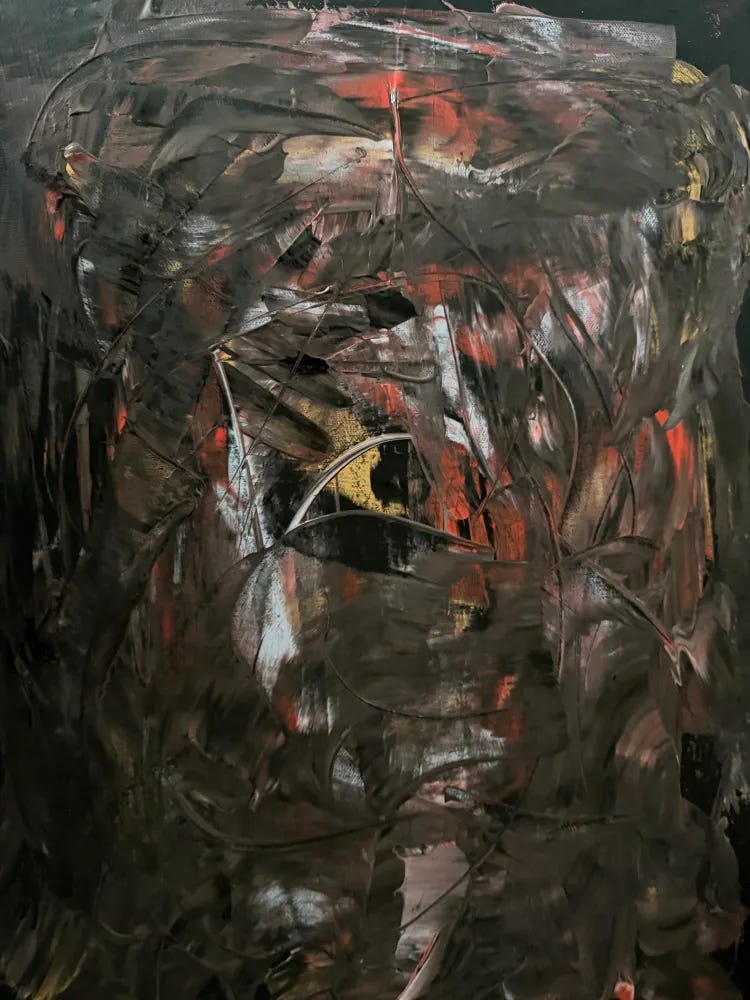
There are artists who take photographs, and then there are artists who use the camera the way a poet uses a line break: as a hinge between worlds. Lauren Oujiri belongs firmly to the latter. Her work doesn’t simply document; it metabolizes. It treats the photographic image as raw material—something to be folded, scraped, layered, and reimagined until it becomes less a record of the visible world and more a site of inquiry.
Oujiri’s practice sits in that increasingly vital space where photography meets collage, drawing, printmaking, and the tactile improvisations of mixed media. The result is not fusion for its own sake but a kind of visual ethics: a belief that no single medium is sufficient to hold the complexity of lived experience. Her images feel like they’ve been lived with, argued with, and ultimately befriended.
Where the Photograph Ends and the Artwork Begins
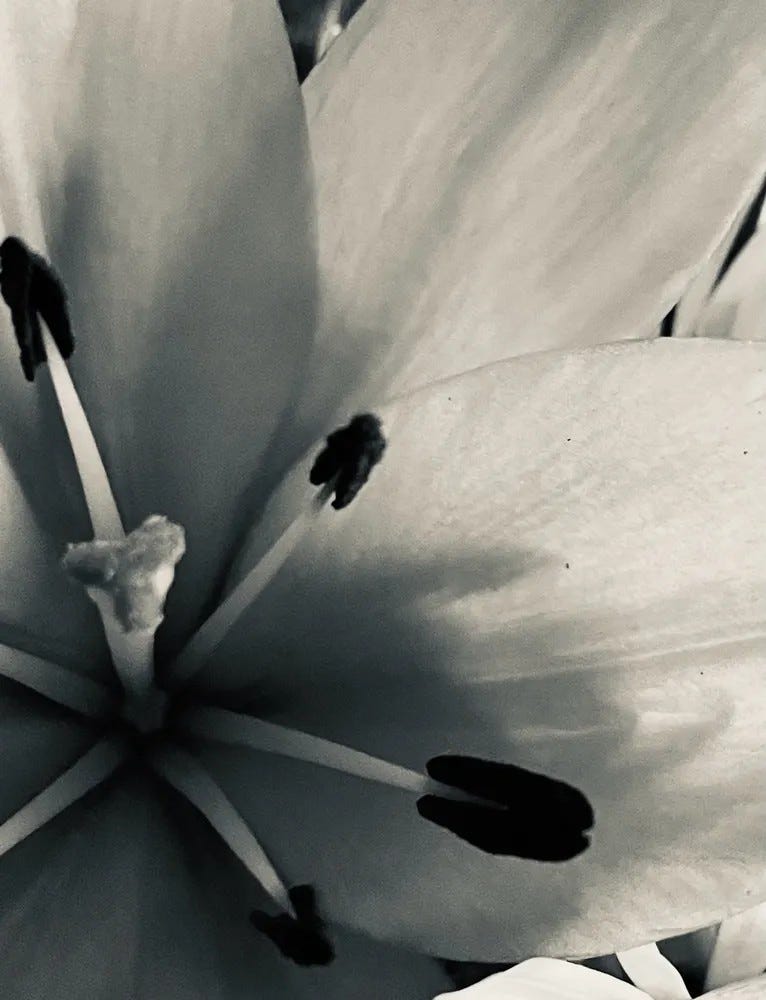
Oujiri often begins with a photograph—sometimes crisp, sometimes intentionally degraded—then intervenes. She paints into the frame, overlays translucent textures, or cuts and reassembles the image until the original referent becomes a ghostly presence. The photograph remains, but it is no longer sovereign. It becomes one voice in a polyphonic field.
This is the quiet rebellion at the heart of her work: the refusal to let the camera dictate the terms of reality. Instead, she treats the photographic moment as provisional, a starting point for a more expansive conversation between mediums.
A Practice of Repair and Reimagining
There is a tenderness in Oujiri’s hybrid pieces—a sense that she is not merely altering images but tending to them. The added marks, textures, and layers feel like acts of care, or perhaps of reclamation. In a culture that often treats photographs as definitive evidence, Oujiri’s work insists on the opposite: that images are fragile, permeable, and in need of ongoing interpretation.
Her blending of mediums becomes a metaphor for the way memory works—never singular, never static, always revised by the present moment.
The Cosmopolitan Gesture
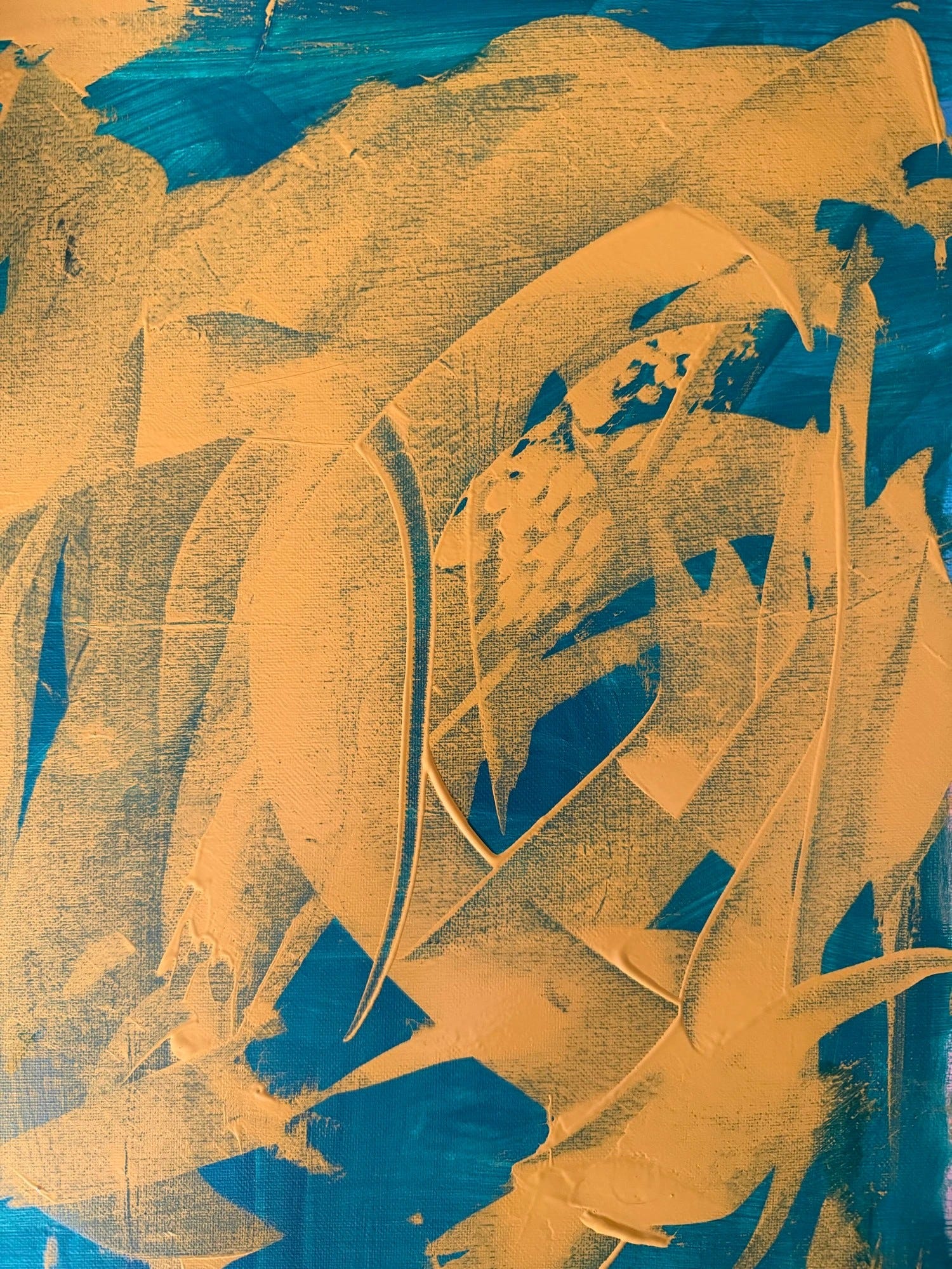
What makes Oujiri’s work resonate with the Trueman–Triola sensibility is its refusal of certainty. She invites viewers into a space where the boundaries between mediums—and between perception and imagination—are porous. The work asks us to slow down, to inhabit ambiguity, to consider that the truth of an image may lie not in what the camera captured but in what the artist dared to add.
In this way, Oujiri’s hybrid practice becomes a small act of civic generosity. It reminds us that complexity is not a flaw but a feature of human experience. That beauty often emerges from the layered, the contested, the imperfectly reconciled.
Toward a More Expansive Seeing
In an era saturated with images, Oujiri’s work offers a counter-instruction: look again. Look longer. Look past the surface. Her blending of photography with other visual forms is not a stylistic flourish but a philosophical stance—a belief that seeing is an active, ethical practice.
And perhaps that is the quiet gift of her art: it teaches us that the world is not finished. That every image, like every life, contains room for revision, imagination, and grace.
laurenoujiri.com