
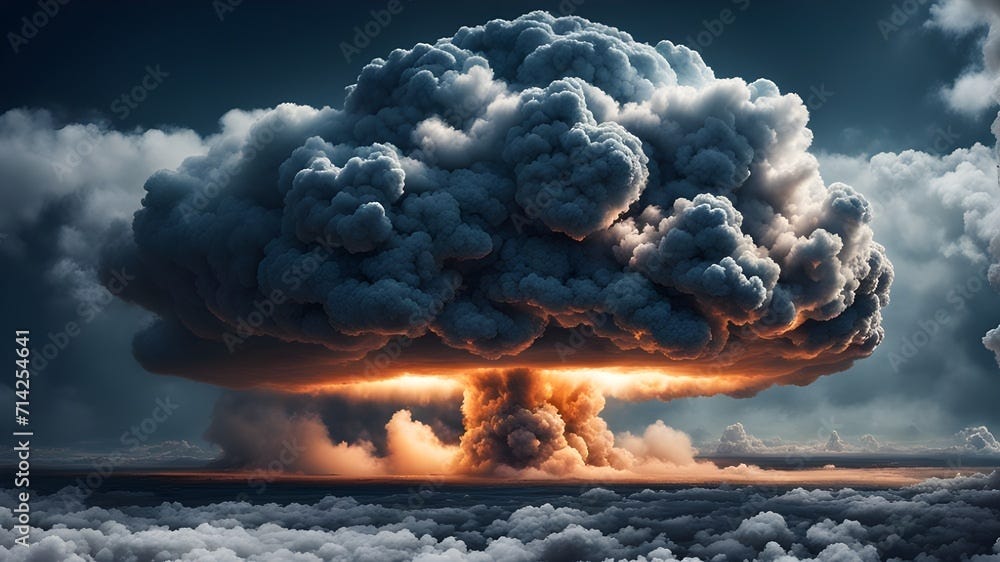
Epigraph: “Power is rarely hypocritical by accident; it is hypocritical because hypocrisy is useful.” — Anonymous diplomat, 1968
The debate over who may possess nuclear weapons — and who must be denied them — is never just about warheads, treaties, or strategic doctrine. It is about legitimacy. It is about whether the global order is built on principles or on power. And it is about whether rules can endure when they apply only to the weak and never to the strong.
The most compelling argument against a nuclear‑armed superpower telling a smaller nation that it must not be allowed to have any nuclear weapons is simple: a non‑proliferation regime cannot survive if it is selectively enforced. When the nation with the largest arsenal insists that others must remain permanently vulnerable, the system begins to look less like a framework for peace and more like a hierarchy designed to preserve dominance.
Selective Prohibition Is Not Peacekeeping — It Is Power Politics
The Nuclear Non‑Proliferation Treaty (NPT) was built on a bargain: the nuclear powers would move toward disarmament, and non‑nuclear states would refrain from developing weapons. But when disarmament stalls — or reverses — the bargain frays. If the most heavily armed nation continues modernizing its arsenal while telling a smaller nation that even a minimal deterrent is unacceptable, the moral foundation of the treaty erodes.
Rules that bind only the weak are not rules; they are instruments of coercion.
The Deterrence Paradox
Recent history has made one fact painfully clear: nuclear weapons deter invasion. Iraq had none — and was invaded. Libya dismantled its program — and its regime fell. Ukraine surrendered inherited Soviet nukes — and was attacked twice. North Korea built a small arsenal — and has not been invaded.
This creates a perverse incentive. If nuclear weapons are the only reliable protection against regime change, then forbidding them to certain states looks less like promoting stability and more like preserving the freedom to act militarily without facing nuclear consequences.
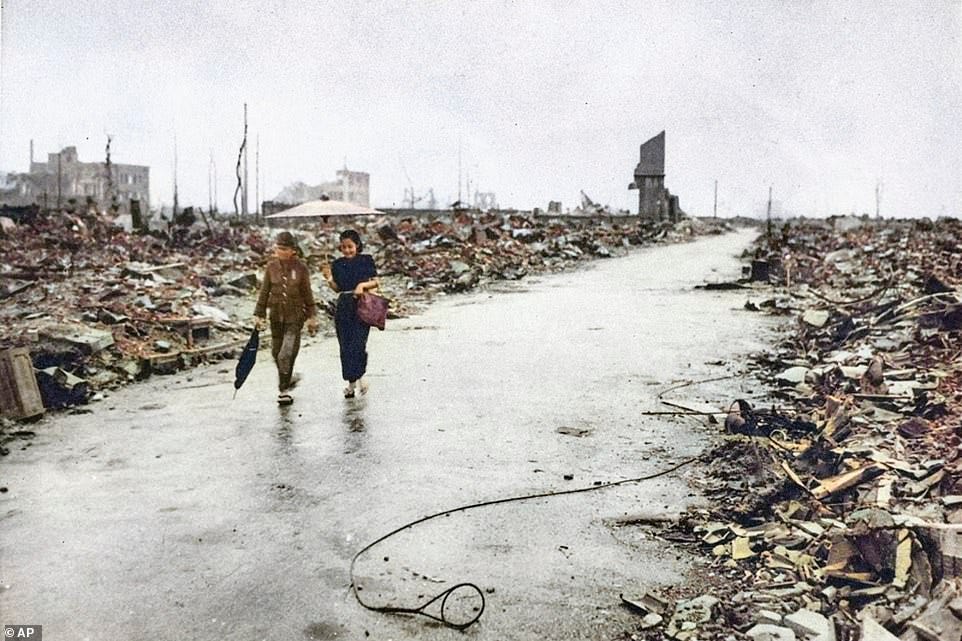
Sovereignty and the Principle of Equal Rights
Under international law, nations are sovereign equals. If nuclear weapons are legal for some, they are legal for all — unless a nation voluntarily signs away that right. When a superpower insists that one particular state must remain uniquely defenseless, it violates the principle of sovereign equality and replaces law with geopolitical preference.
The Hypocrisy Problem
The United States and Russia hold more than 90 percent of the world’s nuclear weapons. Critics argue that if these states want others to disarm, they must lead by example. Otherwise, demands for non‑proliferation ring hollow. A world in which the largest arsenals grow while smaller nations are told they must remain permanently exposed is not a world governed by principle — it is a world governed by convenience.

Toward a More Honest Conversation
The strongest argument against selective nuclear prohibition is not that every nation should have nuclear weapons. It is that no stable order can be built on a foundation of double standards. If the goal is genuine non‑proliferation, then the path must begin with reciprocal commitments, not unilateral demands. If the goal is stability, then it must be pursued through fairness, not through permanent vulnerability imposed on the less powerful.
The world has lived for decades with the uneasy truth that nuclear weapons both threaten humanity and prevent certain wars. But it cannot live indefinitely with a system in which the powerful claim a monopoly on deterrence while insisting that others trust in promises that history has repeatedly broken.