
“Attention is the rarest and purest form of generosity.” — Simone Weil
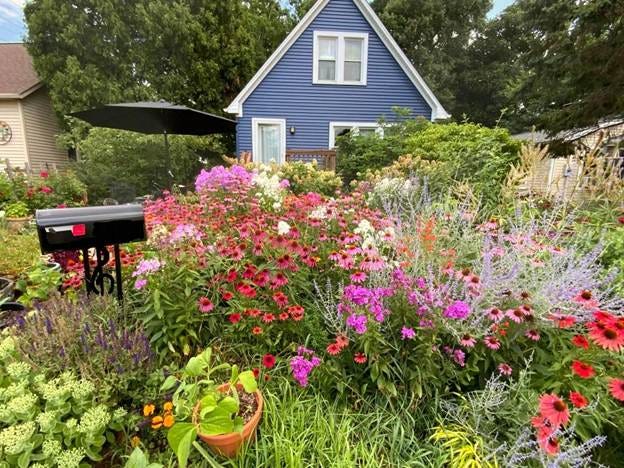
The Front Garden, 7/24/2026
What strikes us most about the @larrysart.bsky.social Bluesky page is how insistently it teaches a particular form of intelligence—one that has nothing to do with cleverness, argument, or virtuosity. The site models intelligence as a way of being in the world: attentive, relational, ecological, and devotional. It is a feed that thinks through flowers, light, weather, and shared artistic practice. And in doing so, it offers a quiet manifesto for what intelligence means for an artist and an activist.
The first lesson is that intelligence begins with noticing. The page is filled with crocosmia, hyssop, foxglove, backyard portals, shifting skies, and small daily rituals of looking. These are not decorative details; they are acts of perception. They train the mind toward nuance, toward the fragile and the interconnected. For an activist, this is foundational. Without perceptual intelligence—without the ability to see what is overlooked—political imagination collapses into abstraction or ideology.
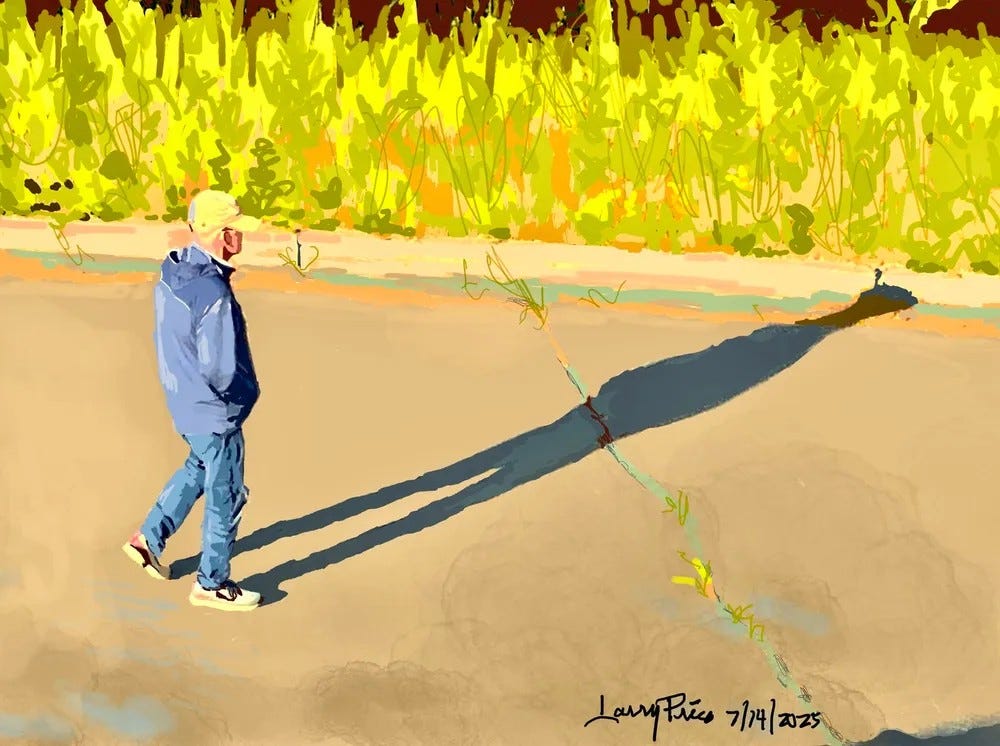
Steve Takes His Shadow For A Walk, 7/14/2026
The second lesson is that intelligence is relational. The feed is a web of mutual attention: reposts, shared challenges, daily practices, artists amplifying one another’s work. Intelligence here is not solitary brilliance but participation. It is the willingness to be shaped by others, to respond, to uplift. Activism grounded in relational intelligence resists the myth of the lone hero; it becomes a communal craft.
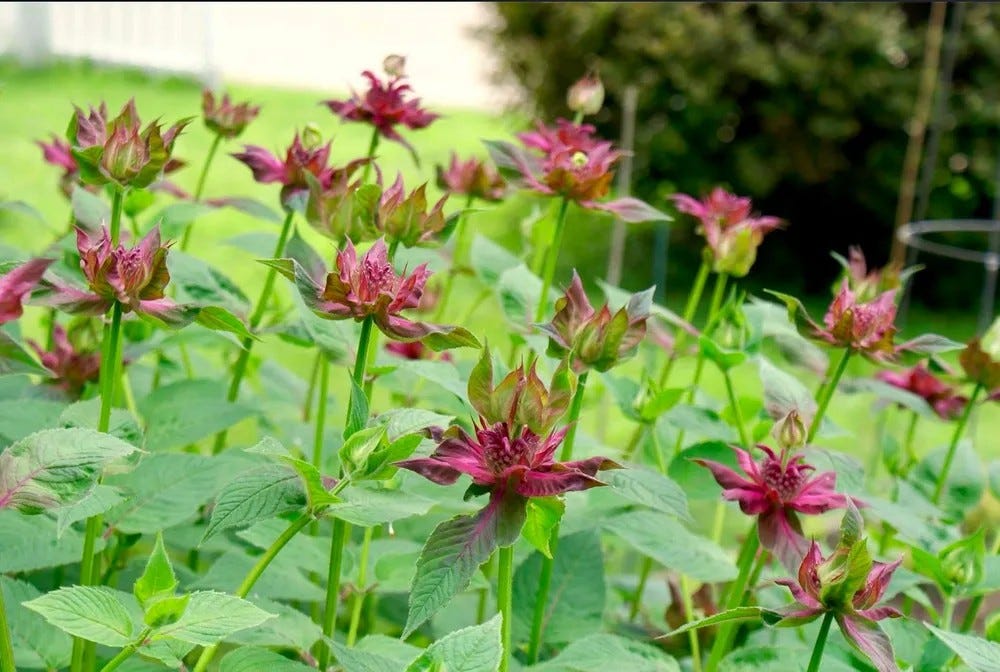
Bee Balm Balming, 6/29/2026
The third lesson is that intelligence is ecological. The garden posts are not merely aesthetic; they are forms of ecological literacy. They reveal a mind attuned to growth, seasonality, pollinators, resilience. This is political intelligence in its most grounded form—an understanding that the world is not a stage for human drama but a living system requiring care.
The fourth lesson is that intelligence is iterative. The page shows works-in-progress, abandoned attempts, daily paintings, experiments, and failures. Intelligence here is not genius but devotion to practice. It is the slow accumulation of attempts, the humility of starting again. Activism, too, is iterative—campaigns, conversations, setbacks, revisions. The feed models this rhythm without ever naming it.
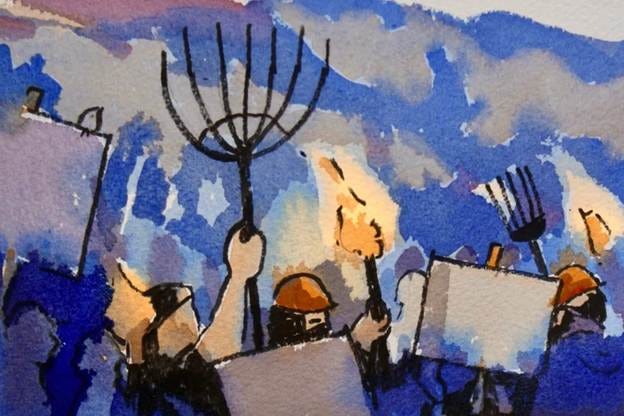
Breaking Point, 7/23/2026
And finally, the site teaches that intelligence is ethical attention. Its tone is gentle, generous, and non-spectacular. It refuses outrage cycles and performative politics. Instead, it enacts a contemplative rhythm—a refusal to let attention be hijacked by spectacle. This is a politics of care, a form of resistance that begins with how one looks.
Taken together, the page argues that the most important aspect of intelligence for an artist–activist is not what one knows but how one sees. Intelligence is presence. Intelligence is devotion. Intelligence is the cultivation of perception that makes the world more visible, more bearable, more interconnected.
In this sense, the feed is a garden twice over: a garden of images and a garden of ways of seeing. It teaches that intelligence is not a performance but a practice—one rooted in beauty, reciprocity, and the quiet courage of paying attention.