
“The world is full of magical things patiently waiting for our wits to grow sharper.” —Eden Phillpotts
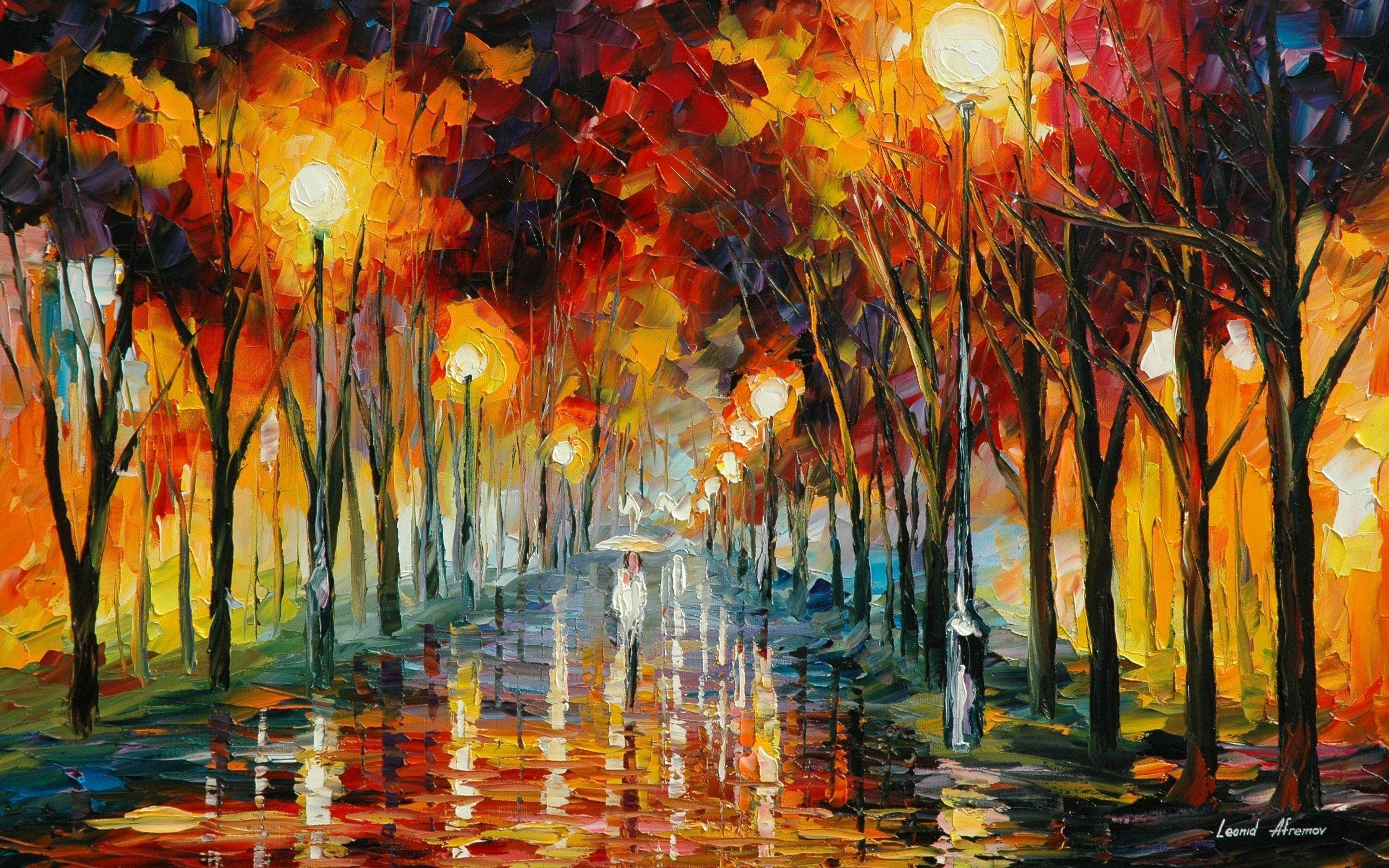
The most important quality of intelligence an artist can possess is attentive receptivity—a mind trained not merely to think, but to notice. Psychologists sometimes call this “high-fidelity perception,” the ability to register subtle patterns in experience without flattening them into cliché or rushing them into premature interpretation. Artists across disciplines rely on this form of intelligence more than any other, because it is the one that keeps the world alive to them.
Attentive receptivity is not passive. It is an active, almost athletic openness. It requires stamina, because the world is relentless in its complexity. It requires humility, because the artist must continually admit that reality exceeds their assumptions. And it requires courage, because to truly notice something is to risk being changed by it.
Consider how this intelligence manifests across artistic fields.
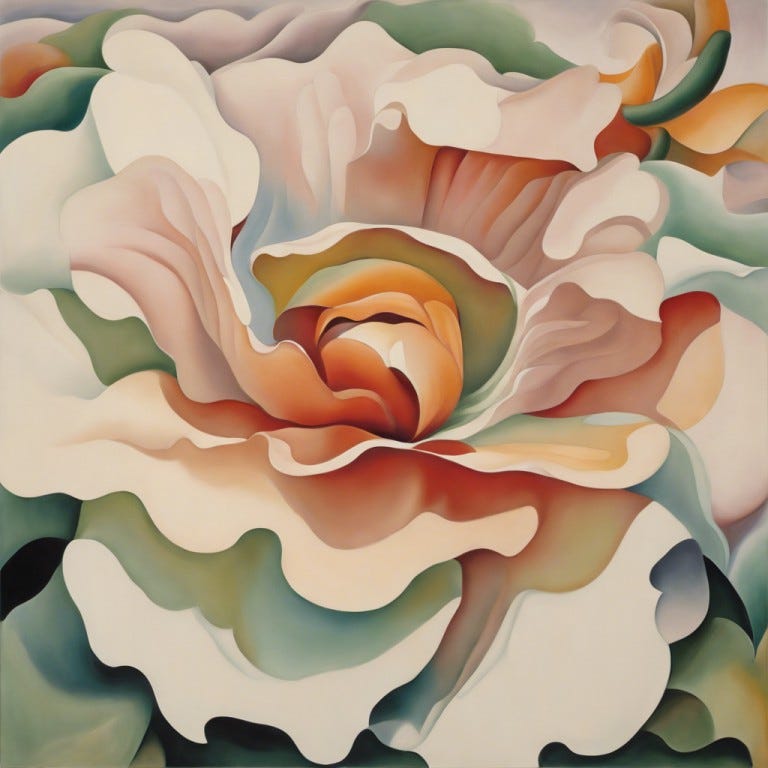
In painting, Georgia O’Keeffe’s attentiveness was a kind of devotional seeing. She didn’t paint flowers large to shock or seduce; she painted them large because she perceived intimacy at a scale most people never pause long enough to feel. Her intelligence was not conceptual—it was perceptual, a sensitivity to the quiet drama of form.
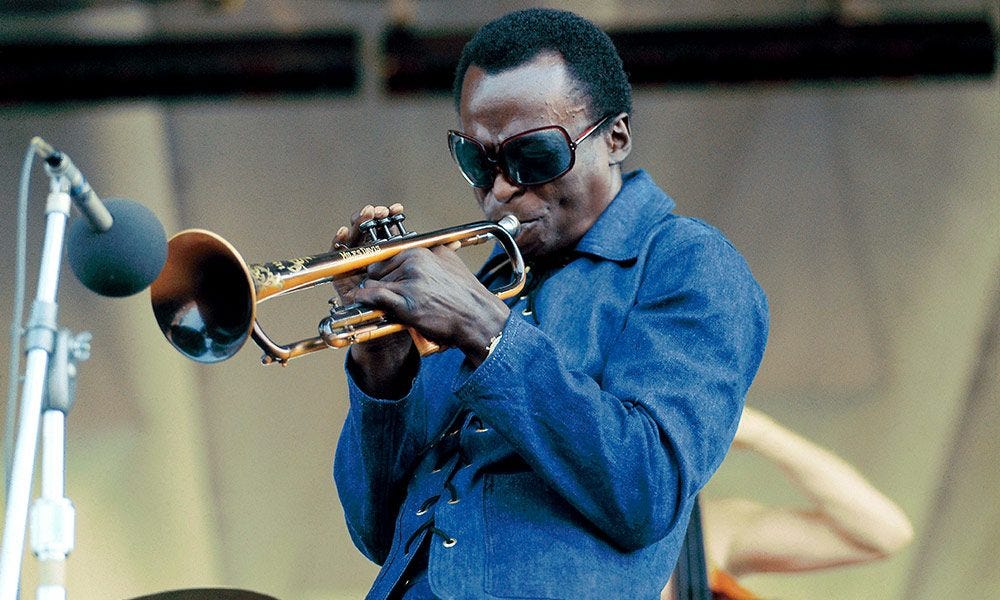
In jazz, Miles Davis’s intelligence was built on subtraction. He noticed the emotional weight of silence, the way a single note could tilt the entire atmosphere of a room. His genius was not in playing more but in perceiving what could be removed without collapsing the structure. Attentive receptivity becomes, in his hands, a kind of musical restraint.
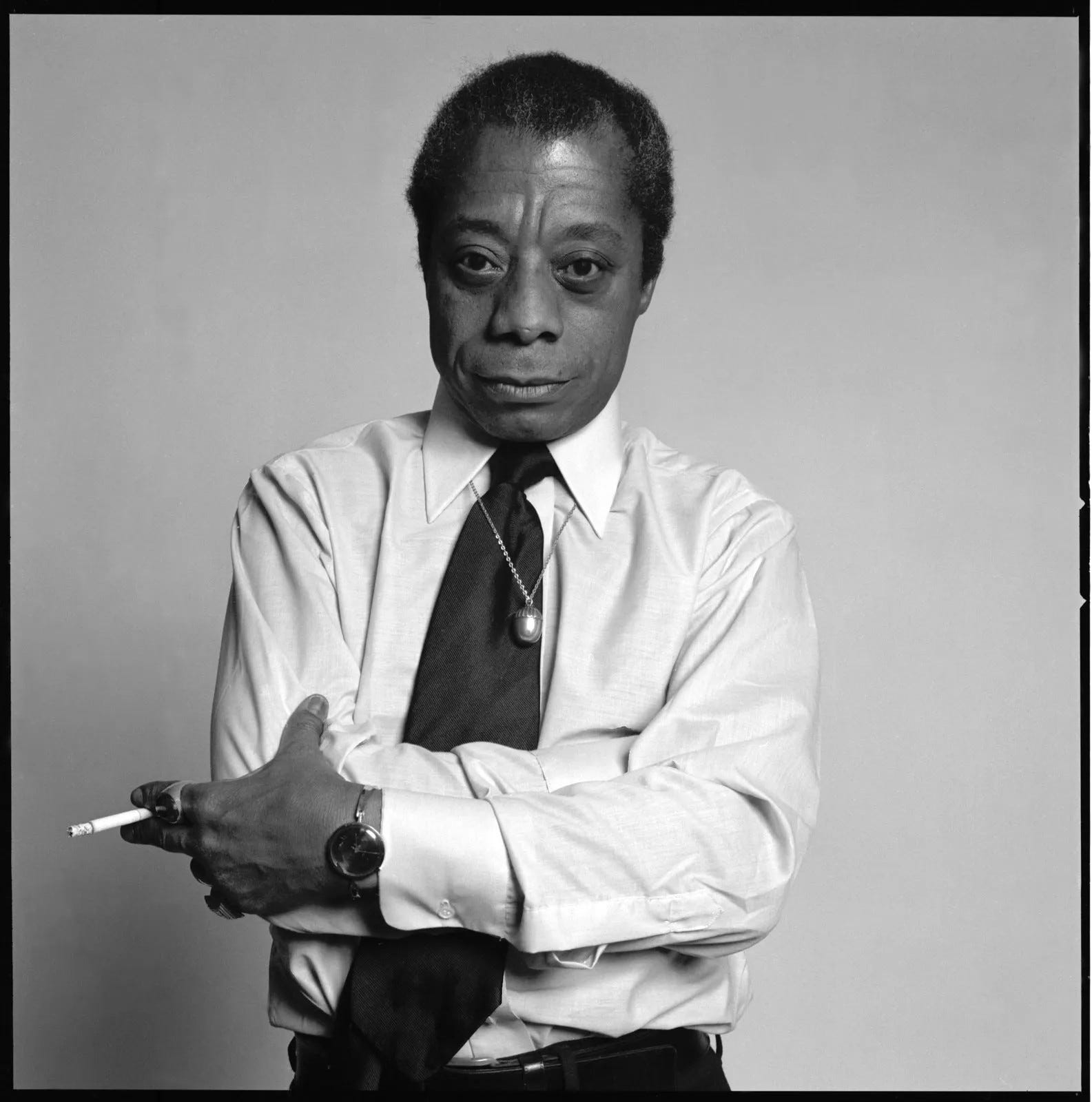
In literature, James Baldwin’s intelligence was moral and diagnostic. He saw the psychological machinery of American life with such clarity that his essays feel like X-rays. Baldwin’s noticing was not merely observational; it was ethical. He perceived the contradictions inside people—their tenderness, their fear, their self-deception—and wrote with a precision that made those contradictions visible.
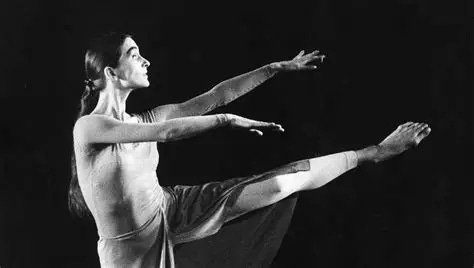
In dance, Pina Bausch’s intelligence was embodied. She noticed how people move when they are grieving, when they are in love, when they are afraid. Her choreography emerged from watching human beings with an almost anthropological tenderness. Attentive receptivity becomes, in her work, a vocabulary of gesture.
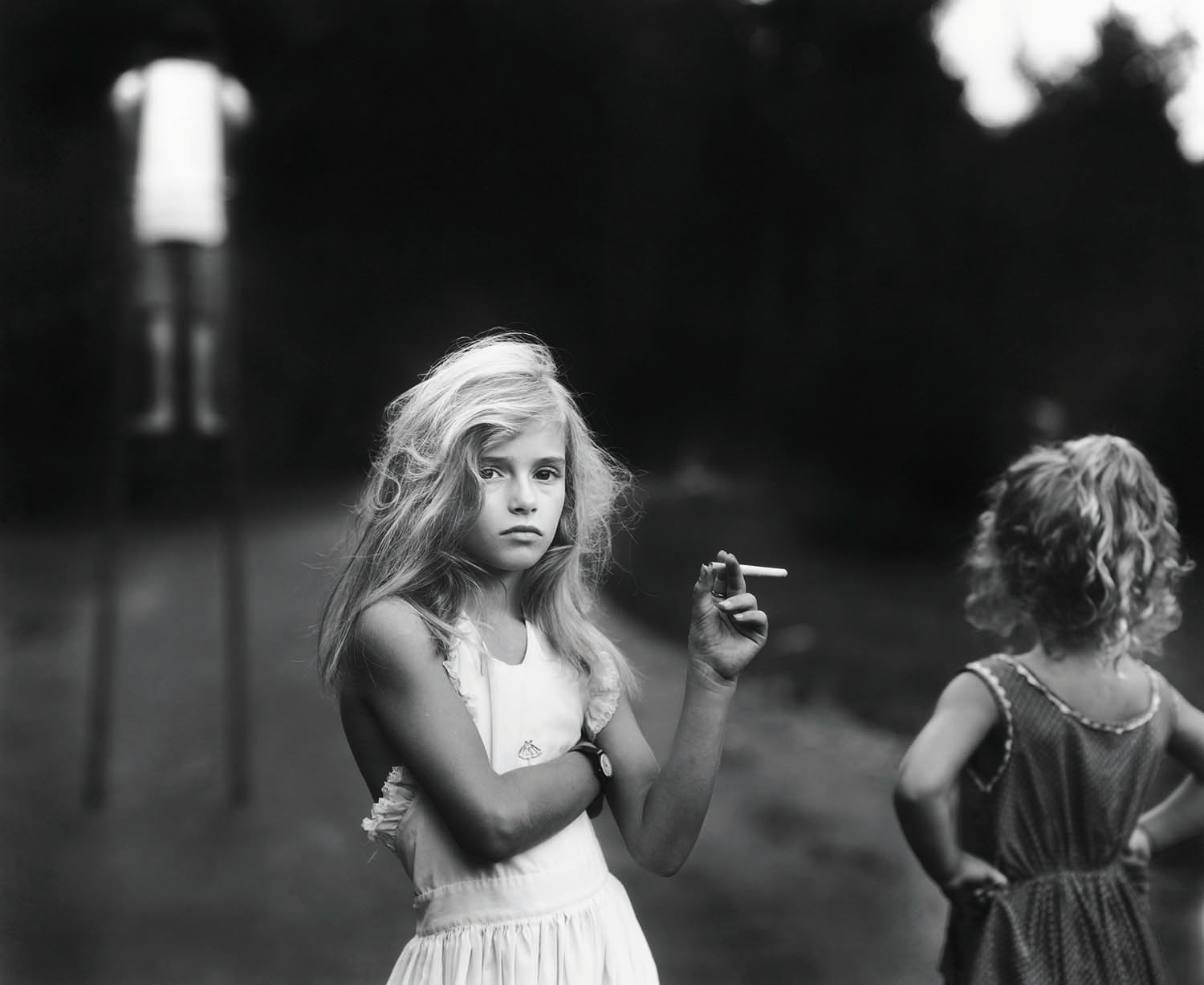
In photography, Sally Mann’s intelligence is temporal. She perceives the way time clings to landscapes, the way childhood contains both innocence and danger. Her images are not nostalgic; they are forensic. She notices what time does to people and places, and she records it without flinching.
Across all these disciplines, the same psychological trait is at work: the ability to remain open to the world’s subtle signals and to trust that those signals matter.
This intelligence is not the same as creativity. Creativity is what happens after you notice. Nor is it the same as technical mastery. Technique is what allows you to express what you’ve noticed. Attentive receptivity is the soil from which both grow.
It is also the most endangered form of intelligence in contemporary life. Distraction erodes it. Speed erodes it. Outrage erodes it. The artist must therefore cultivate practices that protect their attention: walking without headphones, sketching without purpose, reading slowly, revising patiently, lingering in uncertainty. These are not romantic habits; they are psychological disciplines.
The artist’s intelligence is not the intelligence that solves problems. It is the intelligence that stays awake.
And in a culture increasingly engineered to dull perception, that wakefulness is not just an artistic virtue—it is a civic one.