
We live inside a cultural daydream that whispers a simple promise: with enough planning, enough premiums, enough clever contractual language, we can shield ourselves from the worst. Insurance becomes a kind of secular prayer — a way of telling the universe that we have paid our dues and therefore deserve exemption. But the deepest losses in a human life refuse to be insured, not because the industry lacks imagination, but because the structure of the losses themselves makes protection impossible.
Insurance only functions when risk is uncertain, when it can be spread across many, and when one person’s misfortune does not automatically trigger another’s. Yet the most consequential human experiences violate all three conditions. The death of someone we love is not uncertain; it is guaranteed. The collapse of trust in a relationship cannot be distributed across a pool of policyholders; it is intimate and unrepeatable. The grief that ripples through a family or a community is not independent; it is contagious, cumulative, and often generational. You cannot pool the risk of heartbreak. You cannot amortize the cost of regret.
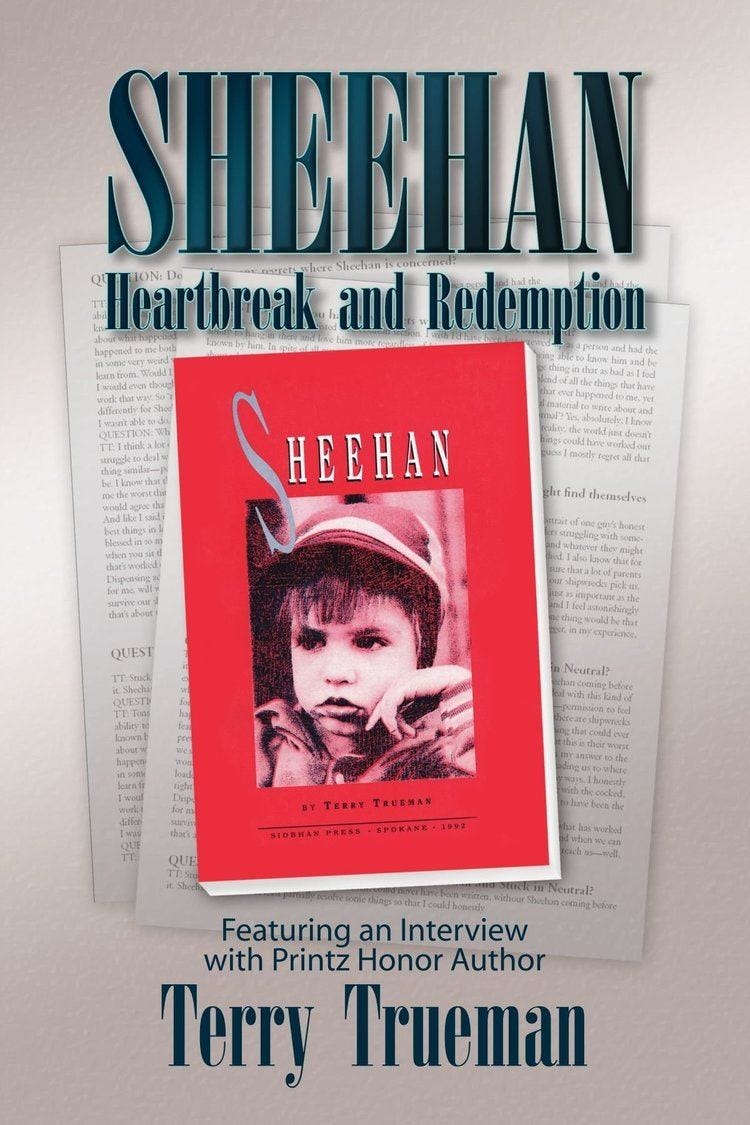
Still, we try. We construct psychological insurance schemes, paying our premiums in vigilance and self-blame. If we parent perfectly, perhaps our children will be safe. If we stay healthy, perhaps aging will spare us. If we are kind, perhaps we will never be misunderstood. If we are careful, perhaps betrayal will pass us by. These are the quiet contracts we draft with fate, but the universe does not sign them. Some risks are not bugs in the system; they are the system. To love is to accept the possibility of loss. To act is to accept the possibility of failure. To trust is to accept the possibility of being wrong. Once you’ve buried a child, or an adult child, or seen a baby born with a ruined brain, you realize there is no amount too high to pay for avoiding such pain, nor is there any amount that can save you from this.
Beneath the financial metaphor lies a deeper longing: the desire to insure ourselves against the consequences of our own moral mistakes, against the pain we cause without meaning to, against the randomness that makes life feel unfair, against the fact that we are not in control. Epistemic loss is always lurking. And these are precisely the experiences that shape character. They are the crucibles in which humility, compassion, and wisdom are formed. If we could insure against them, we would also insure against becoming fully human.
What we have instead is something more demanding. Community distributes sorrow even when it cannot eliminate it. Attention reduces harm by slowing us down enough to see what we are doing. Forgiveness softens the cost of being fallible. Presence makes even loss bearable. Love, the greatest risk of all, is also the only thing that makes the risk worth taking.
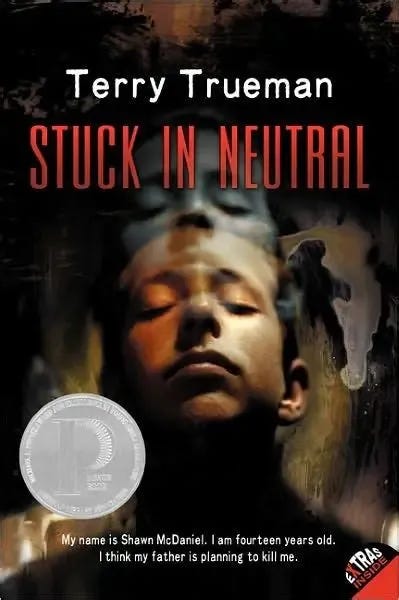
The impossibility of insuring the deepest losses is not a failure of the insurance industry. It is a reminder that life is not a contract but a covenant — fragile, unpredictable, and shared. We cannot escape the risks that define us. We can only face them together, with whatever grace we can manage.