
Epigraph
“Under the light of the full moon petals float gently soaked in spring…”
— Noris Roberts
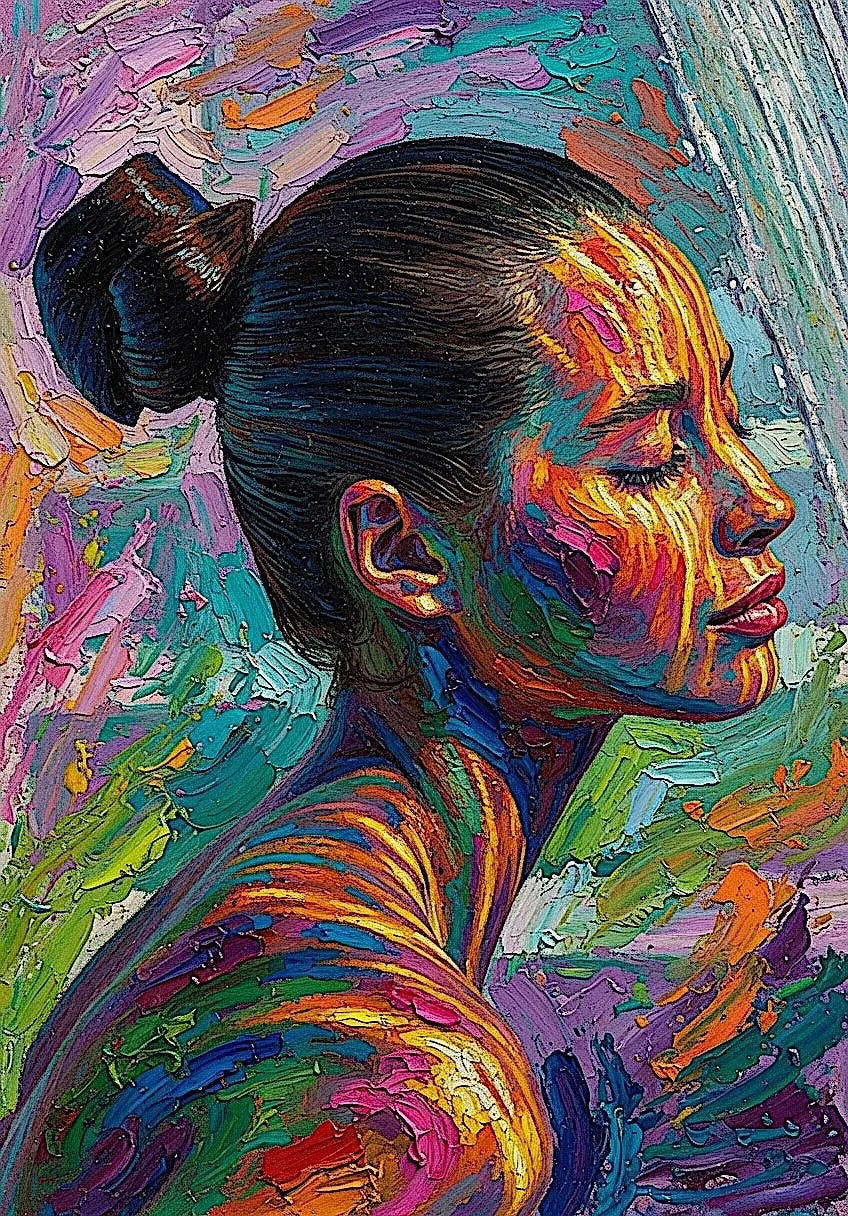
There are corners of the digital world where language still behaves like a living thing — where a sentence can bloom, ache, or shimmer without apology. The Bluesky page of Noris Roberts is one of those rare spaces. It feels less like a social feed and more like a small, persistent lantern held up against the wind.
In a platform culture dominated by irony, speed, and spectacle, Roberts writes as if the romantic imagination were still a viable civic instrument. And perhaps it is.
And for sure it needs to be.
I. Romanticism Without Performance
What strikes the reader first is the earnestness. Roberts writes in short, incantatory bursts — moonlight, petals, tides, jasmine, breath. These are not metaphors deployed for effect; they are the vocabulary of someone who believes that beauty is still a form of knowledge.
There is no winking, no distancing gesture, no algorithmic self‑presentation. The romance is devotional, not performative. It is the opposite of content. It is attention.
II. Beauty Entwined With Sorrow
But this is not naïve romanticism. The lyricism is braided with grief:
“No tear can fall from a crystal so hard, because inside there is nothing left…”
“I’m silent sorrow buried beneath fleeting smiles…”
The beauty is not ornamental; it is a counterweight. Roberts writes as if sorrow were not a flaw in the world but one of its textures — something to be held, not hidden. The posts read like fragments of a longer interior novel, one in which the emotional weather is allowed to be changeable, contradictory, and real.
III. The Ethical Undercurrent
Amid the lyricism, Roberts turns — sometimes abruptly — toward the moral wounds of the world:
“A disease called power…”
“War breeds hatred, then comes revenge…”
“It does not express its pain when man mercilessly chops it down…”
This is where the romantic mode becomes civic. Beauty is not escape; it is resistance. The tenderness of the language is not a retreat from the world’s brutality but a refusal to let brutality define the whole story.
In this way, Roberts participates in a lineage of artists who treat lyricism as a form of ethical imagination — a way of insisting that the world is still permeable to feeling, still capable of being moved.
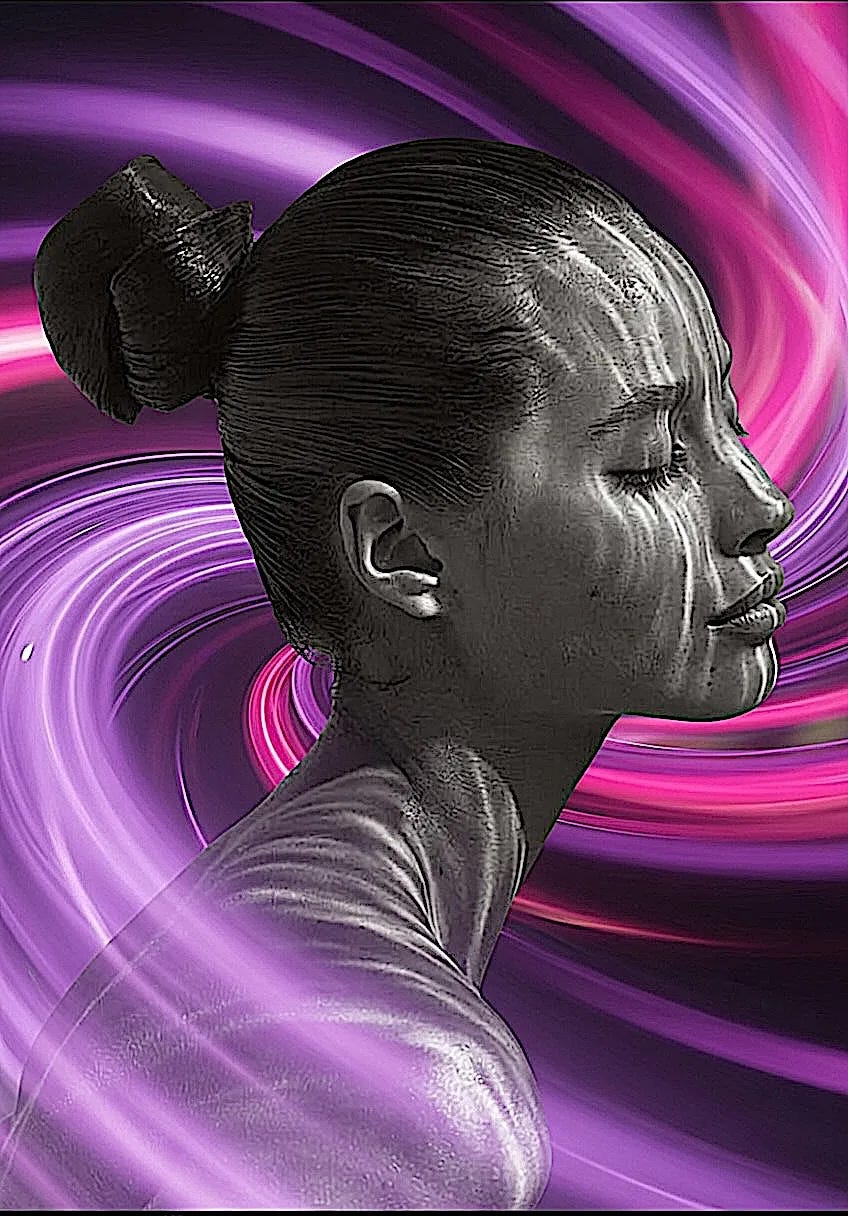
IV. Why This Matters in 2026
We live in a moment when digital platforms reward outrage, compression, and the flattening of nuance. To write romantically — sincerely, vulnerably, without irony — is to swim against the current.
Roberts’ page reminds us that:
Beauty can still be a civic gesture.
Attention can still be an act of care.
Sorrow can still be a form of depth, not defeat.
Language can still be a place where we meet one another with dignity.
This is the quiet radicalism of her feed: it treats the digital commons as a place where tenderness is not only possible but necessary.

A disease called power Noris Roberts @norisroberts.bsky.social
Closing Reflection
The Trueman–Triola Newsletter has always argued that ethical imagination is a public good — that art, when it is honest, enlarges our capacity for one another. Roberts’ work on Bluesky is a small but luminous example of this truth.
In a world increasingly shaped by noise, her lyric fragments feel like a hand on the shoulder, reminding us that beauty is not a luxury. It is a way of staying human.
Noris Roberts Poemas y más Poems &more – Poesía y otros escritos / Poetry & other writing https://norisroberts.wordpress.com/