
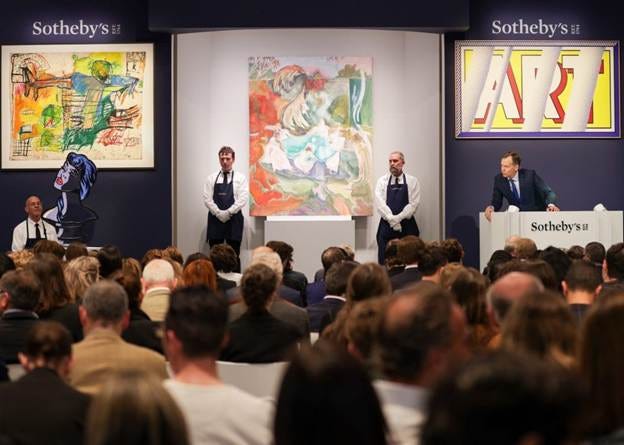
To democratize experimentation is to return art to the realm of human possibility rather than financial strategy. And once you make that move — once you insist that creativity belongs to everyone, not just those with capital — the entire enterprise of treating art as a commodity for investment begins to look not merely misguided but obscene.
The commodification of art depends on scarcity, exclusivity, and the myth that artistic value is something that can be captured, stored, and resold. It depends on the idea that the artist’s labor, imagination, and interior life can be converted into an asset class. It depends on the belief that art’s highest purpose is to appreciate in value rather than to expand human interiority.
But democratized experimentation destroys the foundation of that logic. When everyone can make, remix, explore, and fail, art ceases to be a rare object and becomes a shared practice. Creativity becomes abundant. And abundance is the enemy of speculation. You cannot build an investment portfolio out of something that belongs to everyone.
This is why the financialization of art is a far greater misuse of the artist’s talent than any use of AI could ever be. AI, at its best, is a tool that expands the field of experimentation — a way of increasing the surface area of creativity, of giving more people access to the generative space where imagination happens. It democratizes the conditions of making. It opens doors.
But the investment‑driven art world closes doors. It narrows the field. It turns the artist’s interior life into a commodity, their work into a token, their imagination into a speculative instrument. It treats art not as a civic good but as a luxury asset. It replaces curiosity with market logic, presence with spectacle, and meaning with price.
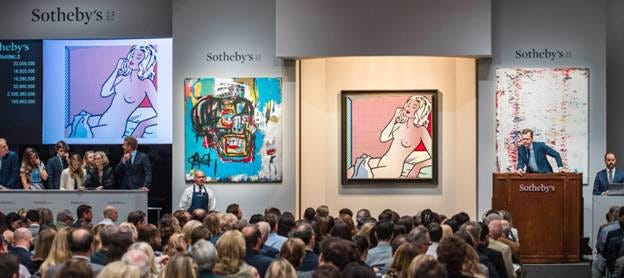
The obscenity lies in the inversion of priorities: the artist’s work becomes valuable not because it enlarges human experience but because it can be traded. The goodness of the thing itself — the very idea you articulate so clearly in your newsletter — is replaced by the goodness of the thing’s future yield. The artwork becomes a hostage to the market.
Democratized experimentation refuses this inversion. It insists that art’s value is intrinsic, not transactional. It insists that creativity is a human right, not a financial opportunity. It insists that the purpose of art is to deepen interiority, expand civic imagination, and cultivate the fragile, uncommodified space where meaning grows.
And once you see art this way — once you understand creativity as a shared civic practice rather than a speculative asset — the financialization of art becomes not just misguided but morally grotesque. It is the attempt to privatize wonder. It is the attempt to turn interiority into capital. It is the attempt to extract profit from the very thing that should remain free.
AI, by contrast, threatens the investment‑driven art world precisely because it democratizes experimentation. It makes creativity less scarce. It makes imagination more accessible. It undermines the scarcity logic that financialization depends on. And that is why the panic around AI is so loud: not because AI harms art, but because AI harms the market for art.
The truth is simple: The misuse of art as a financial instrument is a far greater violation of the artist’s talent than any use of AI to expand creativity. One extracts value from the artist. The other expands value for the artist — and for everyone else.
Vincent Triola - YouTube https://www.youtube.com/@vincentvtriola
Trueman Music | Join me on Suno https://suno.com/@captivatingminimalism0623
Terry Trueman - YouTube https://www.youtube.com/@TerryTrueman-w6e