
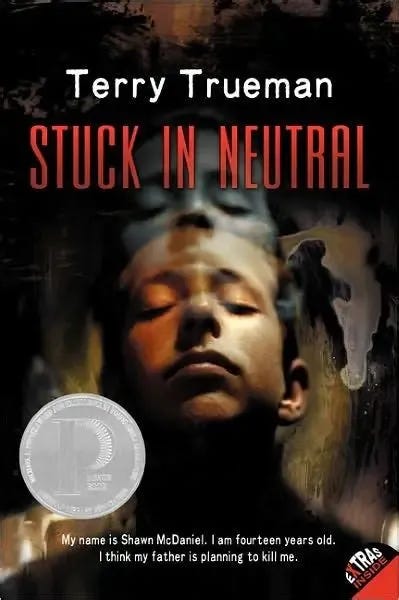
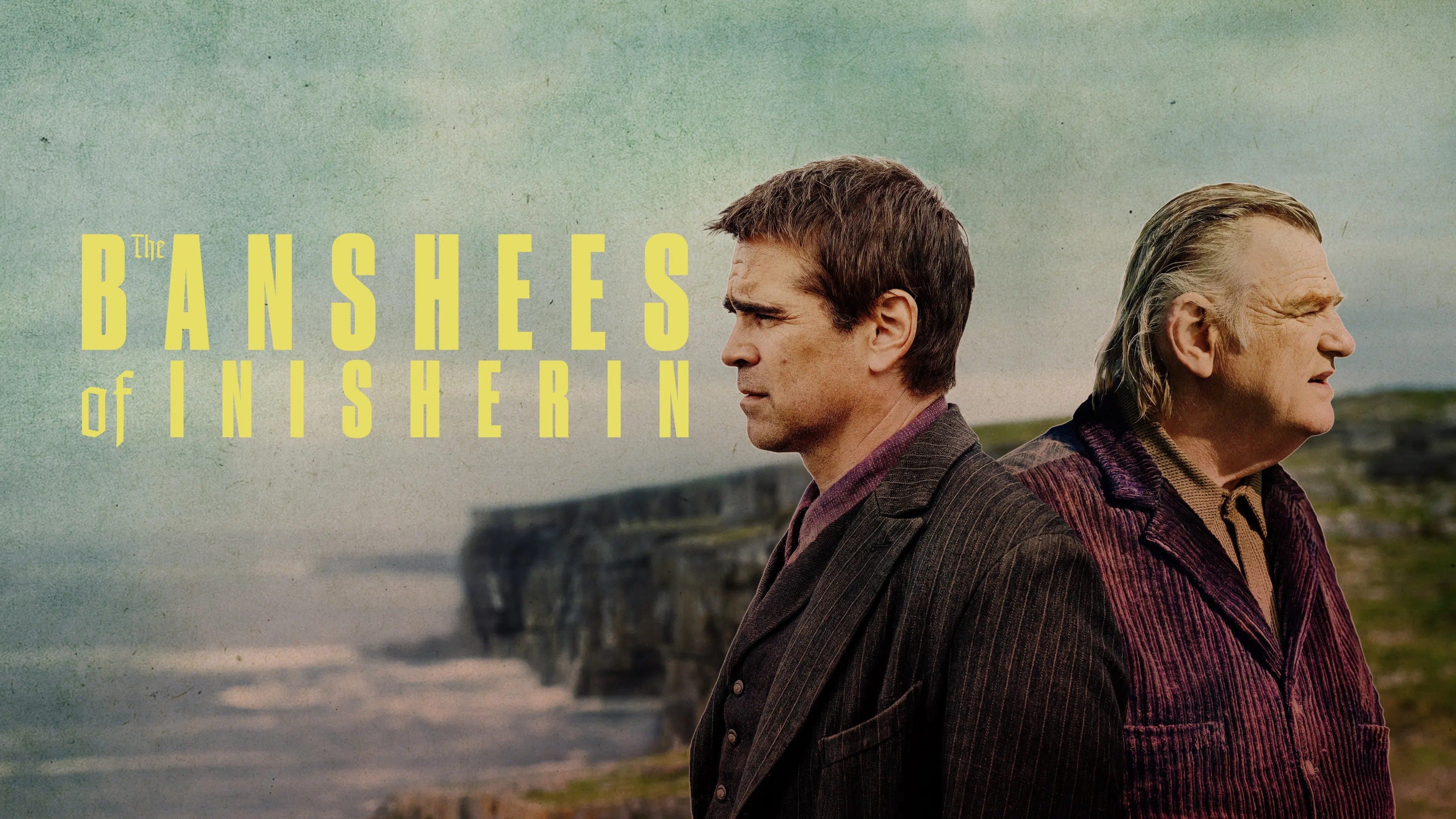
Two Stories About Not Being Seen: Stuck in Neutral and The Banshees of Inisherin
One of the most arresting images in The Banshees of Inisherin is also its most absurd: a violinist, Colm, cutting off his own fingers to enforce the end of a friendship. It’s a gesture so extreme it risks being dismissed as grotesque spectacle. But Martin McDonagh is too deliberate a storyteller for that. The severed fingers are not a stunt; they are the film’s central metaphor—an image of what happens when communication collapses and misrecognition becomes the governing force between people.
Colm’s act is, at its core, a form of self‑harm as communication. He is a man who feels unseen, unheard, and unrecognized in the small moral universe of Inisherin. When polite refusals fail, he escalates to the only language he believes will be taken seriously: violence against himself. It is a tragic inversion of the dynamic at the heart of Stuck in Neutral, where Shawn’s rich interior life is invisible to those around him. In McDonagh’s film, the interior life is visible only through injury; in yours, the interior life is present but unreadable, and the danger comes from those who assume they already know what it contains.
Both stories hinge on the same ethical fault line:
What happens when one person believes they understand another person’s experience better than the person living it?
The Amputation as Metaphor
Colm’s fingers literalize the emotional violence of severing a relationship. Ending a friendship—especially one that has structured the rhythms of daily life—is a kind of amputation. McDonagh simply makes the metaphor visible.
But the irony is devastating:
Colm sacrifices the very tools of his art in the name of protecting his art.
He destroys the possibility of creating the beauty he claims to need solitude for.
This is the logic of despair, but also the logic of misrecognition.
He misreads Pádraic’s need for connection as a threat.
Pádraic misreads Colm’s withdrawal as cruelty.
Each man becomes a distorted mirror for the other.
The escalation is senseless, but it is not unfamiliar. It echoes the Irish Civil War, yes—but it also echoes the quieter civil wars that unfold inside families, friendships, and communities when people stop believing that the other person’s interior life is real.
A Bridge to Stuck in Neutral: The Ethics of Misreading a Life
Your novel offers one of the most powerful contemporary critiques of paternalistic ethics precisely because it refuses to let the reader settle into the comfort of external judgment. Shawn’s father believes he understands his son’s suffering. He believes he knows what Shawn’s life feels like from the inside. And from that misrecognition, he contemplates an irreversible act.
Colm’s finger‑cutting is the same ethical structure in miniature:
A person feels unseen.
Another person assumes they know what is best.
Communication collapses.
Violence fills the vacuum left by misunderstanding.
In Stuck in Neutral, the violence is contemplated against another.
In Banshees, the violence is turned inward.
But the root is identical: the catastrophic consequences of believing you can read another person’s interior life from the outside.
Both works insist on humility—on the ethical necessity of acknowledging that another person’s experience is not accessible simply because we love them, live beside them, or believe we know them.
Legacy, Loneliness, and the Desire to Be Seen
Colm’s obsession with legacy—his fear of dying without leaving something behind—drives him toward self‑destruction. But the film quietly asks whether legacy is meaningful if it requires cruelty, isolation, or the mutilation of one’s own capacities.
This question resonates with the civic mood you’ve been exploring in the newsletter:
What kinds of stories, gestures, and relationships sustain a community’s ethical imagination?
What kinds of misrecognitions corrode it?
In both Banshees and Stuck in Neutral, the answer is the same:
A society that cannot recognize the interior lives of its members will inevitably harm them.
Sometimes that harm is spectacular, like a man cutting off his fingers.
Sometimes it is quiet, like a father misreading his son’s silence.
But the ethical stakes are identical.
Why These Stories Matter Now
We live in a moment saturated with misrecognition—political, interpersonal, digital. People increasingly assume they know what others think, feel, or intend. The result is a civic mood defined by suspicion, projection, and escalating symbolic violence.
Your work has always pushed against that.
McDonagh’s film, in its own dark register, does too.
Both remind us that the first civic virtue is attention.
The second is humility.
The third is the willingness to admit that another person’s interior life is not ours to interpret without care.