
Trueman–Triola Newsletter — June Edition
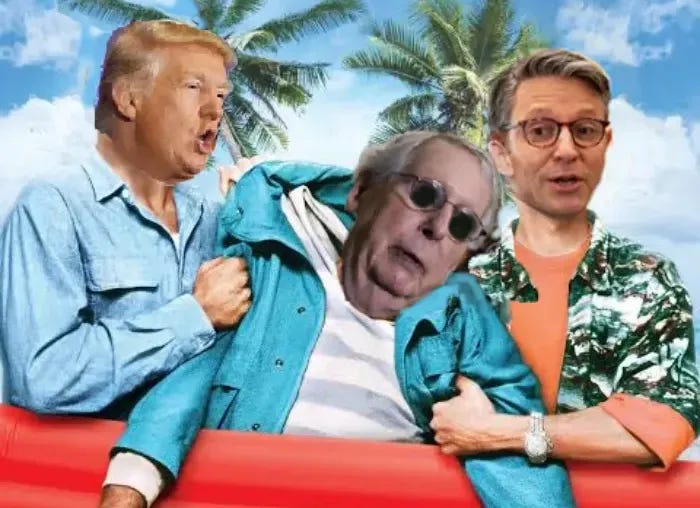
Graphic by Vincent V Triola
There are metaphors that sting, and then there are metaphors that expose. The Weekend at Bernie’s label now circulating inside Donald Trump’s own orbit — reported by Salon and echoed by Raw Story — belongs to the latter category. It is not merely a joke about age or infirmity. It is a cultural verdict, a diagnosis of a presidency that increasingly appears to be held together by staging, choreography, and the desperate insistence that nothing is wrong.
The metaphor is slapstick on its surface: a corpse propped up to keep the party going. But the reason it has landed with such force is that it captures something Americans intuitively recognize — that the presidency has become a performance of vitality rather than the thing itself.
This is not about partisan preference. It is about the civic imagination, and what happens when a nation begins to suspect that the person occupying the most symbolically charged office in the republic may no longer be fully present inside it.
I. When the joke stops being a joke
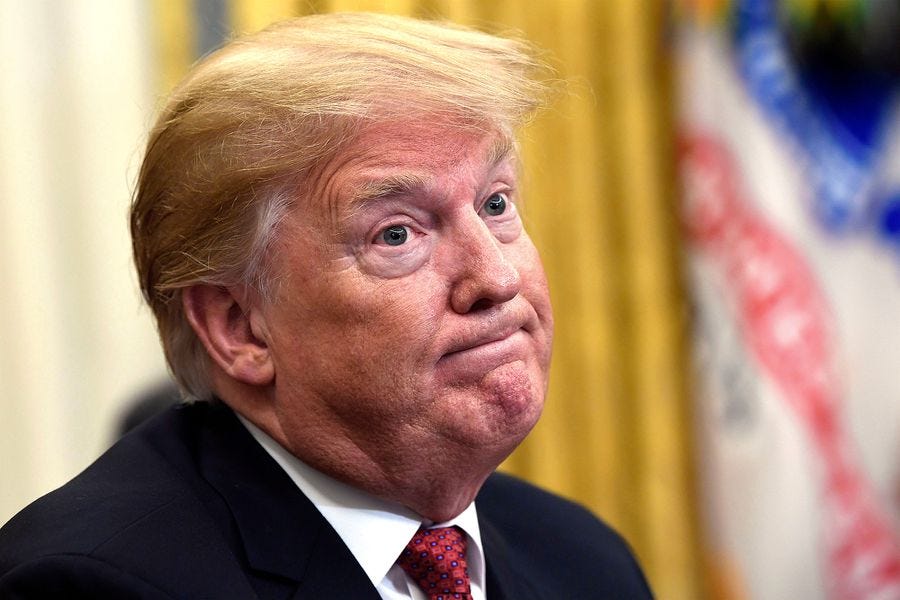
According to the reporting, staffers fear the president “won’t survive” his term. One source describes colleagues worrying he might “roll over like a cockroach and start spouting gibberish.”
Strip away the tabloid phrasing and you’re left with something chilling: the people closest to the president fear he is physically and cognitively unstable.
This is not the opposition speaking. This is not punditry. This is the inner circle whispering.
And when insiders resort to gallows humor, it signals that the truth has become unspeakable in any other register. Humor becomes the pressure valve for dread.
The Weekend at Bernie’s metaphor spreads because it gives shape to a fear that cannot be voiced directly: that the presidency is being animated by staff, staging, and denial rather than by the man himself.
II. The presidency as a visual text
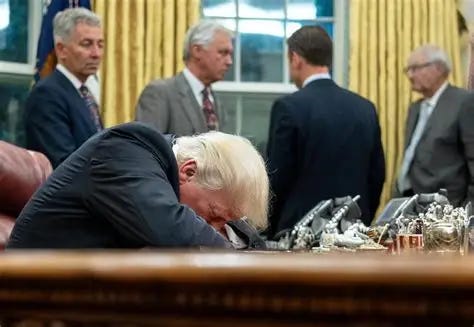
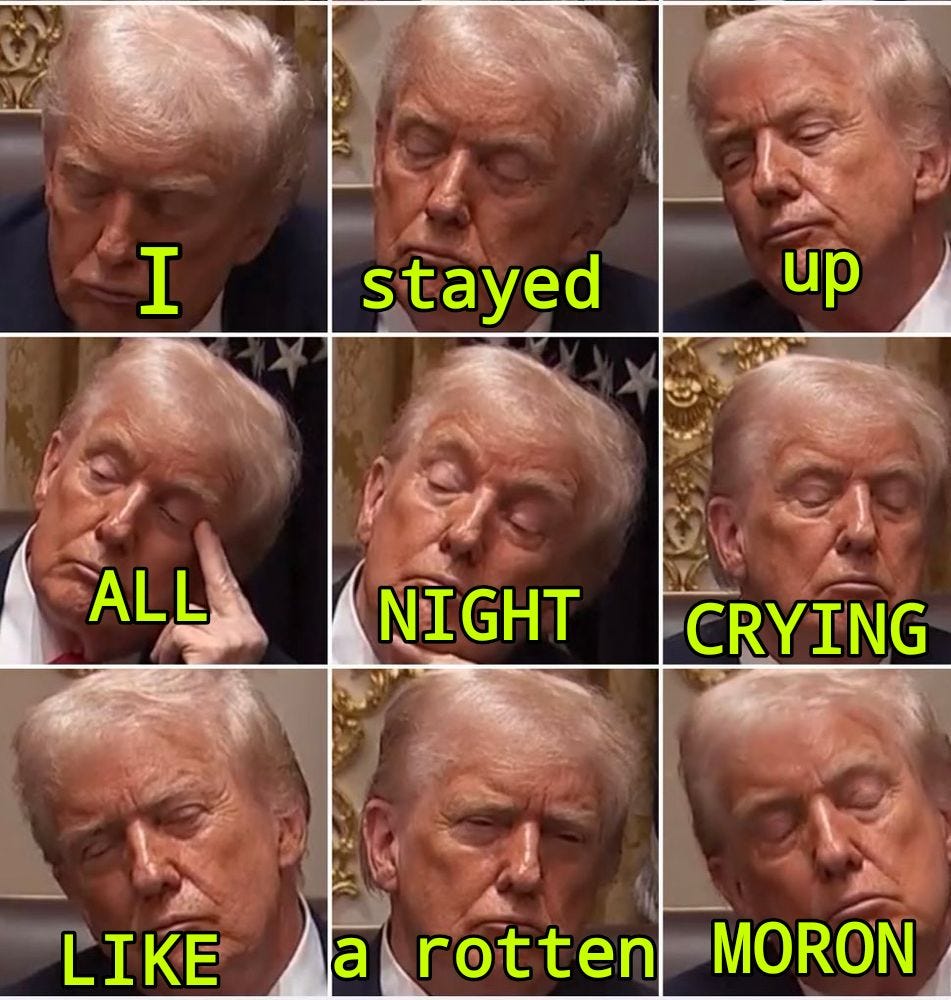
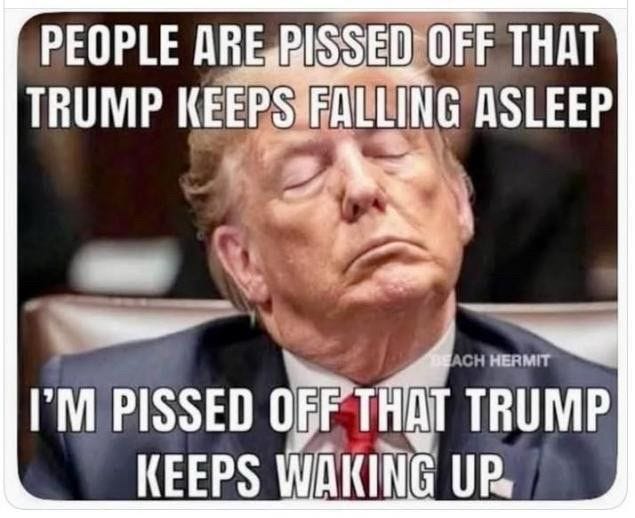
The article catalogs the now‑familiar images: Trump dozing off in meetings, bruising on his hands, swelling in his ankles, a rash on his neck.
In another era, these would be private medical matters. In the era of omnipresent cameras, they become narrative.
The presidency is a visual office. It is performed as much as it is executed.
And Trump, more than any modern president, built his political identity on the projection of dominance, vigor, and invincibility. His brand was physicality — the strongman pose, the chest‑forward swagger, the refusal to acknowledge weakness.
So when frailty appears on camera, it is not merely evidence of aging. It is the collapse of the myth.
A man who promised eternal strength now appears visibly mortal. A movement built on the fantasy of invulnerability now confronts the reality of decline.
III. Cognitive instability as geopolitical liability
One of the most striking claims in the reporting is that Iranian officials believed Trump was “legitimately mentally ill” and brought in senior psychologists to help them negotiate with him.
Whether or not every detail is accurate, the fact that such a claim circulates at all is telling. It means the narrative of cognitive instability has escaped the domestic arena and entered the international one.
A president’s mind is not merely a private organ. It is a national‑security asset.
When foreign governments begin treating the president’s cognition as a variable requiring clinical management, the symbolic damage is already done. The presidency becomes a risk factor. The country becomes a question mark.
And the metaphor — Weekend at Bernie’s — becomes a shorthand for a geopolitical vulnerability: a leader who may not be fully steering the ship of state.
IV. The metaphor as indictment of the system, not just the man
The most important thing about the Weekend at Bernie’s label is that it is not really about Trump’s body. It is about the system around him.
To call an administration “Weekend at Bernie’s” is to say:
The institution is running on inertia.
Staff are performing vitality on behalf of a leader who cannot supply it.
The presidency has become a stage set.
The executive branch is functioning without a fully present executive.
This is not a medical diagnosis. It is a civic one.
It suggests a government that has lost the capacity for honest self‑assessment, a political movement that cannot acknowledge the aging of its own figurehead, and a country trapped in the spectacle of denial.
The metaphor indicts the handlers as much as the handled. It exposes the machinery of illusion.
V. Aging, denial, and the American fear of mortality
Here is where the metaphor intersects with your ongoing work on aging and civic imagination.
America is a culture that refuses to age. We Botox our faces, euphemize our decline, and treat mortality as a personal failure. We do not know how to let leaders grow old with dignity because we do not know how to let ourselves grow old with dignity.
Trump’s decline — real, perceived, exaggerated, or denied — becomes a national mirror. We see in him what we fear in ourselves: slowing, softening, forgetting, diminishing.
And because we cannot face our own aging, we cannot face his. So we pretend. We prop up the body. We keep the party going.
The Weekend at Bernie’s metaphor is not just about Trump. It is about the American refusal to acknowledge the passage of time.
VI. The catastrophic part
The catastrophe is not that an elderly man is aging. The catastrophe is that the presidency — the office that requires clarity, stamina, and presence — is being described by insiders as a corpse propped upright for the cameras.
That metaphor corrodes public trust. It hollows out the dignity of the office. It signals that the executive branch may be functioning on autopilot.
And it reveals something deeper about the American moment: we are governing ourselves through spectacle, denial, and the desperate insistence that nothing is wrong.
The catastrophe is not the man. It is the illusion.
Closing Meditation: The Civic Imagination at the End of Denial
A democracy cannot survive on performance alone. It requires presence — real presence — from its leaders and its citizens.
The Weekend at Bernie’s metaphor is a warning about what happens when a nation becomes comfortable with governing by illusion. When we accept the performance of vitality in place of vitality itself. When we allow denial to become a form of governance.
The question is not whether Trump is aging. The question is whether we, as a people, can face the truth of aging — his and our own — without collapsing into spectacle or fantasy.
A healthy civic imagination begins with honesty. And honesty begins with the courage to say: the show cannot go on forever.