
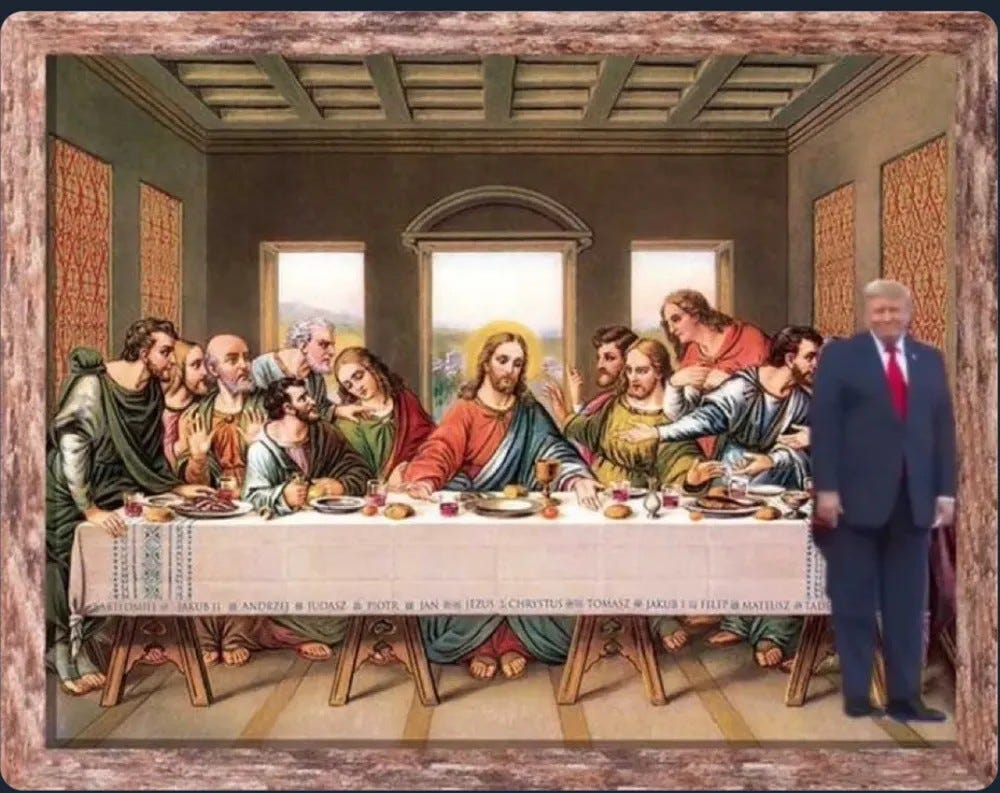
One of the most disturbing transformations in American public life is the way Donald Trump has taken a familiar national virtue—stubborn loyalty—and twisted it into something grotesque. Loyalty, in the American tradition, was once tied to duty, friendship, sacrifice, and the protection of the vulnerable. It animated the frontier stoicism; loyalty was outward-facing. It bound a person to a code, a community, or a friend. It asked something of the self.
Trump didn’t invent stubborn loyalty as a political force — he weaponized it. He took a virtue that, in the American tradition, was once tied to duty, sacrifice, and protection of the vulnerable, and he redirected it toward personal allegiance, grievance, and domination. What had been a moral anchor became a tool of coercion. Trump’s version asks for the opposite. It demands the surrender of the self.
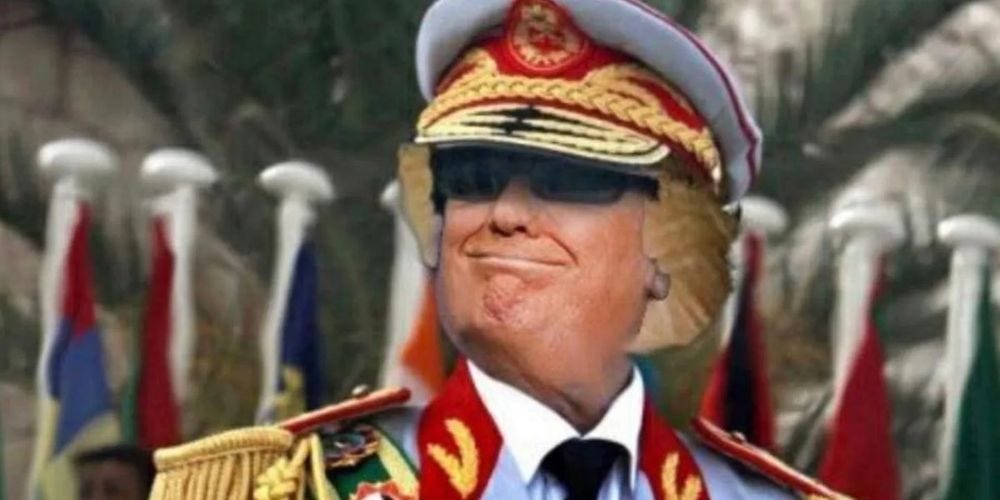
In authoritarian movements, loyalty is never loyalty to principles. It is loyalty to the leader’s personhood—his moods, his grievances, his sense of persecution. Trump’s political culture mirrors this with unsettling precision. Loyalty becomes a test of obedience. Disagreement becomes betrayal. Truth becomes whatever the leader needs it to be in the moment. The moral axis shifts from shared values to a single individual’s emotional needs.
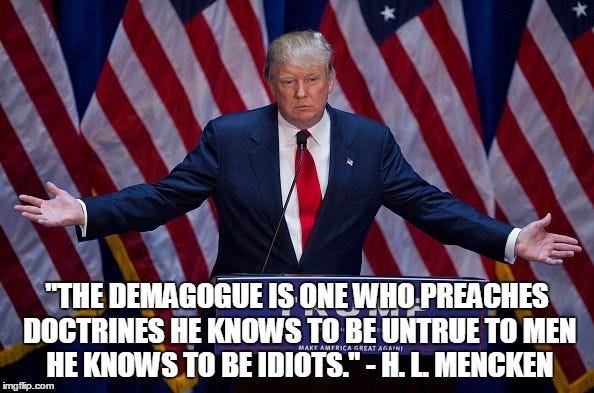
This shift produces a new kind of public ritual. Authoritarian loyalty is proven not through quiet steadfastness but through performance: repeating falsehoods, denying obvious facts, attacking designated enemies, and demonstrating a willingness to break norms. The content of the claim matters less than the act of affirmation. The point is not persuasion but submission. Falsehood becomes a loyalty oath.
Every authoritarian movement requires enemies, and Trump’s rhetoric supplies them in abundance. Internal enemies—Republicans who show independence—are cast out as traitors. External enemies—immigrants, journalists, civil servants—are framed as existential threats. Institutions become corrupt the moment they refuse to bend. Loyalty becomes defined not by who you protect but by who you are willing to condemn.
This is where cruelty enters the picture. In the American mythos, loyalty often softens a man; it makes him protective, patient, even tender. In authoritarian politics, cruelty becomes the proof of loyalty. Mocking the weak, humiliating opponents, celebrating violence—these acts become bonding rituals. They demonstrate not strength but belonging. Empathy becomes a liability. Humiliation becomes entertainment. Violence becomes cleansing.
And here we reach the deeper, more troubling psychological layer: perversion. Not in the sexual sense, but in the older, psychoanalytic sense—perversion as an eroticized hatred, a form of emotional arousal tied to domination, humiliation, and the obliteration of the other’s dignity. Trump’s political style often encourages this perverse energy. His rallies sometimes resemble not civic gatherings but cathartic spectacles where followers experience a kind of charged pleasure in seeing enemies mocked, norms shattered, and cruelty unleashed. The thrill is not ideological; it is affective. It is the pleasure of transgression, the pleasure of belonging to a group defined by its willingness to hate on command.
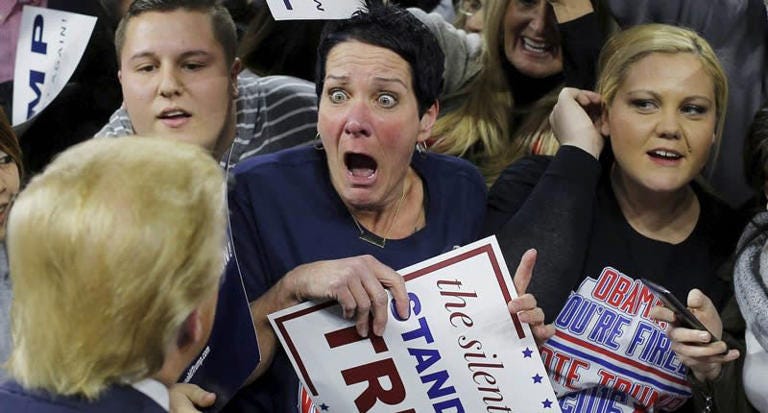
This is what makes the loyalty so dangerous. It is not merely obedience; it is libidinal obedience. It is loyalty fused with emotional arousal, with the intoxicating sense of being part of a movement that punishes outsiders and rewards insiders with the warm glow of shared grievance. In this atmosphere, hatred becomes a communal experience, and cruelty becomes a kind of erotic currency—something that binds the group together through the thrill of domination.
The deepest corruption lies in what authoritarian loyalty demands of the individual. It asks people to outsource their moral agency. It asks them to trade their private conscience—the very thing American heroism has always celebrated—for the leader’s narrative. The stubbornness that once anchored a person in principle becomes stubbornness in service of unreality. The loyalty that once protected the vulnerable becomes loyalty that targets them. And the emotional energy that once fueled courage becomes redirected into a perverse pleasure in seeing others harmed.
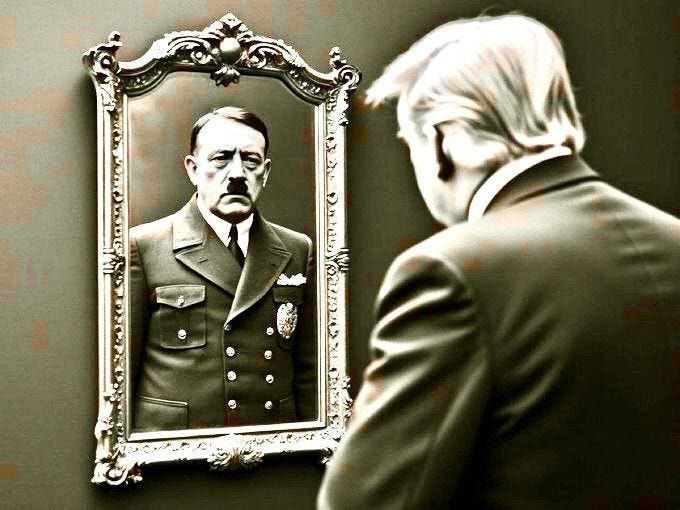
This is why Trump’s version feels so grotesque. It is not simply political. It is psychological. It is the American frontier ethic turned inside out. Loyalty stripped of ethics. Stubbornness stripped of integrity. Heroism stripped of humanity. And beneath it all, a perverse delight in hatred masquerading as patriotism.
The tragedy is not that loyalty has disappeared from American life. It is that a virtue once associated with endurance, decency, and protection has been redirected toward grievance, domination, and the erotic thrill of cruelty. The American hero keeps going. The authoritarian follower gives in.