
Epigraph: “The ideal subject of totalitarian rule is not the convinced Nazi or the convinced Communist, but people for whom the distinction between fact and fiction no longer exists.” —Hannah Arendt
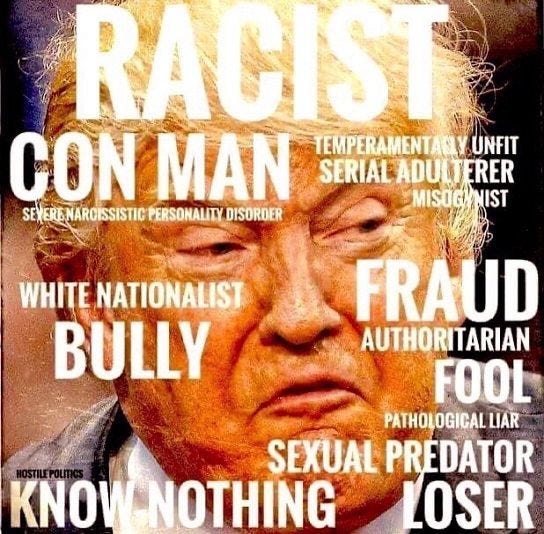
There is a temptation to treat Donald Trump’s habitual falsehoods and his seemingly gleeful embrace of negative, destructive positions as moral failings—an absence of conscience, a deficit of empathy, a simple delight in cruelty. But the deeper psychological story is more intricate, and more revealing. What looks like gratuitous lying or reflexive hostility is, for Trump, a set of behaviors that serve emotional, strategic, and identity‑preserving functions. The lie is not merely a lie; the negativity is not merely negativity. Both are tools.
Trump’s falsehoods often operate as performances of dominance. In authoritarian communication, the leader’s willingness to say things that are obviously untrue is not a mistake but a demonstration of power. A lie that everyone recognizes as a lie becomes a test of loyalty. Followers repeat it to show devotion; opponents react to it and thereby confirm their opposition. The lie bends reality around the speaker, asserting that truth itself is subordinate to his will. It is not persuasion—it is theater.
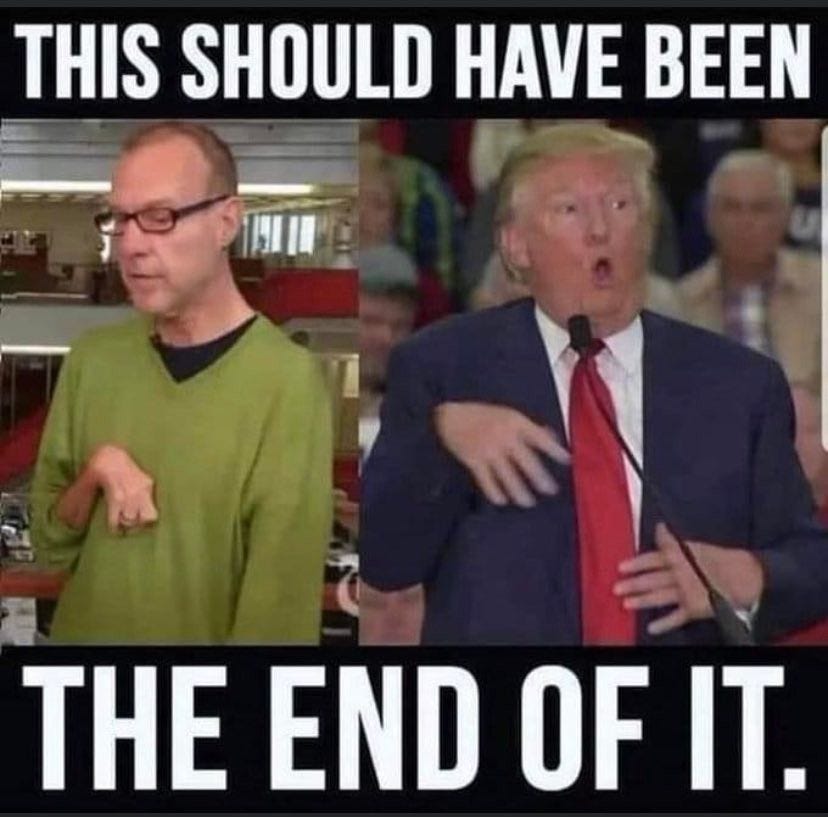
There is also the matter of psychological reward. Researchers who study grandiose narcissism describe the emotional lift that comes from transgression. Breaking norms, violating expectations, shocking the audience—these acts generate attention, and attention functions as a kind of psychic fuel. Trump’s public persona thrives on this cycle. The more combative the stance, the more energized he appears. Negativity becomes a way of regulating self‑esteem, a mechanism for maintaining the sense of specialness that his personality structure demands.
Grievance adds another layer. Trump’s political identity is built on the idea that he—and by extension his supporters—are perpetually wronged. Grievance must be constantly replenished. Even positive developments must be reframed as threats, because grievance cannot survive good news. This helps explain why he so often takes positions that appear hostile to policies widely understood to benefit people. Positivity disrupts the emotional engine of the movement. Negativity keeps the narrative intact.
The strongman persona requires perpetual conflict. Leaders who cultivate this identity rely on chaos, crisis, and enemies to maintain relevance. Peace and cooperation diminish the need for a savior figure. So the leader must generate conflict, escalate tensions, and frame ordinary events as existential threats. The negativity is not simply a mood; it is a structural requirement of the role he has chosen.
Finally, lying serves as psychological protection. When reality threatens the leader’s self‑concept, reality must be replaced. Exaggeration, denial, projection, and fabrication become shields against humiliation or loss of status. The lie is not merely a statement—it is a defense mechanism.
Taken together, these dynamics form a coherent psychological picture. Trump’s relish for falsehood and his attraction to negative, destructive positions are not random. They are emotionally stabilizing, strategically effective, and identity‑preserving. From the outside, they look corrosive. From the inside, they likely feel necessary, empowering, and even pleasurable.