

The strange gift of Suno is that it levels the studio. No guitars to tune, no microphones to place, no budgets to negotiate. Just intention, poured into a machine that sings back. And when you listen closely to the output of two artists working in that same generative space—Trueman and Triola—you hear not sameness but divergence. You hear two different moral imaginations using the same tool for radically different ends.
Trueman’s songs on Suno—Bread and Circuses, Bored and Restless, Looking Back Blues, Enough is Enough, Joyful Bitterness, Labor and Management, Cheeto Jesus Won, Loonies in the Attic, Scorned for Porn—form a kind of civic blues cycle. They are dispatches from a man who has lived through the long American wobble and refuses to stop naming what he sees. The genres shift like weather fronts: folk‑rock one day, rap the next, a sentimental ballad after that. But the voice remains unmistakable. Gravelly, wry, bruised but unbroken. Trueman uses Suno not to escape the world but to testify about it. His songs feel like conversations held at the bar after a long day—half lament, half laughter, all honesty.
Triola’s musical output, by contrast, approaches Suno as a conceptual laboratory. Where Trueman writes from the gut, Triola writes from the grid. His pieces tend to be cooler, more architectural, more interested in the systems shaping modern life than in the characters caught inside them. If Trueman is the civic troubadour, Triola is the cartographer of digital culture. He composes atmospheres rather than narratives, sketches rather than stories, meditations rather than confessions. The emotional temperature is lower, but the intellectual voltage is higher. Triola’s music asks you to think about the conditions of attention, the machinery of spectacle, the quiet alienations of the mediated world.
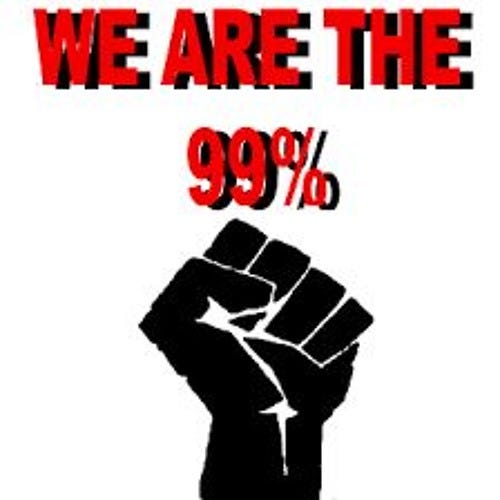
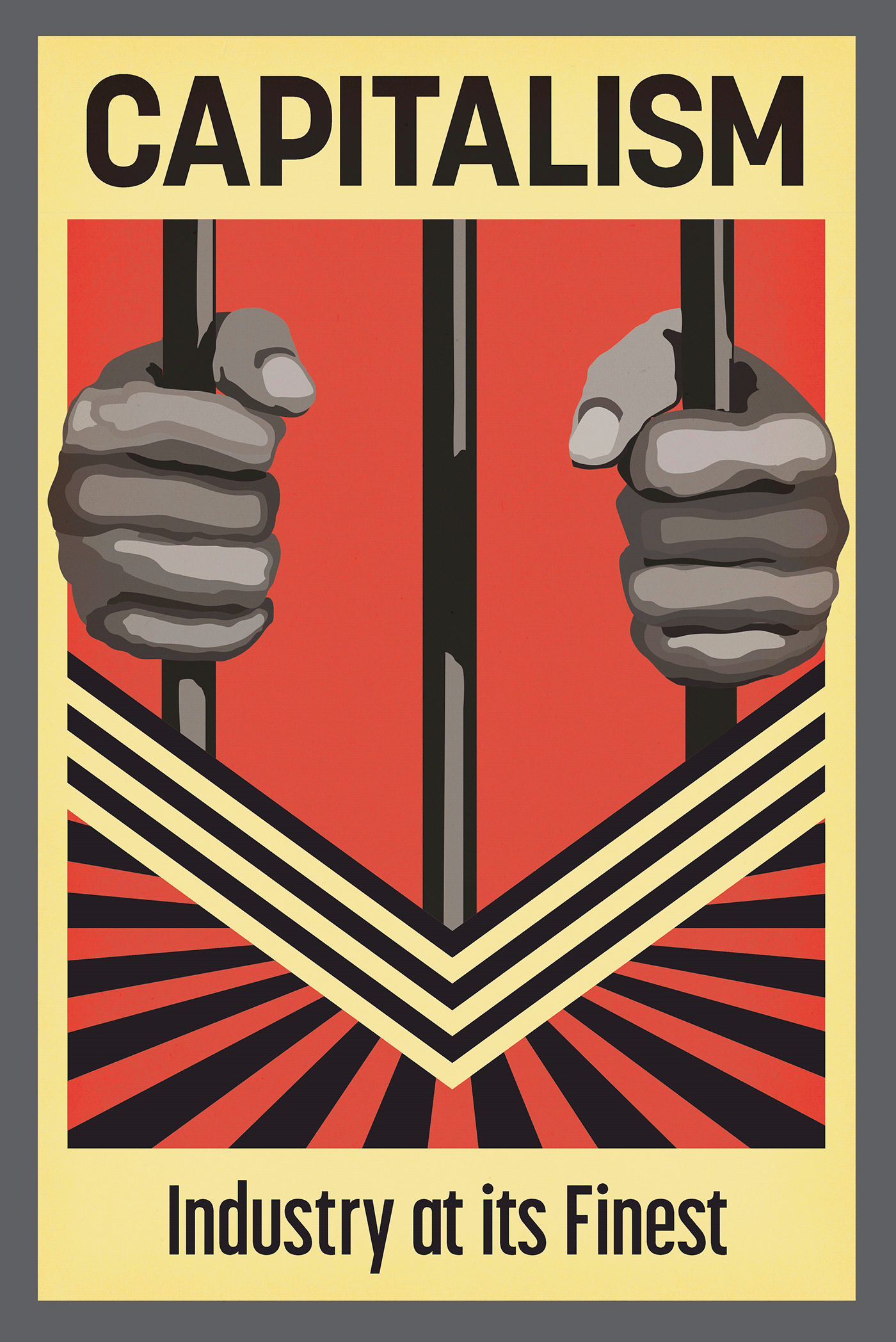
What they share—despite their differences—is an anti‑corporate ethic. Both artists resist the flattening forces of spectacle. Both treat Suno not as a novelty but as a tool for reclaiming expressive agency in a digital environment that often erodes it. Trueman does this through plainspoken moral witness; Triola through conceptual critique. Their overlap is ethical, not stylistic.
But their divergence is unmistakable. Trueman writes for a listener who is weary, politically bruised, and still capable of laughter. Triola writes for a listener who is thinking about the architecture of the weariness itself. Trueman wants to reach you. Triola wants to reframe you.
And perhaps this is the real revelation of Suno: when the machinery strips away virtuosity, production budgets, and technical skill, what remains is intention. Trueman’s intention is civic, embodied, humane. Triola’s is structural, analytical, atmospheric. The same machine, two different moral imaginations. Two artists standing at the same generative console, hearing entirely different futures in the hum of the algorithm.
Vincent Triola - YouTube https://www.youtube.com/@vincentvtriola
Trueman Music | Join me on Suno https://suno.com/@captivatingminimalism0623