
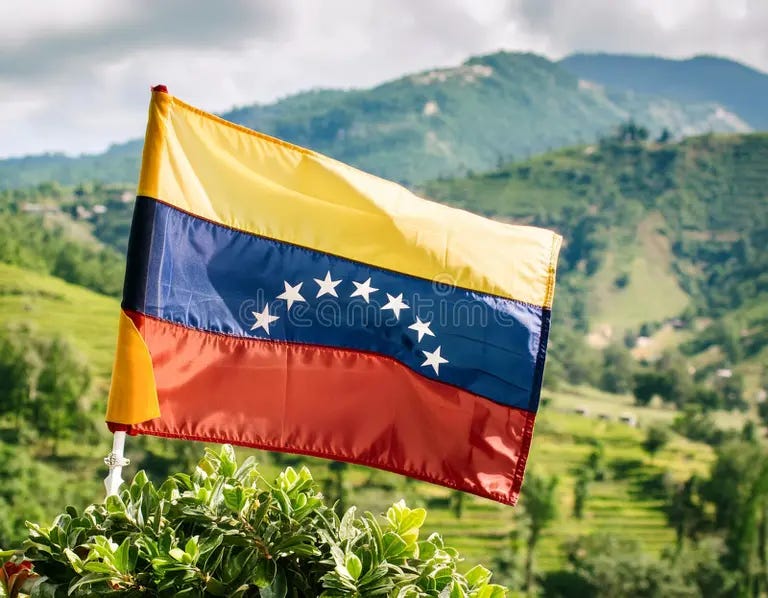
There are moments when sport briefly lifts a nation out of the frame in which global politics has placed it. Venezuela’s victory over the United States in the World Baseball Classic was one of those moments—a reminder that a country so often discussed in terms of crisis, sanctions, and geopolitical tension can still author a story of its own making.
No baseball game can rewrite foreign policy. But it can shift the emotional architecture through which a nation sees itself—and through which others see it.
I. The Quiet Power of Sporting Dignity
For years, Venezuela has been spoken about more than listened to. International coverage has tended to emphasize collapse, corruption, or confrontation. Against that backdrop, a WBC win becomes something more than a box score. It becomes a brief restoration of dignity.
Sport offers a rare stage where:
competence is visible,
excellence is undeniable,
and national pride is unmediated by diplomatic conflict.
In that sense, the victory functioned as a cultural counter‑story: a reminder that Venezuela is not reducible to the narratives imposed upon it.
II. A Symbolic Rebuttal to External Pressure
Critics of U.S. policy toward Venezuela often argue that U.S. measures have harmed civilians more than leaders and that they have contributed to economic instability. From that vantage point, the WBC win becomes a symbolic pushback, not against any one individual, but against a broader pattern of external coercion.
The message is subtle but unmistakable:
We remain capable. We remain present. We remain more than the sum of our geopolitical burdens.
Sport becomes a form of soft resistance—nonviolent, joyful, and rooted in collective pride rather than confrontation.
III. Reclaiming Narrative Space
One of the most powerful things sport can do is change the emotional register of a national conversation. Instead of crisis, sanctions, or scarcity, the story becomes:
teamwork,
excellence,
joy,
and unity.
For a country that has been discussed internationally almost exclusively through the lens of hardship, this shift matters. It gives Venezuelans a moment of narrative authorship—something political conflict often strips away.
IV. Why This Win Resonates Beyond Baseball
The symbolism is amplified by baseball’s cultural centrality in both nations. The United States is a global superpower in the sport; Venezuela is a cradle of extraordinary talent. When these two baseball cultures meet on a world stage, the stakes are never merely athletic.
A Venezuelan victory becomes a shorthand for resilience. It is a reminder that even under pressure, a nation can still produce beauty, skill, and collective joy.
V. The Emotional Archive of Nations
History is full of sporting moments that transcend their immediate context:
the “Miracle on Ice” during the Cold War,
South Africa’s Rugby World Cup after apartheid,
Japan’s baseball triumphs during periods of economic anxiety.
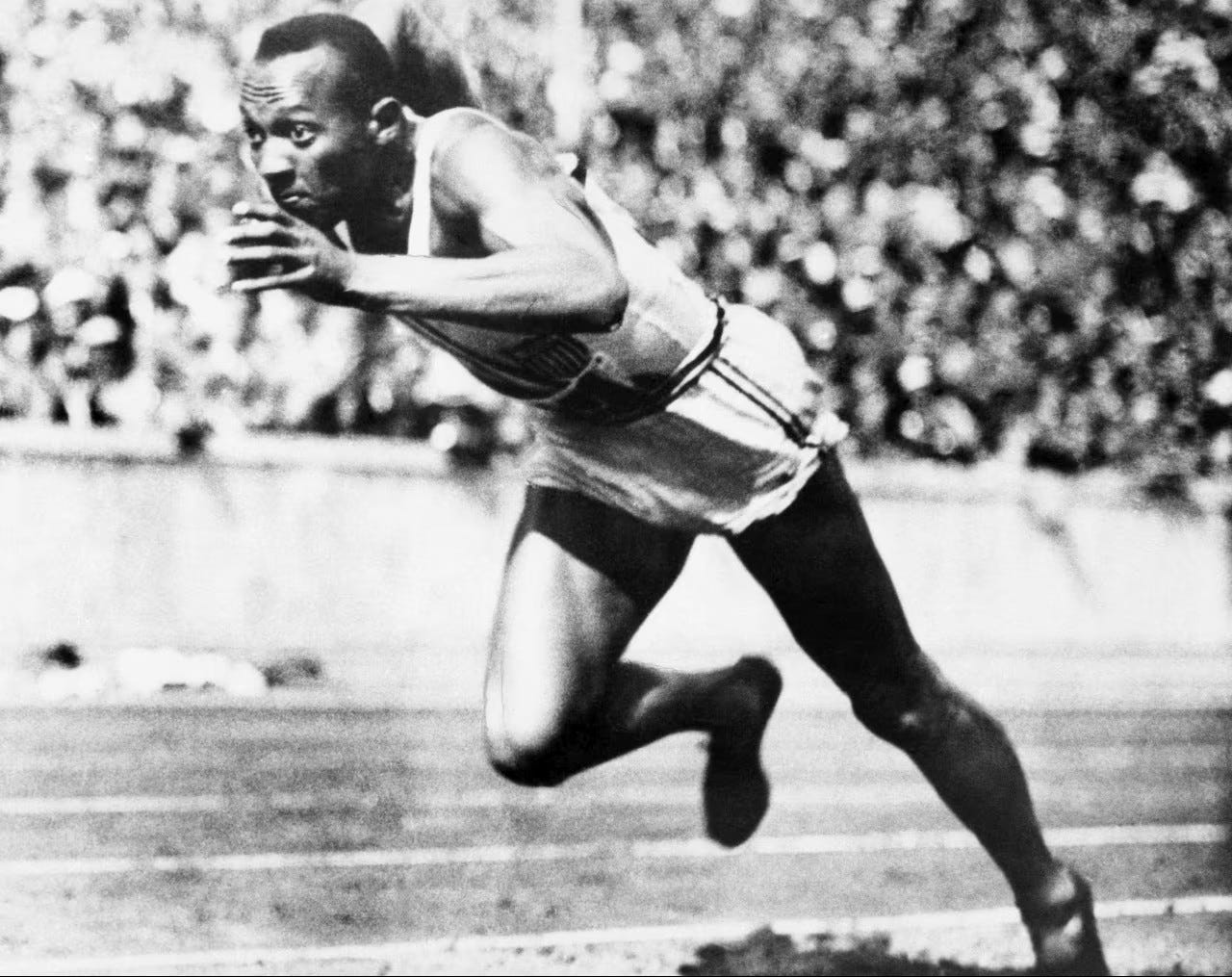
Jesse Owens at the 1936 Olympic Games in Berlin
These events didn’t change policy, but they changed mood—and mood shapes imagination.
Venezuela’s WBC win belongs to that lineage. It is a moment of affirmation in a time of strain, a reminder that nations are not only what happens to them, but also what they create together.