
Epigraph “To study history without studying the structures that shaped it is to mistake the shadow for the body.” — Unauthorised American proverb
An honest history of the United States cannot be told without a fair and complete explication of Critical Race Theory because CRT is not an ideological add‑on to the story; it is a vocabulary for naming the structural forces that shaped the nation from its inception. Without it, the historian is left describing symptoms without ever acknowledging the systems that produced them. A newsletter essay can say this plainly: the United States was built through laws, institutions, and cultural narratives that distributed power unevenly along racial lines, and CRT is simply the framework that makes those mechanisms visible.
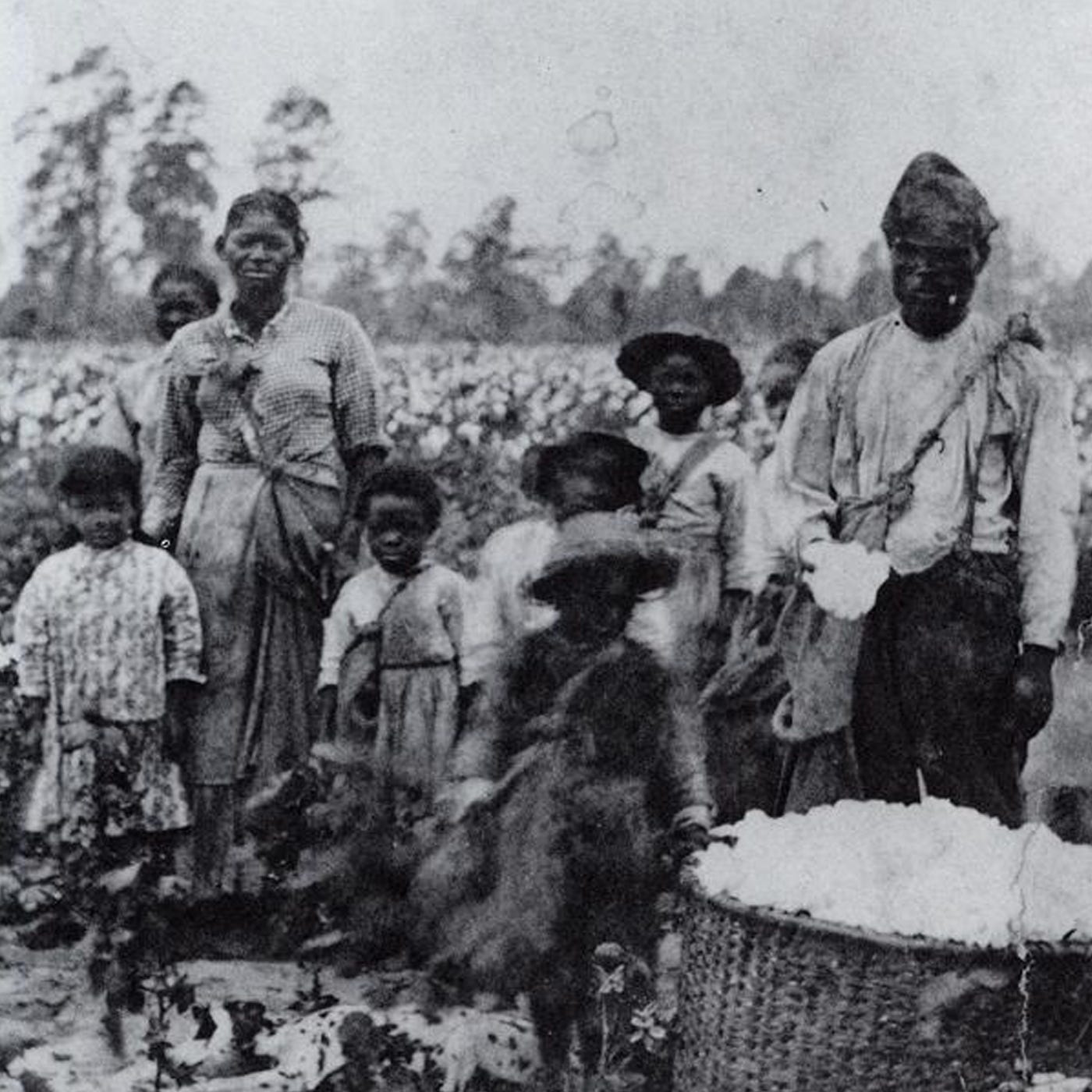
The story begins with the founding paradox: a republic devoted to liberty that simultaneously depended on racialized slavery. Traditional histories often treat this contradiction as an unfortunate backdrop, a moral flaw in otherwise heroic progress. CRT insists that it is not a backdrop at all but the engine of early American economic development, political compromise, and cultural identity. It shows how race was legally constructed—how courts, legislatures, and social institutions defined who counted as fully human, who could own property, who could testify, who could marry, who could learn, who could vote. Without this lens, the historian is forced into euphemism, describing “tensions,” “conflicts,” or “debates” where the real subject is the deliberate creation of racial hierarchy.
Critical Race Theory is often misrepresented as a political program, but its actual function is analytic: it names the legal, economic, and cultural mechanisms through which racial hierarchy was built and maintained in the United States. It does not tell historians what conclusions to reach; it tells them where to look. Without CRT, the historian is left describing isolated injustices rather than the system that produced them. With CRT, the record becomes legible: patterns of exclusion, cycles of progress and backlash, and the long afterlife of policy decisions that continue shaping American life. CRT is not an ideology added to history; it is the grammar that allows history to speak plainly.
As the nation expanded, CRT helps us understand that the frontier was not simply a stage for rugged individualism but a site of racialized policy: Indigenous removal, land seizure, and the legal invention of whiteness as a prerequisite for citizenship. The Civil War and Reconstruction, too, become unintelligible without CRT’s insight that progress is always met by backlash. The end of slavery did not end racial power; it reorganized it through Black Codes, convict leasing, and Jim Crow. CRT gives language to this pattern—what it calls “interest convergence”—the idea that racial progress in America has historically occurred only when it aligns with the interests of those already in power. This is not cynicism; it is a sober reading of the historical record.
The twentieth century continues the pattern. Redlining, segregated schools, exclusionary unions, and discriminatory GI Bill implementation were not accidents or isolated prejudices. They were policy choices that shaped wealth distribution, neighborhood formation, and educational opportunity for generations. CRT allows us to see these choices as part of a coherent system rather than a scattered collection of injustices. It explains why racial inequality persists even after the formal end of overtly racist laws: because structures, once built, do not vanish simply because the language around them changes.
Even the civil rights movement, often told as a triumphant narrative of moral awakening, becomes richer and more honest through CRT. It reveals how legal victories were constrained by courts that refused to confront systemic racism directly, preferring narrow remedies that left underlying structures intact. It shows how colorblind rhetoric emerged not as a neutral ideal but as a political strategy to halt deeper structural change.
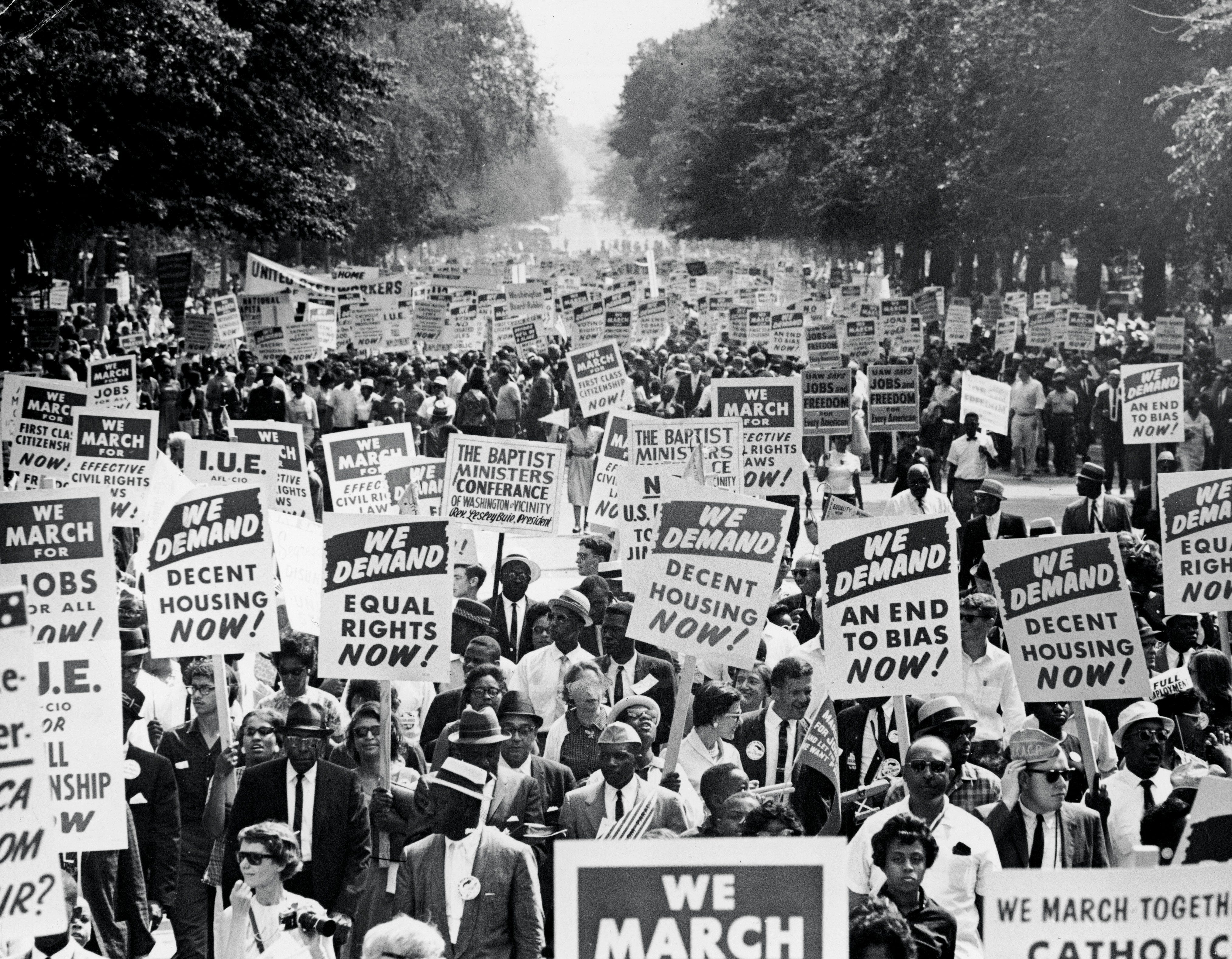
To omit CRT from the telling of American history is to pretend that race operated only at the level of personal prejudice rather than through law, policy, and institutional design. It is to describe the United States as a nation that occasionally stumbled rather than one that built racial hierarchy into its architecture. CRT does not replace traditional history; it completes it. It supplies the missing grammar for understanding how a country devoted to equality could produce such durable inequality.
A historian who refuses CRT is like a cartographer who refuses topography: they can draw a map, but it will be flat, misleading, and ultimately dishonest. The terrain of American history has contours—ridges of power, valleys of exclusion, fault lines of resistance—and CRT is simply the tool that lets us see them clearly.