Why Daytime Naps Matter More as We Age
Trueman–Triola Newsletter Draft
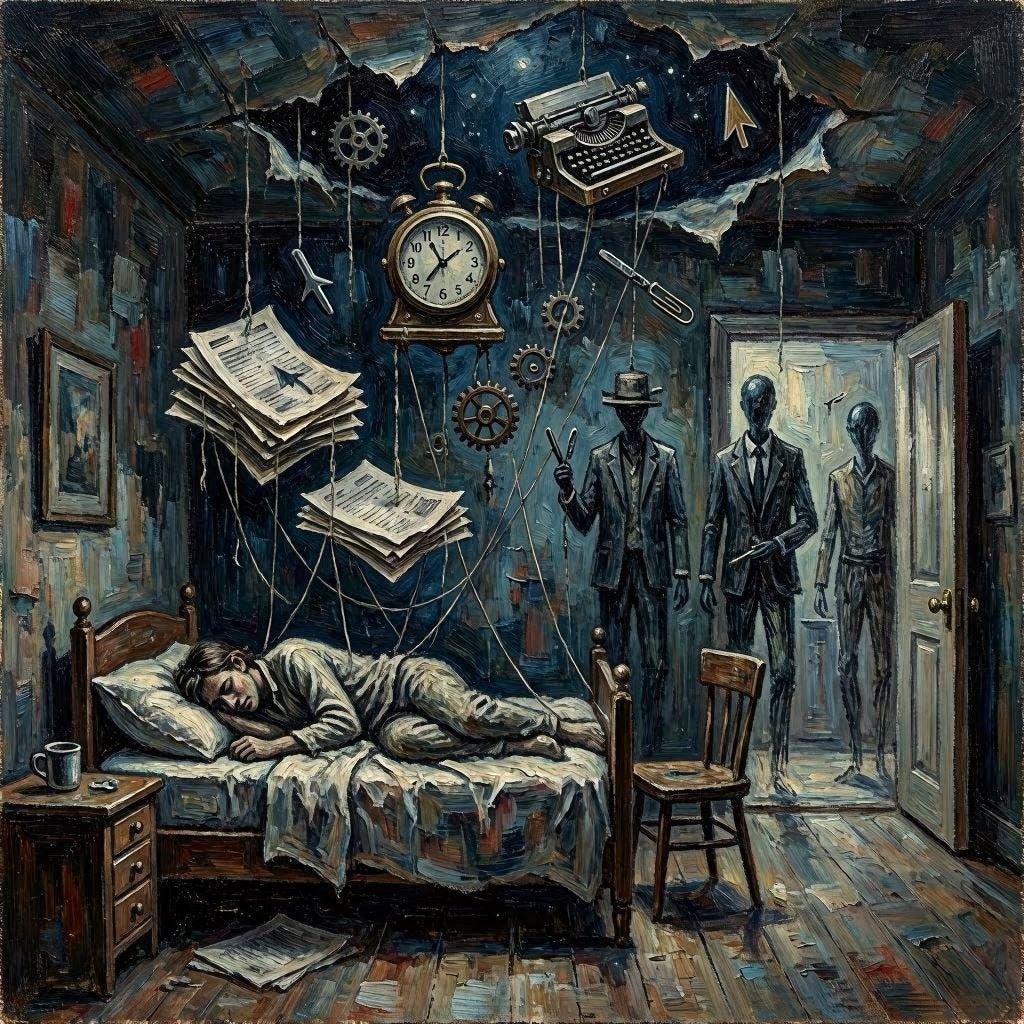
There comes a point in our seventies when the body quietly revises the terms of its agreement with us. What once felt like a single, unified day—morning rising into afternoon, afternoon tapering into evening—begins to split into two distinct arcs. The first carries a clarity that often surprises us; the second asks for gentleness, a slowing, a pause. And somewhere in that pause, the daytime nap appears, not as a luxury or a lapse in discipline, but as a new form of biological truth-telling.
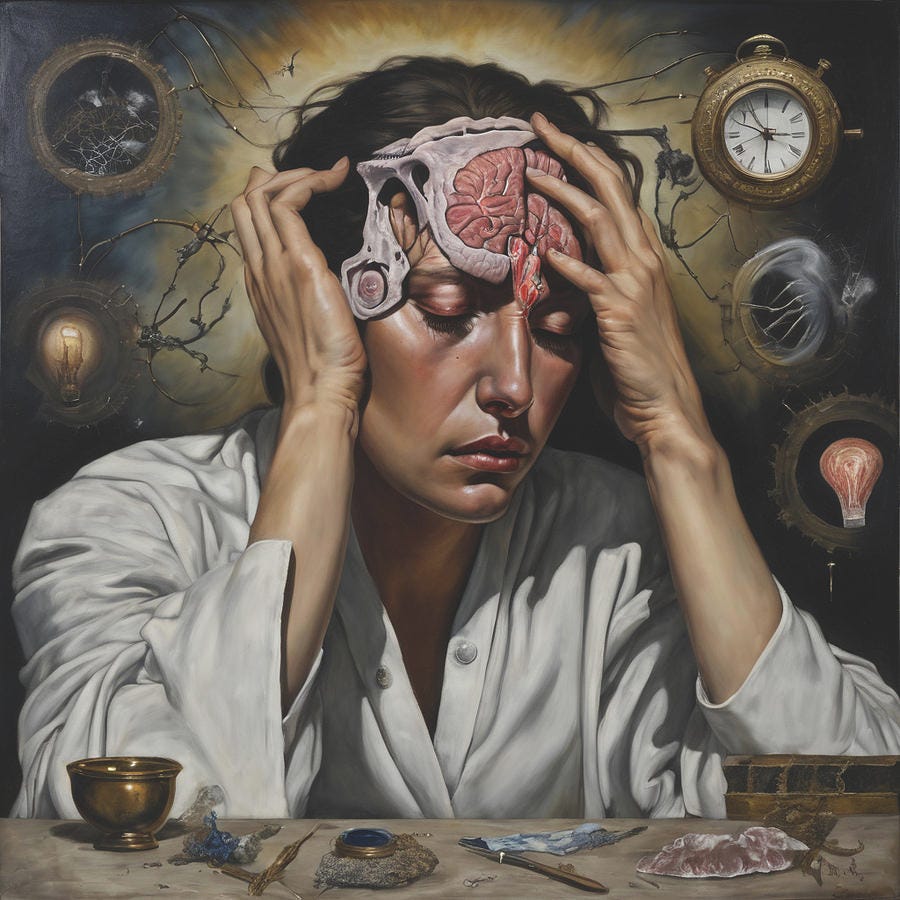
The aging brain no longer produces sleep in one long, consolidated stretch. Deep, restorative slow‑wave sleep becomes harder to generate at night, even when we want it, even when we’ve earned it. So the brain improvises. It redistributes the repair work across the full twenty‑four hours, slipping some of that restoration into the early afternoon. A nap becomes the second shift in a factory that can no longer run all its machinery at once.
Circadian rhythms shift as well. Melatonin arrives earlier in the evening; wakefulness arrives earlier in the morning; and the familiar post‑lunch dip deepens into something more like a gravitational pull. The day becomes bi‑modal, shaped like a wave rather than a straight line. The nap fits into this new architecture the way a tidepool fits the moon—naturally, rhythmically, without apology.
Energy itself becomes something we allocate rather than assume. Mitochondria slow down, muscles fatigue more quickly, and even thinking—real thinking, the kind that draws on memory, imagination, and emotional nuance—costs more than it used to. A nap is not a retreat from life but a way of redistributing finite energy toward what still matters. It is a refusal to perform vitality for others and an affirmation of presence for oneself.
There is also the emotional weight of late adulthood, a weight that is not purely sorrowful but undeniably dense. By seventy, we carry more memory, more grief, more meaning, more interiority than at any earlier point in life. The psyche needs intervals of quiet to metabolize all of that. A nap becomes a small sanctuary where the mind can process without being asked to push through.
And perhaps most beautifully, naps reconnect us to older cultural rhythms—Mediterranean afternoons, Latin American siestas, East Asian pauses—worlds in which rest is not a moral failure but a humane pacing of the day. American culture has long mistrusted rest, treating it as a sign of diminished ambition. But aging frees us from that suspicion. The nap becomes a gesture of wisdom, not weakness.
In the end, daytime sleep matters because aging reorganizes the entire architecture of attention, energy, and meaning. The nap is not an escape from life; it is a way of staying in life with clarity, steadiness, and dignity. It is the body’s quiet reminder that presence is not achieved by endurance but by rhythm.