
Arts Consideration Dept., Trueman–Triola Newsletter*
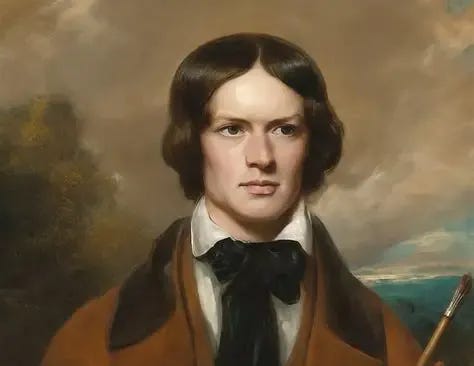
Epigraph “Some lives flare briefly, not for lack of fire, but for want of air.”
Branwell Brontë enters the family story like a spark thrown into dry grass—bright, promising, and watched with a kind of familial awe. In those early years at Haworth, he was the one the world pointed toward. The boy with the quick hand and quicker imagination, the one who drew portraits with a confidence his sisters admired and imitated. He was expected to rise, and the sisters—Charlotte, Emily, Anne—were expected to watch.
But the story of Branwell is the story of a slow eclipse. The promise remained, but the follow‑through faltered. He moved from ambition to ambition—painter, tutor, railway clerk—each one ending in a kind of collapse that seemed to bewilder even him. The sisters, meanwhile, were discovering the quiet, durable discipline that would carry them into literary history. They wrote in the margins of the household chaos, in the cold, in secret, while Branwell’s life began to unravel in full view.
His return home after the failed tutoring post marked the beginning of the long, dark season in the parsonage. His impossible love for his employer’s wife, his drinking, his nights stumbling back from the Black Bull Inn—these became the weather the sisters lived inside. And yet they did not turn away. They tended him, endured him, wrote around him. His suffering became part of the atmosphere in which Jane Eyre, Wuthering Heights, and Agnes Grey took shape.
There is something almost unbearably human in that. The sisters were not blind to his failures; they saw the wreckage clearly. But they also saw the boy he had been—the boy who once led them through the imaginary kingdoms of Angria and Gondal, where he was the hero and they were his co‑authors. They carried that memory like a fragile lantern through the dark.
When Branwell died in 1848 at thirty‑one, the official cause was chronic bronchitis, though everyone understood the deeper truth: his body had simply given out under the weight of addiction and despair. He died leaning on his father’s shoulder, as though even in his final moment he needed someone else to hold him upright. Within a year, Emily and Anne would follow him, as if the house itself had been mortally wounded by the long ordeal.
And yet Branwell’s life is not merely a cautionary tale. He is the tragic counterpoint that makes the sisters’ achievements more astonishing. He is the ghost in the parsonage, the shadow behind the masterpieces, the beloved and broken brother whose presence shaped the emotional landscape of three extraordinary women. His story is not separate from theirs; it is woven into the fabric of their courage, their sorrow, and their improbable bloom.
SIDEBAR: THE WEATHER INSIDE THE HOUSE The Brontë parsonage was not a quiet sanctuary of literary industry. It was a place of storms—emotional, financial, spiritual. Branwell’s decline created a pressure system the sisters had to navigate daily. Charlotte wrote with an ear tuned to his footsteps. Emily guarded him with a ferocity that bordered on the mythic. Anne, ever the moral observer, transmuted the experience into the ethical clarity of her fiction. Their novels are not responses to Branwell, but they are shaped by the climate he created: the volatility, the tenderness, the grief, the stubborn hope that someone you love might yet find their way back to themselves.
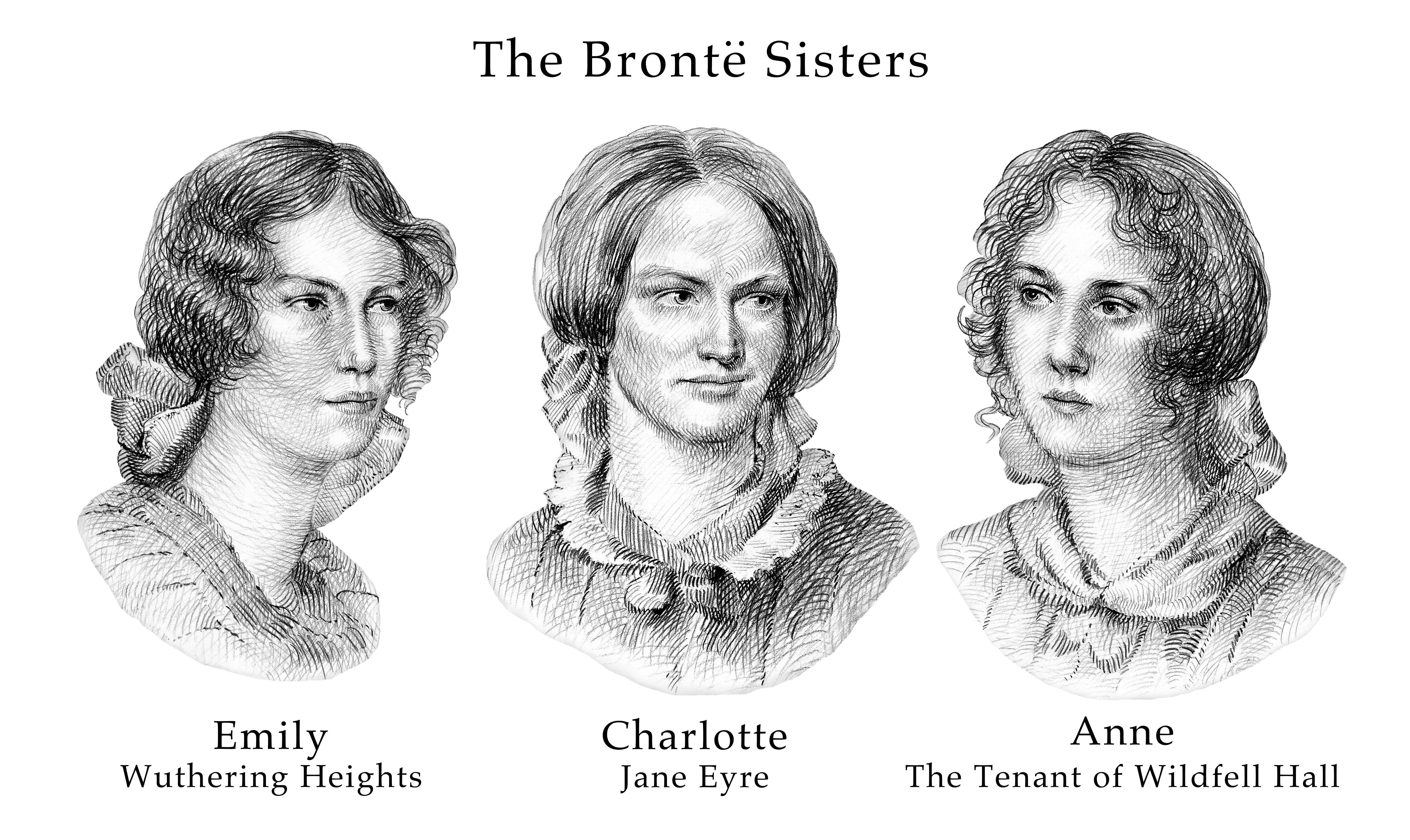
(2) Part 1: THE QUIET RADICALS AND THE LOST BROTHERS https://trueman-triola.stories.email/p/part-1-the-quiet-radicals-and-the
Part 2: Anne Brontë and George Harrison, the quiet radicals https://trueman-triola.stories.email/p/part-2-anne-bronte-and-george-harrison